
Catalogue Search | MBRL


Are you sure you want to remove the book from the shelf?

{{itemTitle}}
248
result(s) for
"Folklore Mexico"
Sort by:

Whiskers, tails & wings : animal folktales from Mexico
Retells animal folktales from five indigenous peoples of Mexico, and provides information on the culture of each indigenous people.
Book

El narcotraficante : narcocorridos and the construction of a cultural persona on the U.S.-Mexico border
Since the late 1970s, a new folk hero has risen to prominence in the U.S.–Mexico border region and beyond—the narcotrafficker. Celebrated in the narcocorrido, a current form of the traditional border song known as the corrido, narcotraffickers are often portrayed as larger-than-life “social bandits” who rise from poor or marginalized backgrounds to positions of power and wealth by operating outside the law and by living a life of excess, challenging authority (whether U.S. or Mexican), and flouting all risks, including death. This image, rooted in Mexican history, has been transformed and commodified by the music industry and by the drug trafficking industry itself into a potent and highly marketable product that has a broad appeal, particularly among those experiencing poverty and power disparities. At the same time, the transformation from folk hero to marketable product raises serious questions about characterizations of narcocorridos as “narratives of resistance.” This multilayered ethnography takes a wide-ranging look at the persona of the narcotrafficker and how it has been shaped by Mexican border culture, socioeconomic and power disparities, and the transnational music industry. Mark Edberg begins by analyzing how the narcocorrido emerged from and relates to the traditional corrido and its folk hero. Then, drawing upon interviews and participant-observation with corrido listening audiences in the border zone, as well as musicians and industry producers of narcocorridos, he elucidates how the persona of the narcotrafficker has been created, commodified, and enacted, and why this character resonates so strongly with people who are excluded from traditional power structures. Finally, he takes a look at the concept of the cultural persona itself and its role as both cultural representation and model for practice.
eBook


Ways of the Water
For Huastecan Nahuas, water is a symbolic reference. This book describes the multiple values attached to water through the practice of tale telling in this society. It analyzes several local tales about water manifestations such as floodings, thunderstorms, and waterlords, and explores what these mean to Huastecan Nahuas in their present socio-cultural context. The author shows how tales about this element represent and discuss current themes like the village's right to exist, social cohesion among villagers, the need to show respect towards nature, and life and death. The book reveals how the study of tale telling provides a promising angle to address and better understand today's indigenous cultures in Mexico.
eBook

Borreguita and the coyote : a tale from Ayutla, Mexico
A little lamb uses her clever wiles to keep a coyote from eating her up.
Book

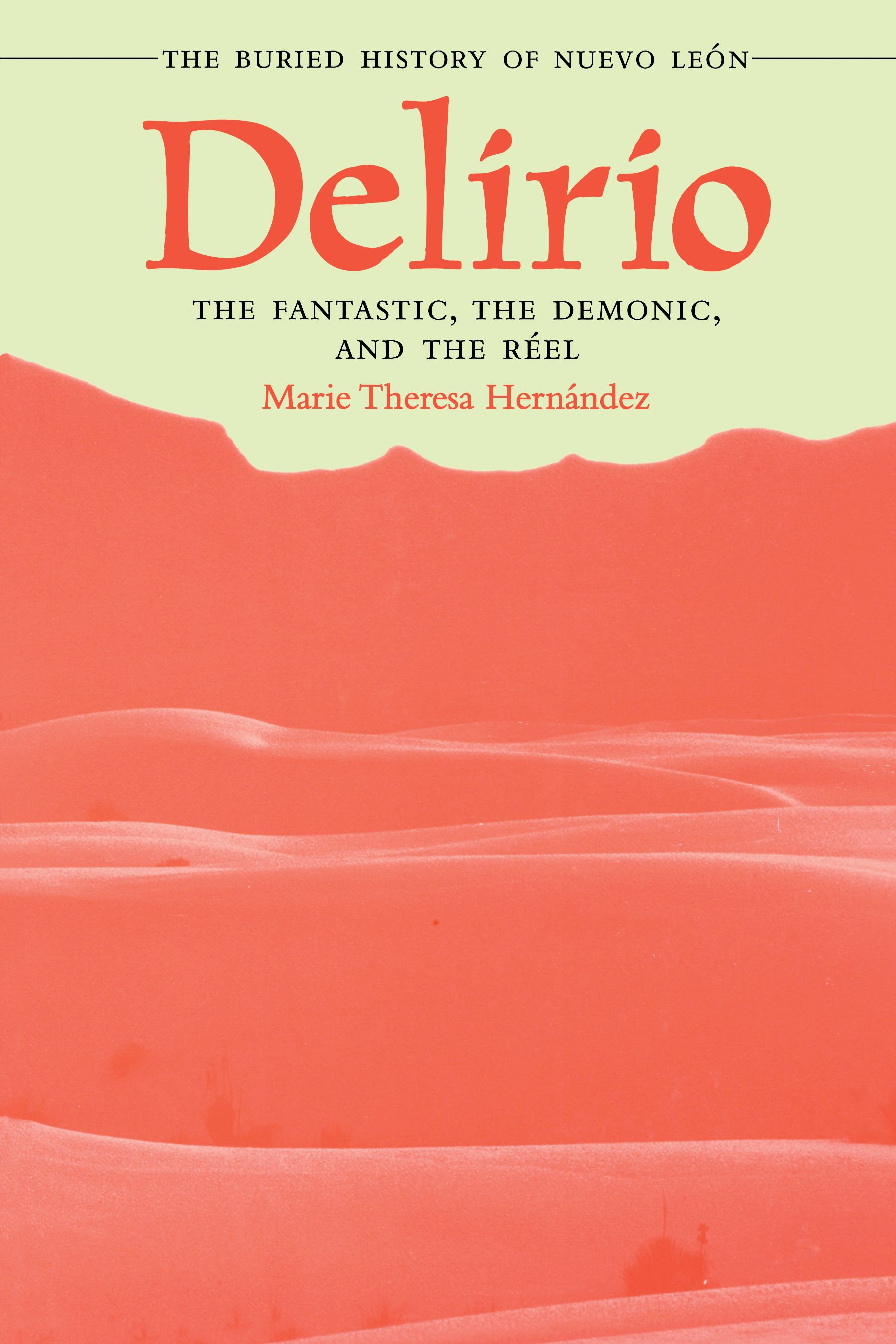
Delirio : the fantastic, the demonic, and the réel : the buried history of Nuevo León
Striking, inexplicable stories circulate among the people of Nuevo León in northern Mexico. Stories of conversos (converted Jews) who fled the Inquisition in Spain and became fabulously wealthy in Mexico. Stories of women and children buried in walls and under houses. Stories of an entire, secret city hidden under modern-day Monterrey. All these stories have no place or corroboration in the official histories of Nuevo León. In this pioneering ethnography, Marie Theresa Hernández explores how the folktales of Nuevo León encode aspects of Nuevolenese identity that have been lost, repressed, or fetishized in legitimate histories of the region. She focuses particularly on stories regarding three groups: the Sephardic Jews said to be the original settlers of the region, the disappeared indigenous population, and the supposed barbaric society that persists in modern Nuevo León. Hernández’s explorations into these stories uncover the region’s complicated history, as well as the problematic and often fascinating relationship between history and folklore, between officially accepted facts and fictions that many Nuevoleneses believe as truth.
eBook

The legend of the poinsettia
When Lucida is unable to finish her gift for the Baby Jesus in time for the Christmas procession, a miracle enables her to offer the beautiful flower we now call the poinsettia.

Juan the bear and the water of life = La acequia de Juan del Oso /
Although treated as outcasts, three superhuman friends, including Juan del Oso whose father was a bear, create an irrigation system for New Mexico's Mora Valley.
Book
