
Catalogue Search | MBRL


Are you sure you want to remove the book from the shelf?

{{itemTitle}}
503
result(s) for
"Folklore Study and teaching."
Sort by:


A Companion to Folklore
A Companion to Folklore contains an original and comprehensive set of essays from international experts in the field of folklore studies. This state-of-the-art collection uniquely displays the vitality of folklore research across the globe. The Companion covers four main areas: the first section engages with the practices and theoretical approaches developed to understand the phenomena of folklore; the second discusses the distinctive shapes that folklore studies have taken in different locations in time and space; the third examines the interaction of folklore with various media, as well as folklore's commoditization. In the final section on practice, essays offer insights into how folklorists work, what they do, and ways in which they have institutionalized their field. Throughout, contributors investigate the interplay of folklore and folkloristics in both academic and political arenas; they evaluate key issues in the folk life of communities from around the world, including China, post-communist Russia, post-colonial India, South America, Israel and Japan. The result is a unique reflection and understanding of the profoundly different research histories and current perspectives on international research in the field.
eBook

Chinese folklore studies today : discourse and practice
\"Folklorists are well acquainted with the work of their English-language colleagues, but until recently the same could not be said about American scholars' knowledge of Chinese folkloristics. Chinese Folklore Studies Today aims to address this knowledge gap by illustrating the dynamics of contemporary folklore studies in China as seen through the eyes of the up-and-coming generation of scholars\"--Provided by publisher.
Book
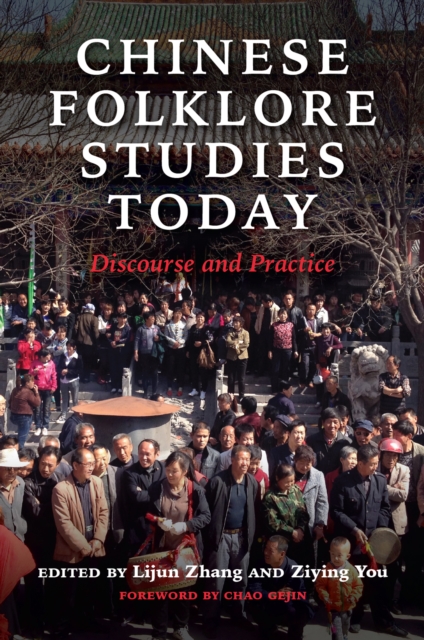
Chinese folklore studies today : discourse and practice
Chinese folklorists are well acquainted with the work of their English-language colleagues, but until recently the same could not be said about American scholars' knowledge of Chinese folkloristics. Chinese Folklore Studies Today aims to address this knowledge gap by illustrating the dynamics of contemporary folklore studies in China as seen through the eyes of the up-and-coming generation of scholars.
eBook

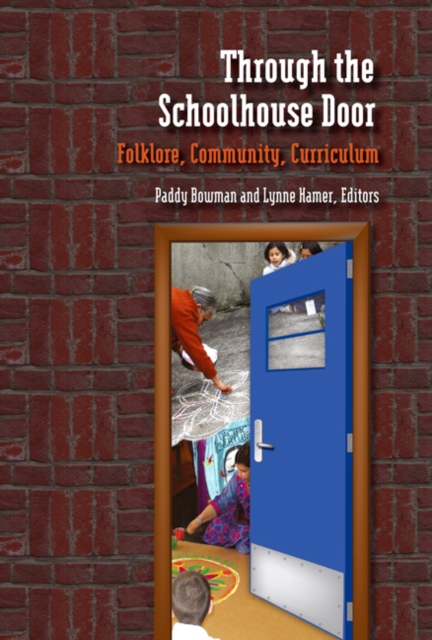
Through the schoolhouse door: folklore, community, curriculum
The creative traditions and expressive culture of students' families, neighborhoods, towns, religious communities, and peer groups provide opportunities to extend classrooms, sustain learning beyond school buildings, and better connect students and schools with their communities. Folklorists and educators have long worked together to expand curricula through engagement with local knowledge and informal cultural arts-folk arts in education is a familiar rubric for these programs-but the unrealized potential here, for both the folklore scholar and the teacher, is large. The value folklorists \"place on the local, the vernacular, and the aesthetics of daily life does not reverberate\" throughout public education, even though, in the words of Paddy Bowman and Lynne Hamer, \"connecting young people to family and community members and helping them to develop self-identity are vital to civic well-being and to school success.\"Through the Schoolhouse Door offers a collection of experiences from exemplary school programs and the analysis of an expert group of folklorists and educators who are dedicated not only to getting students out the door and into their communities to learn about the folk culture all around them but also to honoring the culture teachers and students bring to the classroom.
eBook


Unlearning
A provocative theoretical synthesis by renowned folklorist and
anthropologist Charles L. Briggs, Unlearning questions
intellectual foundations and charts new paths forward. Briggs
argues, through an expansive look back at his own influential works
as well as critical readings of the field, that scholars can
disrupt existing social and discourse theories across disciplines
when they collaborate with theorists whose insights are not
constrained by the bounds of scholarship. Eschewing narrow
Eurocentric modes of explanation and research foci, Briggs brings
together colonialism, health, media, and psychoanalysis to rethink
classic work on poetics and performance that revolutionized
linguistic anthropology, folkloristics, media studies,
communication, and other fields. Beginning with a candid memoir
that credits the mentors whose disconcerting insights prompted him
to upend existing scholarly approaches, Briggs combines his
childhood experiences in New Mexico with his work in graduate
school, his ethnography in Venezuela working with Indigenous
peoples, and his contemporary work-which is heavily weighted in
medical folklore. Unlearning offers students, emerging
scholars, and veteran researchers alike a guide for turning
ethnographic objects into provocations for transforming time-worn
theories and objects of analysis into sources of scholarly
creativity, deep personal engagement, and efforts to confront
unconscionable racial inequities. It will be of significant
interest to folklorists, anthropologists, and social theorists and
will stimulate conversations across these disciplines.
eBook

Folklore rules : a fun, quick, and useful introduction to the field of academic folklore studies
\"Folklore Rules is a brief introduction to the foundational concepts in folklore studies for beginning students. Designed to give essential background on the current study of folklore and some of the basic concepts and questions used when analyzing folklore, this short, coherent, and approachable handbook is divided into five chapters: What Is Folklore?; What Do Folklorists Do?; Things to Know about Folklore; Things to Know about Folk Groups; and, finally, What Do I Do Now? Through these chapters students are guided toward a working understanding of the field, learn basic terms and techniques, and learn to perceive the knowledge base and discourse frame for materials used in folklore courses. Folklore Rules will appeal to instructors and students for a variety of courses including introductory folklore and comparative studies as well as literature, anthropology, and composition classes that include a folklore component\"-- Provided by publisher.
Book

Through the Schoolhouse Door
The creative traditions and expressive culture of students' families, neighborhoods, towns, religious communities, and peer groups provide opportunities to extend classrooms, sustain learning beyond school buildings, and better connect students and schools with their communities. Folklorists and educators have long worked together to expand curricula through engagement with local knowledge and informal cultural arts-folk arts in education is a familiar rubric for these programs-but the unrealized potential here, for both the folklore scholar and the teacher, is large. The value folklorists \"place on the local, the vernacular, and the aesthetics of daily life does not reverberate\" throughout public education, even though, in the words of Paddy Bowman and Lynne Hamer, \"connecting young people to family and community members and helping them to develop self-identity are vital to civic well-being and to school success.\" Through the Schoolhouse Door offers a collection of experiences from exemplary school programs and the analysis of an expert group of folklorists and educators who are dedicated not only to getting students out the door and into their communities to learn about the folk culture all around them but also to honoring the culture teachers and students bring to the classroom.
eBook