
Catalogue Search | MBRL


Are you sure you want to remove the book from the shelf?

{{itemTitle}}
60
result(s) for
"Fort Snelling"
Sort by:

The Wages of History
Anyone who has encountered costumed workers at a living history museum may well have wondered what their jobs are like, churning butter or firing muskets while dressed in period clothing. In The Wages of History, Amy Tyson enters the world of the public history interpreters at Minnesota’s Historic Fort Snelling to investigate how they understand their roles and experience their daily work. Drawing on archival research, personal interviews, and participant observation, she reframes the current discourse on history museums by analyzing interpreters as laborers within the larger service and knowledge economies. Although many who are drawn to such work initially see it as a privilege—an opportunity to connect with the public in meaningful ways through the medium of history—the realities of the job almost inevitably alter that view. Not only do interpreters make considerable sacrifices, both emotional and financial, in order to pursue their work, but their sense of special status can lead them to avoid confronting troubling conditions on the job, at times fueling tensions in the workplace. This case study also offers insights—many drawn from the author’s seven years of working as an interpreter at Fort Snelling—into the way gendered roles and behaviors from the past play out among the workers, the importance of creative autonomy to historical interpreters, and the ways those on public history’s front lines both resist and embrace the site’s more difficult and painful histories relating to slavery and American Indian genocide.
eBook
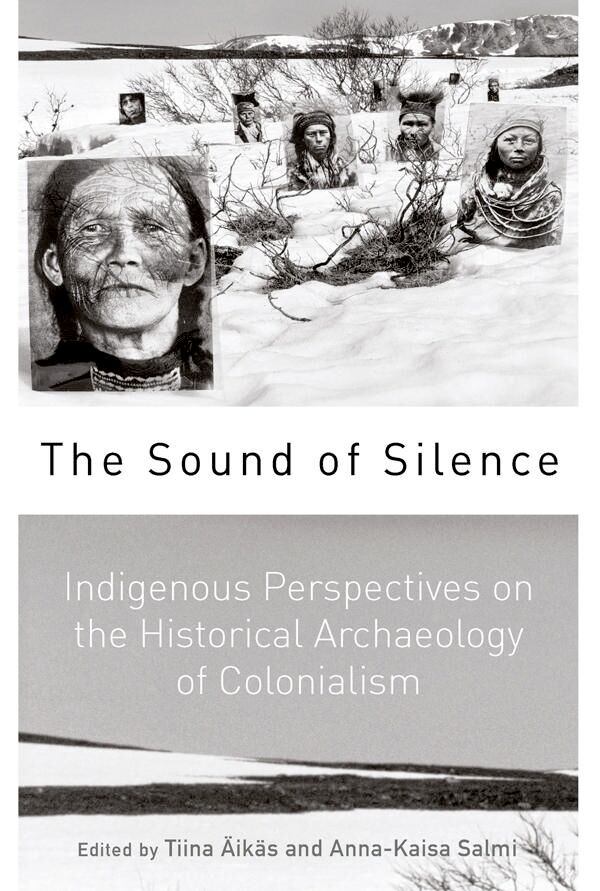
The Sound of Silence
Colonial encounters between indigenous peoples and European state powers are overarching themes in the historical archaeology of the modern era, and postcolonial historical archaeology has repeatedly emphasized the complex two-way nature of colonial encounters. This volume examines common trajectories in indigenous colonial histories, and explores new ways to understand cultural contact, hybridization and power relations between indigenous peoples and colonial powers from the indigenous point of view. By bringing together a wide geographical range and combining multiple sources such as oral histories, historical records, and contemporary discourses with archaeological data, the volume finds new multivocal interpretations of colonial histories.
eBook
Stories I didn't know
It’s a family reunion … what could go wrong? Plenty, as we soon learn when Rita Davern exposes an ugly reality at the heart of a family legend. Her family members have always been proud to say that their great grandparents once owned Pike Island, a beautiful piece of land at the confluence of the Minnesota and Mississippi rivers. But when Rita relates what happened to the people who lived there before, some family members react with understanding, others with arguments and anger. Rita’s attempts to understand what happened and why leads her on a journey that requires facing the complicated legacy of westward expansion in the U.S. Along the way she meets Ramona, a Dakota educator. What Ramona’s ancestors experienced because of U.S. government policies puts faces and names on this story. Rita listens and learns. She wants to find a way to put something right. We learn the value of finding and facing the past by watching her journey.
Streaming Video

What Is Queer Here?
This chapter presents different accounts of queerness in Minnesota after the U.S. Army established Fort Snelling near the Falls of St. Anthony, one of which is the sexuality of native “berdache”—men who make themselves women. Native Americans accorded berdaches a high status, along with men who became their sexual partners. The U.S government condemned this belief and did their best to extinguish any form of deviance from Judeo-Christian interpretations of sex and sexuality among Native people. They forcibly took children from their parents’homes, prohibited the use of Native languages, and criminalized gender nonconformity.
Book Chapter