
Catalogue Search | MBRL


Are you sure you want to remove the book from the shelf?

{{itemTitle}}
9,044
result(s) for
"Frail"
Sort by:

The effect of geriatric intervention in frail older patients receiving chemotherapy for colorectal cancer: a randomised trial (GERICO)
Background
Older patients with colorectal cancer (CRC) experience chemotherapy dose reductions or discontinuation. Comprehensive geriatric assessment (CGA) predicts survival and chemotherapy completion in patients with cancer, but the benefit of geriatric interventions remains unexplored.
Methods
The GERICO study is a randomised Phase 3 trial including patients ≥70 years receiving adjuvant or first-line palliative chemotherapy for CRC. Vulnerable patients (G8 questionnaire ≤14 points) were randomised 1:1 to CGA-based interventions or standard care, along with guideline-based chemotherapy. The primary outcome was chemotherapy completion without dose reductions or delays. Secondary outcomes were toxicity, survival and quality of life (QoL).
Results
Of 142 patients, 58% received adjuvant and 42% received first-line palliative chemotherapy. Interventions included medication changes (62%), nutritional therapy (51%) and physiotherapy (39%). More interventional patients completed scheduled chemotherapy compared with controls (45% vs. 28%,
P
= 0.0366). Severe toxicity occurred in 39% of controls and 28% of interventional patients (
P
= 0.156). QoL improved in interventional patients compared with controls with the decreased burden of illness (
P
= 0.048) and improved mobility (
P
= 0.008).
Conclusion
Geriatric interventions compared with standard care increased the number of older, vulnerable patients with CRC completing adjuvant chemotherapy, and may improve the burden of illness and mobility.
Trial registration
ClinicalTrials.gov ID: NCT 02748811.
Journal Article
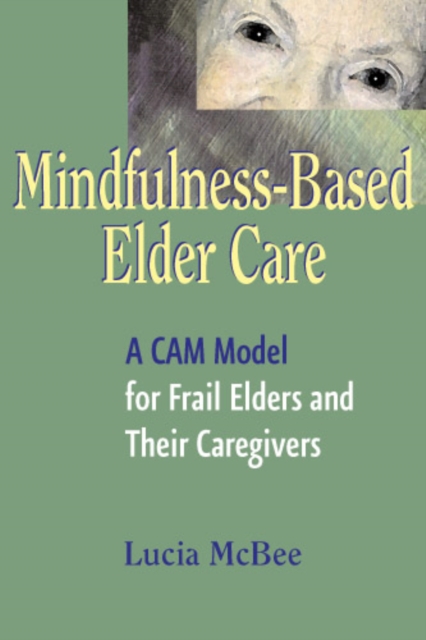
Mindfulness-based elder care
She shares with us her gold - the conception, trial and error implementation, and initial scientific investigation of a new, educationally-oriented treatment approach that she has named mindfulness-based elder care (MBEC).\" -from the Foreword by Saki Santorelli, EdD, MA, Associate Professor of Medicine, Executive Director, Center for Mindfulness in Medicine, Health Care, and Society University of Massachusetts Medical School Drawing on years of experience as a geriatric social worker and mindfulness-based stress reduction practitioner, the author has taken Jon Kabat-Zinn's Mindfulness-Based Stress Reduction program and adapted it to the particular needs of elders, their families, and professional caregivers. Mindfulness practices focus on abilities, rather than disabilities, in order to provide paths to the inner strengths and resources that we all possess. McBee's Mindfulness-Based Elder Care conveys the benefits of mindfulness through meditation, gentle yoga, massage, aromatherapy, humor, and other creative therapies to this special population. She provides clear, concise instructions for her program, as well as a wealth of anecdotal and experiential exercises, to help readers at all levels of experience. Hers is the first book to fully explore the value of mindfulness models for frail elders and their caregivers.
eBook

Impact of Exercise and Cognitive Stimulation Therapy on Physical Function, Cognition and Muscle Mass in Pre-Frail Older Adults in the Primary Care Setting: A Cluster Randomized Controlled Trial
Multicomponent exercise program have shown to improve function and cognition in older adults but studies on pre-frail older adults in the primary care setting are limited. This study aimed i) to evaluate impact of 6 months exercise (Ex) versus complementary effect of 3 months of cognitive stimulation therapy (CST) to 6 months of Ex (Ex+CST) on physical function, muscle mass and cognition versus control group at 3, 6 and 12 months ii) inflammatory biomarkers such as Interleukin-6 (IL-6) and Tumor Necrosis Factor Alpha (TNF-α).
Cluster randomised control trial.
Pre-frail older adults ≥ 65 years attending primary care clinic. Two intervention groups i) Ex 6 months ii) CST 3 months with Ex 6 months.
At 0, 3, 6 and 12 months, questionnaires (on demographics, physical function, cognition, and depression) were administered and physical function assessment (gait speed, short physical performance battery (SPPB) test, handgrip strength, five times sit-to-stand (5x-STS)) was conducted. Muscle mass and its surrogates such as phase angle and body cell mass were measured using bioelectrical impedance analysis machine. Inflammatory biomarkers were measured at 0 and 3 months.
Data from 190 participants was analysed at 3 months (111 control, 37 Ex and 41 Ex+CST). At 3 months, significant improvement in cognition was seen only in the Ex+CST group whereas improvements in depression, gait speed, SPPB and 5x-STS were seen in both the Ex and Ex+CST groups. At 6 months, the Ex+CST group improved in cognition and depression whereas improvement in frailty and muscle mass indices were seen in both the interventions groups. At 12 months, both the interventions groups had better perceived health, gait speed and less decline in muscle mass compared with control groups. Both the Ex and Ex+CST had significant association with TNF-α at 3 months (β −2.71 (95% CI −4.80–−0.62); p = 0.012 and β −1.74 (95% CI −3.43–−0.06); p = 0.043 respectively).
Combined Ex+CST had significant improvement in cognition whereas the intervention groups improved in depression, physical function, muscle mass, frailty, perceived health and TNF-α levels. With growing evidence of the benefits of multicomponent interventions at primary care level, incorporating it into mainstream care with action plans on long-term sustainability and scalability should be a priority for every country.
Journal Article

Vitamin D Supplementation Associated to Better Survival in Hospitalized Frail Elderly COVID-19 Patients: The GERIA-COVID Quasi-Experimental Study
Background. The objective of this quasi-experimental study was to determine whether bolus vitamin D supplementation taken either regularly over the preceding year or after the diagnosis of COVID-19 was effective in improving survival among hospitalized frail elderly COVID-19 patients. Methods. Seventy-seven patients consecutively hospitalized for COVID-19 in a geriatric unit were included. Intervention groups were participants regularly supplemented with vitamin D over the preceding year (Group 1), and those supplemented with vitamin D after COVID-19 diagnosis (Group 2). The comparator group involved participants having received no vitamin D supplements (Group 3). Outcomes were 14-day mortality and highest (worst) score on the ordinal scale for clinical improvement (OSCI) measured during COVID-19 acute phase. Potential confounders were age, gender, functional abilities, undernutrition, cancer, hypertension, cardiomyopathy, glycated hemoglobin, number of acute health issues at admission, hospital use of antibiotics, corticosteroids, and pharmacological treatments of respiratory disorders. Results. The three groups (n = 77; mean ± SD, 88 ± 5 years; 49% women) were similar at baseline (except for woman proportion, p = 0.02), as were the treatments used for COVID-19. In Group 1 (n = 29), 93.1% of COVID-19 participants survived at day 14, compared to 81.2% survivors in Group 2 (n = 16) (p = 0.33) and 68.7% survivors in Group 3 (n = 32) (p = 0.02). While considering Group 3 as reference (hazard ratio (HR) = 1), the fully-adjusted HR for 14-day mortality was HR = 0.07 (p = 0.017) for Group 1 and HR = 0.37 (p = 0.28) for Group 2. Group 1 had longer survival time than Group 3 (log-rank p = 0.015), although there was no difference between Groups 2 and 3 (log-rank p = 0.32). Group 1, but not Group 2 (p = 0.40), was associated with lower risk of OSCI score ≥5 compared to Group 3 (odds ratio = 0.08, p = 0.03). Conclusions. Regular bolus vitamin D supplementation was associated with less severe COVID-19 and better survival in frail elderly.
Journal Article

Frailty and Clinical Outcomes in Chronic Obstructive Pulmonary Disease
Abstract
Rationale
Frailty represents an increased vulnerability to adverse health outcomes. The frailty phenotype conceptual model (three or more patient attributes of wasting, exhaustion, low activity, slowness, and weakness) is associated with increased morbidity and mortality in geriatric populations.
Objectives
Our objective was to describe the risks associated with frailty in patients with chronic obstructive pulmonary disease.
Methods
Data from the National Emphysema Treatment Trial (NETT) were retrospectively analyzed. The frailty phenotype conceptual model was operationalized as three or more frailty parameters (a body mass index decrease of ≥5% over 12 months, self-reported exhaustion, low 6-minute walk distance, or physical activity or respiratory muscle strength in the lowest quartile). Frail participants were compared with participants with two or fewer frailty parameters. Participants were followed starting 12 months after NETT randomization (to minimize surgical effect) for 24 months. Univariate, multivariate, Kaplan-Meier, and Cox proportional hazard analyses were performed, adjusting for treatment arm, age, modified Medical Research Council dyspnea scale, sex, and baseline forced expiratory volume in 1 second (FEV1). Multiple imputation was used for missing values.
Results
The participants (N = 902) were predominantly white (94.5%) males (59.5%), with a median age of 67 years (interquartile range, 63–70 yr) and a median FEV1% predicted of 26 (interquartile range, 20–33). Six percent of the participants (95% confidence interval [CI], 4.5 to 7.6) were frail. The incidence rate of frailty was 6.4 per 100 person-years. Frail participants reported significantly worse disease-specific and overall quality of life by St. George’s Respiratory Questionnaire total score (mean difference of 11.6; 95% CI, 7.6 to 15.6; P < 0.001), mental composite on Medical Outcomes Survey Short Form-36 (mean difference −6.8; 95% CI, −10.0 to −3.6; P < 0.001), and physical composite scores on Medical Outcomes Survey Short Form-36 (mean difference −16.7; 95% CI, −21.3 to −12.1; P = 0.001). Frail participants had an increased rate of hospitalization (adjusted hazard ratio, 1.6; 95% CI, 1.1 to 2.5; P = 0.02) and an adjusted increase in hospital use of 8.0 days (95% CI, 4.4 to 11.6; P < 0.001) compared with nonfrail participants. Frail participants had a higher mortality rate (adjusted hazard ratio, 1.4; 95% CI, 0.97 to 2.0; P = 0.07).
Conclusions
Among adults with chronic obstructive pulmonary disease, our measure of frailty (modified from the Fried frailty phenotype) was associated with incident and longer-duration hospitalization, and with poor quality of life.
Journal Article

Effects of Virtual Reality Motor-Cognitive Training for Older People With Cognitive Frailty: Multicentered Randomized Controlled Trial
Cognitive frailty refers to a clinical syndrome in which physical frailty and mild cognitive impairment coexist. Motor-cognitive training and virtual reality (VR) have been used to launch various therapeutic modalities to promote health in older people. The literature advocates that motor-cognitive training and VR are effective in promoting the cognitive and physical function of older people. However, the effects on older people with cognitive frailty are unclear.
This study examined the effects of VR motor-cognitive training (VRMCT) on global cognitive function, physical frailty, walking speed, visual short-term memory, inhibition of cognitive interference, and executive function in older people with cognitive frailty.
This study used a multicentered, assessor-blinded, 2-parallel-group randomized controlled trial design. Participants were recruited face-to-face in 8 older adult community centers. Eligible participants were aged ≥60 years, were community dwelling, lived with cognitive frailty, had no dementia, and were not mobility restricted. In the intervention group, participants received VRMCT led by interventionists with 16 one-hour training sessions delivered twice per week for 8 weeks. In the control group, participants received the usual care provided by the older adult community centers that the investigators did not interfere with. The primary outcome was global cognitive function. The secondary outcomes included physical frailty, walking speed, verbal short-term memory, inhibition of cognitive interference, and executive function. Data were collected at baseline (T0) and the week after the intervention (T1). Generalized estimating equations were used to examine the group, time, and interaction (time × group) effects on the outcomes.
In total, 293 eligible participants enrolled in the study. The mean age of the participants was 74.5 (SD 6.8) years. Most participants were female (229/293, 78.2%), had completed primary education (152/293, 52.1%), were married (167/293, 57.2%), lived with friends (127/293, 43.3%), and had no VR experience (232/293, 79.5%). In the intervention group, 81.6% (119/146) of participants attended >80% (13/16, 81%) of the total number of sessions. A negligible number of participants experienced VR sickness symptoms (1/146, 0.7% to 5/146, 3%). VRMCT was effective in promoting global cognitive function (interaction effect: P=.03), marginally promoting executive function (interaction effect: P=.07), and reducing frailty (interaction effect: P=.03). The effects were not statistically significant on other outcomes.
VRMCT is effective in promoting cognitive functions and reducing physical frailty and is well tolerated and accepted by older people with cognitive frailty, as evidenced by its high attendance rate and negligible VR sickness symptoms. Further studies should examine the efficacy of the intervention components (eg, VR vs non-VR or dual task vs single task) on health outcomes, the effect of using technology on intervention adherence, and the long-term effects of the intervention on older people with cognitive frailty at the level of daily living.
ClinicalTrials.gov NCT04730817; https://clinicaltrials.gov/study/NCT04730817.
Journal Article

Identification of community-dwelling older adults at risk of frailty using the PERSSILAA screening pathway: a methodological guide and results of a large-scale deployment in the Netherlands
Background
Among community-dwelling older adults, frailty is highly prevalent and recognized as a major public health concern. To prevent frailty it is important to identify those at risk of becoming frail, but at present, no accepted screening procedure is available.
Methods
The screening process developed as part of the PERSSILAA project is a two-step screening pathway. First, older adults are asked to complete a self-screening questionnaire to assess their general health status and their level of decline on physical, cognitive and nutritional domains. Second, older adults who, according to step one, are at risk of becoming frail, are invited for a face-to-face assessment focusing on the domains in depth. We deployed the PERSSILAA screening procedure in primary care in the Netherlands.
Results
In total, baseline data were available for 3777 community-dwelling older adults (mean age 69.9 (SD ± 3.8)) who completed first step screening. Based on predefined cut-off scores, 16.8% of the sample were classified as frail (
n
= 634), 20.6% as pre-frail (
n
= 777), and 62.3% as robust (
n
= 2353). Frail subjects were referred back to their GP without going through the second step. Of the pre-frail older adults, 69.7% had evidence of functional decline on the physical domain, 67% were overweight or obese and 31.0% had evidence of cognitive decline.
Conclusion
Pre-frailty is common among community-dwelling older adults. The PERSSILAA screening approach is a multi-factor, two-step screening process, potentially useful for primary prevention to identify those at risk of frailty and who will benefit most from preventive strategies.
Journal Article


A multifactorial interdisciplinary intervention reduces frailty in older people: randomized trial
Background
Frailty is a well known and accepted term to clinicians working with older people. The study aim was to determine whether an intervention could reduce frailty and improve mobility.
Methods
We conducted a single center, randomized, controlled trial among older people who were frail in Sydney, Australia. One group received an intervention targeting the identified characteristics of frailty, whereas the comparison group received the usual health care and support services. Outcomes were assessed by raters masked to treatment allocation at 3 and 12 months after study entry. The primary outcomes were frailty as assessed by the Cardiovascular Health Study criteria, and mobility as assessed by the Short Physical Performance Battery. Secondary outcome measures included disability, depressive symptoms and health-related quality of life.
Results
A total of 216 participants (90%) completed the study. Overall, 68% of participants were women and the mean age was 83.3 years (standard deviation, 5.9). In the intention-to-treat analysis, the between-group difference in frailty was 14.7% at 12 months (95% confidence interval: 2.4%, 27.0%;
P
= 0.02). The score on the Short Physical Performance Battery, in which higher scores indicate better physical status, was stable in the intervention group and had declined in the control group; with the mean difference between groups being 1.44 (95% confidence interval, 0.80, 2.07;
P <
0.001) at 12 months. There were no major differences between the groups with respect to secondary outcomes. The few adverse events that occurred were exercise-associated musculoskeletal symptoms.
Conclusions
Frailty and mobility disability can be successfully treated using an interdisciplinary multifaceted treatment program.
Trial registration
Australia and New Zealand Clinical Trials Register (ANZCTR):
ACTRN12608000250336
Journal Article

The impact of frailty on survival in elderly intensive care patients with COVID-19: the COVIP study
Background
The COVID-19 pandemic has led highly developed healthcare systems to the brink of collapse due to the large numbers of patients being admitted into hospitals. One of the potential prognostic indicators in patients with COVID-19 is frailty. The degree of frailty could be used to assist both the triage into intensive care, and decisions regarding treatment limitations. Our study sought to determine the interaction of frailty and age in elderly COVID-19 ICU patients.
Methods
A prospective multicentre study of COVID-19 patients ≥ 70 years admitted to intensive care in 138 ICUs from 28 countries was conducted. The primary endpoint was 30-day mortality. Frailty was assessed using the clinical frailty scale. Additionally, comorbidities, management strategies and treatment limitations were recorded.
Results
The study included 1346 patients (28% female) with a median age of 75 years (IQR 72–78, range 70–96), 16.3% were older than 80 years, and 21% of the patients were frail. The overall survival at 30 days was 59% (95% CI 56–62), with 66% (63–69) in fit, 53% (47–61) in vulnerable and 41% (35–47) in frail patients (
p
< 0.001). In frail patients, there was no difference in 30-day survival between different age categories. Frailty was linked to an increased use of treatment limitations and less use of mechanical ventilation. In a model controlling for age, disease severity, sex, treatment limitations and comorbidities, frailty was independently associated with lower survival.
Conclusion
Frailty provides relevant prognostic information in elderly COVID-19 patients in addition to age and comorbidities.
Trial registration
Clinicaltrials.gov:
NCT04321265
, registered 19 March 2020.
Journal Article