
Catalogue Search | MBRL


Are you sure you want to remove the book from the shelf?

{{itemTitle}}
679,549
result(s) for
"Garden."
Sort by:

Backyard heroes
Takes a look at several types of common animals that can be found in a backyard.
Book

Gardens of Renaissance Europe and the Islamic empires : encounters and confluences
The cross-cultural exchange of ideas that flourished in the Mediterranean during the sixteenth and seventeenth centuries profoundly affected European and Islamic society. Gardens of Renaissance Europe and the Islamic Empires considers the role and place of gardens and landscapes in the broader context of the information sharing that took place among Europeans and Islamic empires in Turkey, Persia, and India.
In illustrating commonalities in the design, development, and people's perceptions of gardens and nature in both regions, this volume substantiates important parallels in the revolutionary advancements in landscape architecture that took place during the era. The contributors explain how the exchange of gardeners as well as horticultural and irrigation techniques influenced design traditions in the two cultures; examine concurrent shifts in garden and urban landscape design, such as the move toward more public functionality; and explore the mutually influential effects of politics, economics, and culture on composed outdoor space. In doing so, they shed light on the complexity of cultures and politics during the Renaissance.
A thoughtfully composed look at the effects of cross-cultural exchange on garden design during a pivotal time in world history, this thought-provoking book points to new areas in inquiry about the influences, confluences, and connections between European and Islamic garden traditions.
In addition to the editor, the contributors include Cristina Castel-Branco, Paula Henderson, Simone M. Kaiser, Ebba Koch, Christopher Pastore, Laurent Paya, D. Fairchild Ruggles, Jill Sinclair, and Anatole Tchikine.
eBook


Marie-Antoinette's Legacy
Challenging the established historiography that frames the French picturesque garden movement as an international style, this book contends that the French picturesque gardens from 1775 until 1867 functioned as liminal zones at the epicenter of court patronage systems.
eBook


The Monster in the Garden
Monsters, grotesque creatures, and giants were frequently depicted in Italian Renaissance landscape design, yet they have rarely been studied. Their ubiquity indicates that gardens of the period conveyed darker, more disturbing themes than has been acknowledged.In The Monster in the Garden, Luke Morgan argues that the monster is a key figure in Renaissance culture. Monsters were ciphers for contemporary anxieties about normative social life and identity. Drawing on sixteenth-century medical, legal, and scientific texts, as well as recent scholarship on monstrosity, abnormality, and difference in early modern Europe, he considers the garden within a broader framework of inquiry. Developing a new conceptual model of Renaissance landscape design, Morgan argues that the presence of monsters was not incidental but an essential feature of the experience of gardens.
eBook

Friends to die for
A group of friends living in London's Covent Garden are subjected to the whims of a dangerous prankster. At first, whilst disturbing, the tricks are funny. But as they continue, they become more serious and violent, until finally someone lies dead. As the remaining friends struggle to manage their grief and identify the culprit, suspicion soon falls close to home and secrets kept furtively hidden are brought to light. Alliances are formed, and the once-cosy group begins to turn on each other. Could one of them really be capable of murder?
Book
‘Octopus garden’ is a popular site for mollusk mating
Thousands of octopuses congregate in an “octopus garden” off the central California coast, where thermal springs increase offspring survival.
Streaming Video
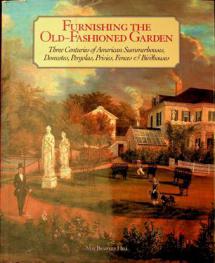

Follies in America
Follies in America examines
historicized garden buildings, known as \"follies,\" from the
nation's founding through the American centennial celebration in
1876. In a period of increasing nationalism, follies-such
as temples, summerhouses, towers, and ruins-brought a range of
European architectural styles to the United States. By imprinting
the land with symbols of European culture, landscape gardeners
brought their idea of civilization to the American wilderness.
Kerry Dean Carso's interdisciplinary approach in Follies in
America examines both buildings and their counterparts in
literature and art, demonstrating that follies provide a window
into major themes in nineteenth-century American culture, including
tensions between Jeffersonian agrarianism and urban life, the
ascendancy of middle-class tourism, and gentility and social class
aspirations.
eBook