
Catalogue Search | MBRL


Are you sure you want to remove the book from the shelf?

{{itemTitle}}
985
result(s) for
"Generalized estimating equations"
Sort by:

Introduction to general and generalized linear models
Providing a flexible framework for data analysis and model building, this text focuses on the statistical methods and models that can help predict the expected value of an outcome, dependent, or response variable. It offers a sound introduction to general and generalized linear models using the popular and powerful likelihood techniques. The authors enable a clear comparison between general and generalized linear models and cover Gaussian-based hierarchical models and hierarchical generalized linear models. They illustrate the methods with many real-world examples and use R throughout to solve the problems. Ancillaries are available on the book's website.
eBook

Novel Application of Cultured Epithelial Autografts (CEA) with Expanded Mesh Skin Grafting Over an Artificial Dermis or Dermal Wound Bed Preparation
Cultured epithelial autografts (CEA) with highly expanded mesh skin grafts were used for extensive adult burns covering more than 30% of the total body surface area. A prospective study on eight patients assessed subjective and objective findings up to a 12-month follow-up. The results of wound healing for over 1:6 mesh plus CEA, gap 1:6 mesh plus CEA, and 1:3 mesh were compared at 3, 6, and 12 months using extensibility, viscoelasticity, color, and transepidermal water loss by a generalized estimating equation (GEE) or generalized linear mixed model (GLMM). No significant differences were observed among the paired treatments at any time point. At 6 and 12 months, over 1:6 mesh plus CEA achieved significantly better expert evaluation scores by the Vancouver and Manchester Scar Scales (p < 0.01). Extended skin grafting plus CEA minimizes donor resources and the quality of scars is equal or similar to that with conventional low extended mesh slit-thickness skin grafting such as 1:3 mesh. A longitudinal analysis of scars may further clarify the molecular changes of scar formation and pathogenesis.
Journal Article

Association between multimorbidity trajectories and incident disability among mid to older age adults: China Health and Retirement Longitudinal Study
Background
Although multimorbidity is a risk factor for disability, the relationship between the accumulative patterns of multimorbidity and disability remains poorly understood. The objective of this study was to identify the latent groups of multimorbidity trajectories among mid to older age adults and to examine their associations with incident disability.
Methods
We included 5,548 participants aged ≥ 45 years who participated in the China Health and Retirement Longitudinal Study from 2011 to 2018 and had no multimorbidity (≥ 2 chronic conditions) at baseline. The group-based multi-trajectory modeling was used to identify distinct trajectory groups of multimorbidity based on the latent dimensions underlying 13 chronic conditions. The association between multimorbidity trajectories and incident disability was analyzed using the generalized estimating equation model adjusting for potential confounders.
Results
Of the 5,548 participants included in the current analysis, 2,407 (43.39%) developed multimorbidity during the follow-up. Among participants with new-onset multimorbidity, four trajectory groups were identified according to the combination of newly diagnosed diseases: “Cardiometabolic” (
N
= 821, 34.11%), “Digestive-arthritic” (
N
= 753, 31.28%), “Cardiometabolic/Brain” (
N
= 618, 25.68%), and “Respiratory” (
N
= 215, 8.93%). Compared to participants who did not develop multimorbidity, the risk of incident disability was most significantly increased in the “Cardiometabolic/Brain” trajectory group (OR = 2.05, 95% CI: 1.55–2.70), followed by the “Cardiometabolic” (OR = 1.96, 95% CI: 1.52 –2.53) and “Digestive-arthritic” (OR = 1.70, 95% CI: 1.31–2.20) trajectory groups.
Conclusions
The growing burden of multimorbidity, especially the comorbid of cardiometabolic and brain diseases, may be associated with a significantly increased risk of disability for mid to older age adults. These findings improve our understanding of multimorbidity patterns that affect the independence of living and inform the development of strategies for the primary prevention of disability.
Journal Article

Drinking Water Management: Health Risk Perceptions and Choices in First Nations and Non-First Nations Communities in Canada
The relationship between tap water and health has been a topic of public concern and calls for better management in Canada since well-publicized contamination events in two provinces (Ontario and Saskatchewan) in 2000–2001. This study reports the perspectives on health risks from tap water and corresponding use of, and spending on, bottled water in a number of different communities in Canada. In 2009–2010, four First Nations communities (three from Ontario and one from Saskatchewan) and a geographically diverse sample of non-First Nations Canadians were surveyed about their beliefs concerning health risks from tap water and their spending practices for bottled water as a substitute. Responses to five identical questions were examined, revealing that survey respondents from Ontario First Nations communities were more likely than non-First Nations Canadians to believe bottled water is safer than tap water (OR 1.6); more likely to report someone became ill from tap water (OR 3.6); more likely to express water and health concerns related to tap water consumption (OR 2.4); and more likely to spend more on bottled water (OR 4.9). On the other hand, participants from one Saskatchewan First Nations community were less likely than non-First Nations Canadians to believe that someone had become ill from drinking tap water (OR 3.8), less likely to believe bottled water is safer than tap (OR 2.0), and less likely to have health concerns with tap water (OR 1.5). These differences, however, did not translate into differences in the likelihood of high bottled water expenditures or being a 100% bottled water consumer. The paper discusses how the differences observed may be related to water supply and regulation, trust, perceived control, cultural background, location, and past experience.
Journal Article

Group penalized generalized estimating equation for correlated event-related potentials and biomarker selection
Background
Event-related potentials (ERP) data are widely used in brain studies that measure brain responses to specific stimuli using electroencephalogram (EEG) with multiple electrodes. Previous ERP data analyses haven’t accounted for the structured correlation among observations in ERP data from multiple electrodes, and therefore ignored the electrode-specific information and variation among the electrodes on the scalp. Our objective was to evaluate the impact of early adversity on brain connectivity by identifying risk factors and early-stage biomarkers associated with the ERP responses while properly accounting for structured correlation.
Methods
In this study, we extend a penalized generalized estimating equation (PGEE) method to accommodate structured correlation of ERPs that accounts for electrode-specific data and to enable group selection, such that grouped covariates can be evaluated together for their association with brain development in a birth cohort of urban-dwelling Bangladeshi children. The primary ERP responses of interest in our study are N290 amplitude and the difference in N290 amplitude.
Results
The selected early-stage biomarkers associated with the N290 responses are representatives of enteric inflammation (days of diarrhea, MIP1b, retinol binding protein (RBP), Zinc, myeloperoxidase (MPO), calprotectin, and neopterin), systemic inflammation (IL-5, IL-10, ferritin, C Reactive Protein (CRP)), socioeconomic status (household expenditure), maternal health (mother height) and sanitation (water treatment).
Conclusions
Our proposed group penalized GEE estimator with structured correlation matrix can properly model the complex ERP data and simultaneously identify informative biomarkers associated with such brain connectivity. The selected early-stage biomarkers offer a potential explanation for the adversity of neurocognitive development in low-income countries and facilitate early identification of infants at risk, as well as potential pathways for intervention.
Trial registration
The related clinical study was retrospectively registered with
https://doi.org/ClinicalTrials.gov
, identifier NCT01375647, on June 3, 2011.
Journal Article

Longitudinal Study on the Association between Ambient Polycyclic Aromatic Hydrocarbons and Nasal Symptoms in Adult Japanese
The relationship between exposure to polycyclic aromatic hydrocarbons and nasal symptoms currently remains unclear. Therefore, we herein examine this relationship in 51 adults living in Ishikawa prefecture, Japan, and conducted a 2 month follow-up survey on these participants. All participants were asked to record daily nasal symptoms in an allergy diary during the study period between 1 April to 31 May 2020. We collected air pollutant samples during the study period and determined the concentrations of PAHs and total suspended particulates by high-performance liquid chromatography. Sulfur dioxide and nitrogen dioxide concentrations were obtained through the Atmospheric Environmental Regional Observation System. We used generalized estimating equations to analyze the association between pollutant and nasal symptoms. After adjustment for confounding factors, the B values of fluoranthene, pyrene, and Benzo[k]fluoranthene were 2.389 (p = 0.026), 3.744 (p = 0.022) and 9.604 (p = 0.041), respectively, with a one-day lag. In contrast, the B value of indeno[1,2,3-cd]pyrene was −6.664 (p = 0.013) with no lag. Collectively, these results suggest ambient PAHs such as Flt, Pyr, and BkF were associated with nasal symptoms in adults. Further studies are needed to elucidate the mechanisms contributing to the relationships between specific PAHs and nasal symptoms.
Journal Article

A general framework for updating belief distributions
We propose a framework for general Bayesian inference. We argue that a valid update of a prior belief distribution to a posterior can be made for parameters which are connected to observations through a loss function rather than the traditional likelihood function, which is recovered as a special case. Modern application areas make it increasingly challenging for Bayesians to attempt to model the true data-generating mechanism. For instance, when the object of interest is low dimensional, such as a mean or median, it is cumbersome to have to achieve this via a complete model for the whole data distribution. More importantly, there are settings where the parameter of interest does not directly index a family of density functions and thus the Bayesian approach to learning about such parameters is currently regarded as problematic. Our framework uses loss functions to connect information in the data to functionals of interest. The updating of beliefs then follows from a decision theoretic approach involving cumulative loss functions. Importantly, the procedure coincides with Bayesian updating when a true likelihood is known yet provides coherent subjective inference in much more general settings. Connections to other inference frameworks are highlighted.
Journal Article

Sample Size Determination for GEE Analyses of Stepped Wedge Cluster Randomized Trials
In stepped wedge cluster randomized trials, intact clusters of individuals switch from control to intervention from a randomly assigned period onwards. Such trials are becoming increasingly popular in health services research. When a closed cohort is recruited from each cluster for longitudinal follow-up, proper sample size calculation should account for three distinct types of intraclass correlations: the within-period, the inter-period, and the within-individual correlations. Setting the latter two correlation parameters to be equal accommodates cross-sectional designs. We propose sample size procedures for continuous and binary responses within the framework of generalized estimating equations that employ a block exchangeable within-cluster correlation structure defined from the distinct correlation types. For continuous responses, we show that the intraclass correlations affect power only through two eigenvalues of the correlation matrix. We demonstrate that analytical power agrees well with simulated power for as few as eight clusters, when data are analyzed using bias-corrected estimating equations for the correlation parameters concurrently with a bias-corrected sandwich variance estimator.
Journal Article
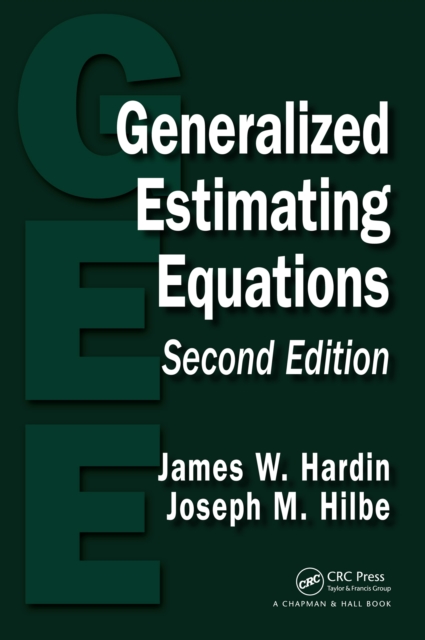
Generalized Estimating Equations
This second edition of a bestseller incorporates comments and suggestions from a variety of sources, including the Statistics.com course on longitudinal and panel models taught by the authors. Along with doubling the number of end-of-chapter exercises, this edition offers more thorough coverage of hypothesis testing and diagnostics, expands discussion of various models associated with GEE, and provides a new presentation of model selection procedures. Numerous examples are employed throughout the text, along with the software code used to create, run, and evaluate the models being examined.
eBook

Tracking Dietary Patterns over 20 Years from Childhood through Adolescence into Young Adulthood: The Saskatchewan Pediatric Bone Mineral Accrual Study
Dietary patterns established during adolescence might play a role in adulthood disease. We examined the stability of dietary patterns (DPs) from childhood through adolescence and into young adulthood (from age 8 to 34 years). Data from 130 participants (53 females) of Saskatchewan Pediatric Bone Mineral Accrual Study (aged 8–15 years, at baseline) were included. Multiple 24-h recalls were collected annually from 1991 to 1997, 2002 to 2005, and 2010 and 2011. Using principal component analysis, “Vegetarian-style”, “Western-like”, “High-fat, high-protein”, “Mixed”, and “Snack” DPs were derived at baseline. Applied DP scores for all annual measurements were calculated using factor loading of baseline DPs and energy-adjusted food group intakes. We analyzed data using generalized estimating equations. The tracking coefficient represents correlation between baseline dietary pattern scores and all other follow-up dietary pattern scores. We found a moderate tracking for the “Vegetarian-style” (β = 0.44, p < 0.001) and “High-fat, high-protein” (β = 0.39, p < 0.001) DPs in females and “Vegetarian-style” DP (β = 0.30, p < 0.001) in males. The remaining DPs showed poor-to-fair tracking in both sexes. No tracking for “Western-like” DP in females was observed. Assessing overall change in DP scores from childhood to young adulthood showed an increasing trend in adherence to “Vegetarian-style” DP and decreasing trend in adherence to “High-fat, high-protein” DP by age in both sexes (p < 0.001), while “Western-like” and “Mixed” DP scores increased only in males (p < 0.001). These findings suggest that healthy dietary habits established during childhood and adolescence moderately continue into adulthood.
Journal Article