
Catalogue Search | MBRL


Are you sure you want to remove the book from the shelf?

{{itemTitle}}
5
result(s) for
"Generational trauma Canada."
Sort by:

Killing the Wittigo : Indigenous culture-based approaches to waking up, taking action, and doing the work of healing : a book for young adults
\"A powerful book that uses plain language to talk about colonial trauma and transformational change. History. Identity. Lateral Violence. Complex Trauma. Who are we and how are we seen? How do we learn what safety is when we've never experienced it? Killing the Wittigo talks about the effects of colonization and the healing work being done by young Indigenous people toward individual and systemic change, through song lyrics and first-person accounts of their own journeys of decolonization and healing. Sexual Abuse. Relationships. Kindness and Kinship. Are your relationships harmful or healthy? What do healthy families look like? Killing the Wittigo shatters the isolation and shame to talk about everything from managing triggers to what young people are asking of their parents and their leadership. Abandonment. Dis-Ease. Reconnection. Change. How do you turn distressing feelings into emotions that you can understand? How does making sense of your stories help you gain choice and control? From market capitalism and food security to community hubs and sustainable development goals, Killing the Wittigo has everything a young person needs to move from surviving to thriving. Killing the Wittigo offers: Reflection questions to anchor/reframe life experiences. Mindfulness activities to help readers center themselves in the present, develop self-awareness, and create new patterns of behaviour. Activities and exercises to support meaning making and change. Full of bold graphics, Killing the Wittigo is a much-needed resource for young Indigenous people and those who work in the helping professions.\" -- Back cover.
Book

The Education of Augie Merasty
\"Heartbreaking and important… brings into dramatic focus why we need reconciliation.\" - James Daschuk, author of Clearing the Plains This memoir offers a courageous and intimate chronicle of life in a residential school. Now a retired fisherman and trapper, the author was one of an estimated 150,000 First Nations, Inuit, and Metis children who were taken from their families and sent to government-funded, church-run schools, where they were subject to a policy of \"aggressive assimilation.\" As Augie Merasty recounts, these schools did more than attempt o mold children in the ways of white society. They were taught to be ashamed of their native heritage and, as he experienced, often suffered physical and sexual abuse. But even as he looks back on this painful part of his childhood, Merasty's sense of humour and warm voice shine through.
eBook
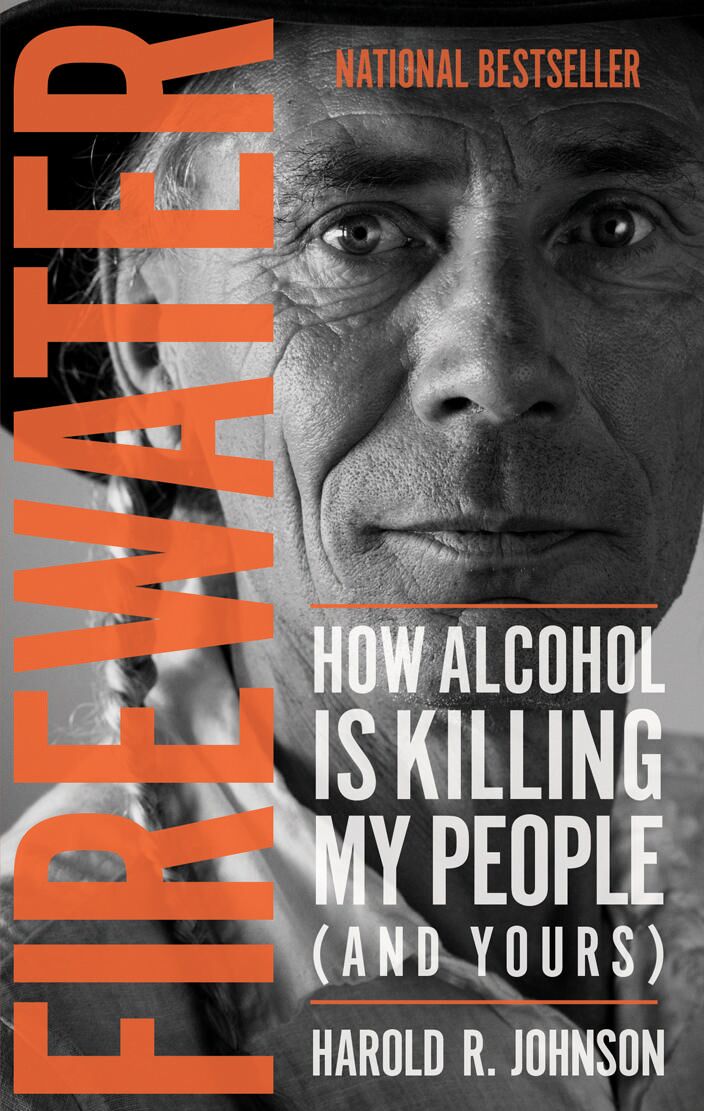
Firewater
Drawing on his years of experience as a Crown Prosecutor in Treaty 6 territory, Harold Johnson challenges readers to change the story we tell ourselves about the drink that goes by many names─booze, hooch, spirits, sauce, and the evocative \"firewater.\" Confronting the harmful stereotype of the \"lazy, drunken Indian,\" and rejecting medical, social and psychological explanations of the roots of alcoholism, Johnson cries out for solutions, not diagnoses, and shows how alcoholism continues to kill so many. Provocative, irreverent, and keenly aware of the power of stories, Firewater calls for people to make decisions about their communities and their lives on their own terms.
eBook
Food is my teacher
In Tammara’s first documentary, Food is My Teacher, she delves into the pains of the past, including her own harrowing experience dealing with an eating disorder, to showcase how food can heal communities, body and spirit. This is Tammara's first experience in creating a documentary. She co-wrote and co-directed Food is My Teacher with award-winning filmmaker Brandy Yanchyk, who also produced the film. They travelled across Alberta and British Columbia on a quest to learn how food is healing within different communities.
Streaming Video
Our Fires Still Burn: The Native American Experience
This exciting and compelling one hour documentary invites viewers into the lives of contemporary Native American role models living in the U.S. Midwest. It dispels the myth that American Indians have disappeared from the American horizon, and reveals how they continue to persist, heal from the past, confront the challenges of today, keep their culture alive, and make great contributions to society. Their experiences will deeply touch both Natives and non-Natives and help build bridges of understanding, respect, and communication. The tragic history of Native Americans is considered by many to be our 'American Holocaust.' This can be seen in the history of the Boarding School Era, during which time Native children were forcibly removed from their homes and placed into boarding schools. Interviewees explain how this past trauma continues to negatively impact their emotional and physical health today and contribute to urgent social problems. To help heal this historical trauma, Native Americans are reclaiming their spiritual and cultural identity. In the documentary, an Ojibwa Firekeeper demonstrates the ancient healing ceremony of the Sacred Fire. Also, a Native American businessman, journalist, artist and youth advocate share how they use ancestral teachings to foster diversity and creativity as well as to educate and initiate social change. The stories shared in this documentary are powerful, startling, despairing and inspiring. They reflect an American history fraught with the systematic destruction of a people. Yet, amidst the debris of suffering and trauma, there is resilience and a profound remembering and healing taking place today, which will also benefit the next Seven Generations. The stories shared in Our Fires Still Burn: The Native American Experience are powerful, startling, despairing and inspiring. They reflect an American history fraught with the systematic destruction of a people. Yet, amidst the debris of suffering and trauma, there is resilience and a profound remembering and healing taking place today, which will also benefit the next Seven Generations.
Streaming Video