
Catalogue Search | MBRL


Are you sure you want to remove the book from the shelf?

{{itemTitle}}
231
result(s) for
"German diaries."
Sort by:

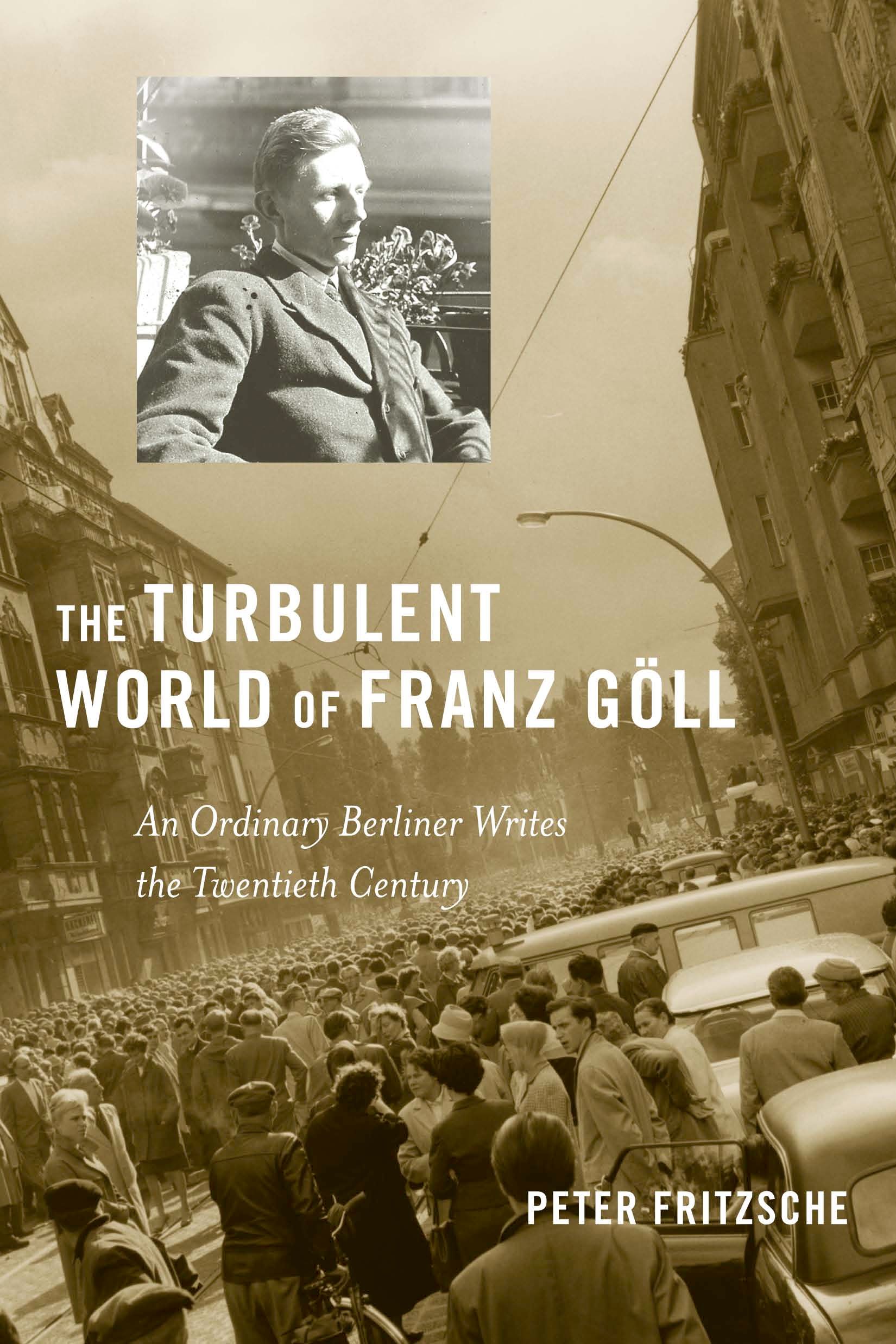
The turbulent world of Franz Göll : an ordinary Berliner writes the twentieth century
Franz Göll was a thoroughly typical Berliner. He worked as a clerk, sometimes as a postal employee, night watchman, or publisher's assistant. He enjoyed the movies, ate spice cake, wore a fedora, tamed sparrows, and drank beer or schnapps. He lived his entire life in a two-room apartment in Rote Insel, Berlin's famous working-class district. What makes Franz Göll different is that he left behind one of the most comprehensive diaries available from the maelstrom of twentieth-century German life. Deftly weaving in Göll's voice from his diary entries, Fritzsche narrates the quest of an ordinary citizen to make sense of a violent and bewildering century. Peter Fritzsche paints a deeply affecting portrait of a self-educated man seized by an untamable impulse to record, who stayed put for nearly seventy years as history thundered around him. Determined to compose a \"symphony\" from the music of everyday life, Göll wrote of hungry winters during World War I, the bombing of Berlin, the rape of his neighbors by Russian soldiers in World War II, and the flexing of U.S. superpower during the Reagan years. In his early entries, Göll grappled with the intellectual shockwaves cast by Darwin, Freud, and Einstein, and later he struggled to engage with the strange lifestyles that marked Germany's transition to a fluid, dynamic, unmistakably modern society. With expert analysis, Fritzsche shows how one man's thoughts and desires can give poignant shape to the collective experience of twentieth-century life, registering its manifold shocks and rendering them legible.
eBook
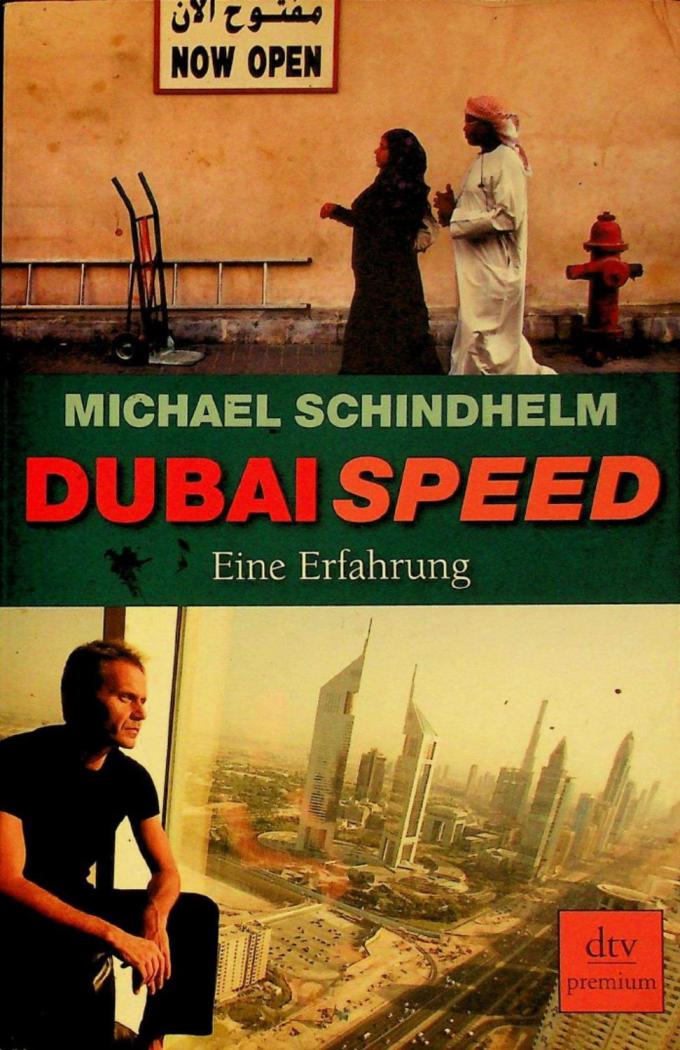

The Turbulent World of Franz Goll
Fritzsche traces twentieth-century history through the remarkable diaries of an ordinary Berliner. Franz Göll wrote of hungry winters during WWI, the Berlin bombing, rapes by Russian soldiers, shockwaves cast by Darwin, Freud, and Einstein, the flexing of U.S. superpower, and the strange lifestyles that marked Germany's transition to modernity.
eBook

Partisan Diary
This book is both diary and memoir. From the German entry into Turin on 10 September 1943 to the liberation of the city on 28 April 1945, Gobetti recorded an almost daily account of events, sentiments, and personalities, in a cryptic English only she could understand. Italian senator and philosopher Benedetto Croce encouraged Ada to convert her notes into a book. Published by Giulio Einaudi editore in 1956, it won the Premio Prato, an annual prize for a work inspired by the Italian Resistance (Resistenza). From a political and military point of view, the Partisan Diary provides firsthand knowledge of how the partisans in Piedmont fought, what obstacles they encountered, and who joined the struggle against the Nazis and the Fascists. The mountainous terrain and long winters of the Alpine regions (the site of many of their battles) and the ever-present threat of reprisals by German occupiers and their fascist partners exacerbated problems of organization among the various partisan groups. So arduous was their fight, that key military events—Italy's declaration of war on Germany, the fall of Rome, and the Allied landings on D-Day—appear in the diary as remote and almost unrelated incidents. Ada Gobetti writes of the heartbreak of mothers who lost their sons or watched them leave on dangerous missions of sabotage, relating it to worries about her own son Paolo. She reflects on the relationship between anti-fascist thought of the 1920s, in particular the ideas of her husband, Piero Gobetti, and the Italian resistance movement (Resistenza) in which she and her son were participating. While the Resistenza represented a culmination of more than twenty years of anti-fascist activity for Ada, it also helped illuminate the exceptional talents, needs, and rights of Italian women, more than one hundred thousand of whom participated.
eBook


Kafka and photography
Franz Kafka was fascinated by photography, a medium which for him came to encapsulate both the attractions and the pitfalls of modern life. In the first detailed study of photography in Kafka's work, Carolin Duttlinger gives close readings of the most important prose works, as well as the letters and diaries.
eBook

The whiskey merchant's diary : an urban life in the emerging Midwest
Intro -- contents -- Illustrations -- Maps -- Preface -- Introduction -- Editorial notes -- Chronology of Joseph J. Mersman's Life -- Maps -- Pedigrees -- Prologue: Two Immigrant Families and Their Start in America -- 1 / Jenkins's Boarding House -- 2 / Theater and Circus -- 3 / Music and Dancing -- 4 / The Miami and Erie Canal -- 5 / Cigars and Saloons -- 6 / In Charge of the Store -- 7 / Mosher's Boarding House -- 8 / Farewell to Cincinnati -- 9 / Starting in St. Louis -- 10 / Seeking a Cure -- 11 / Courtship and Marriage -- 12 / Settling Down -- Epilogue / The Rest of the Story -- Acknowledgments -- Appendix -- Annotated list of persons, places, and businesses -- Sources cited -- Index.
eBook