
Catalogue Search | MBRL


Are you sure you want to remove the book from the shelf?

{{itemTitle}}
99
result(s) for
"Germany Relations Pacific Area."
Sort by:

Explorations and entanglements : Germans in Pacific Worlds from the early modern period to World War I
\"Traditionally, Germany has been considered a minor player in Pacific history: its presence there was more limited than that of other European nations, and whereas its European rivals established themselves as imperial forces beginning in the early modern era, Germany did not seriously pursue colonialism until the nineteenth century. Yet thanks to recent advances in the field emphasizing transoceanic networks and cultural encounters, it is now possible to develop a more nuanced understanding of the history of Germans in the Pacific. The studies gathered here offer fascinating case studies of German missionary, commercial, scientific, and imperial activity against the backdrop of the Pacific's overlapping cultural circuits and complex oceanic transits\"-- Provided by publisher.
Book

Explorations and Entanglements
Traditionally, Germany has been considered a minor player in Pacific history: its presence there was more limited than that of other European nations, and whereas its European rivals established themselves as imperial forces beginning in the early modern era, Germany did not seriously pursue colonialism until the nineteenth century. Yet thanks to recent advances in the field emphasizing transoceanic networks and cultural encounters, it is now possible to develop a more nuanced understanding of the history of Germans in the Pacific. The studies gathered here offer fascinating research into German missionary, commercial, scientific, and imperial activity against the backdrop of the Pacific's overlapping cultural circuits and complex oceanic transits.
eBook
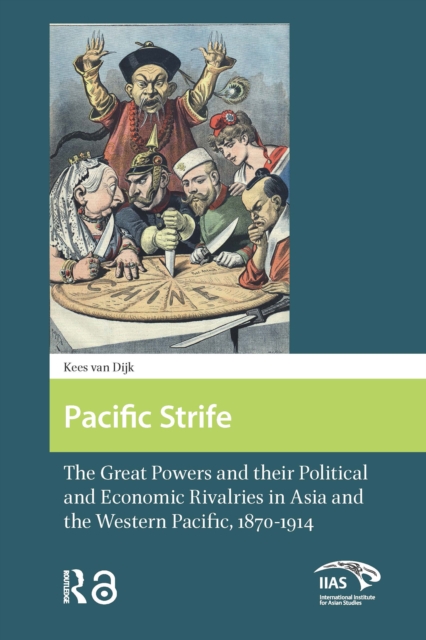
Pacific Strife
In the late 1800s and early 1900s, colonial powers clashed over much of Central and East Asia: Great Britain and Germany fought over New Guinea, the Bismarck Archipelago, Fiji, and Samoa; France and Great Britain competed over control of continental Southwest Asia; and the United States annexed the Philippines and Hawaii. Meanwhile, the possible disintegration of China and Japan’s growing nationalism added new dimensions to the rivalries. Surveying these and other international developments in the Pacific basin during the three decades preceding World War I, Kees van Dijk traces the emergence of superpowers during the colonial race and analyzes their conduct as they struggled for territory. Extensive in scope, 'Pacific Strife' is a fascinating look at a volatile moment in history. \"Van Dijk's work will richly reward readers of nearly any interest level.\" -J. Rogers in Choice Magazine
eBook
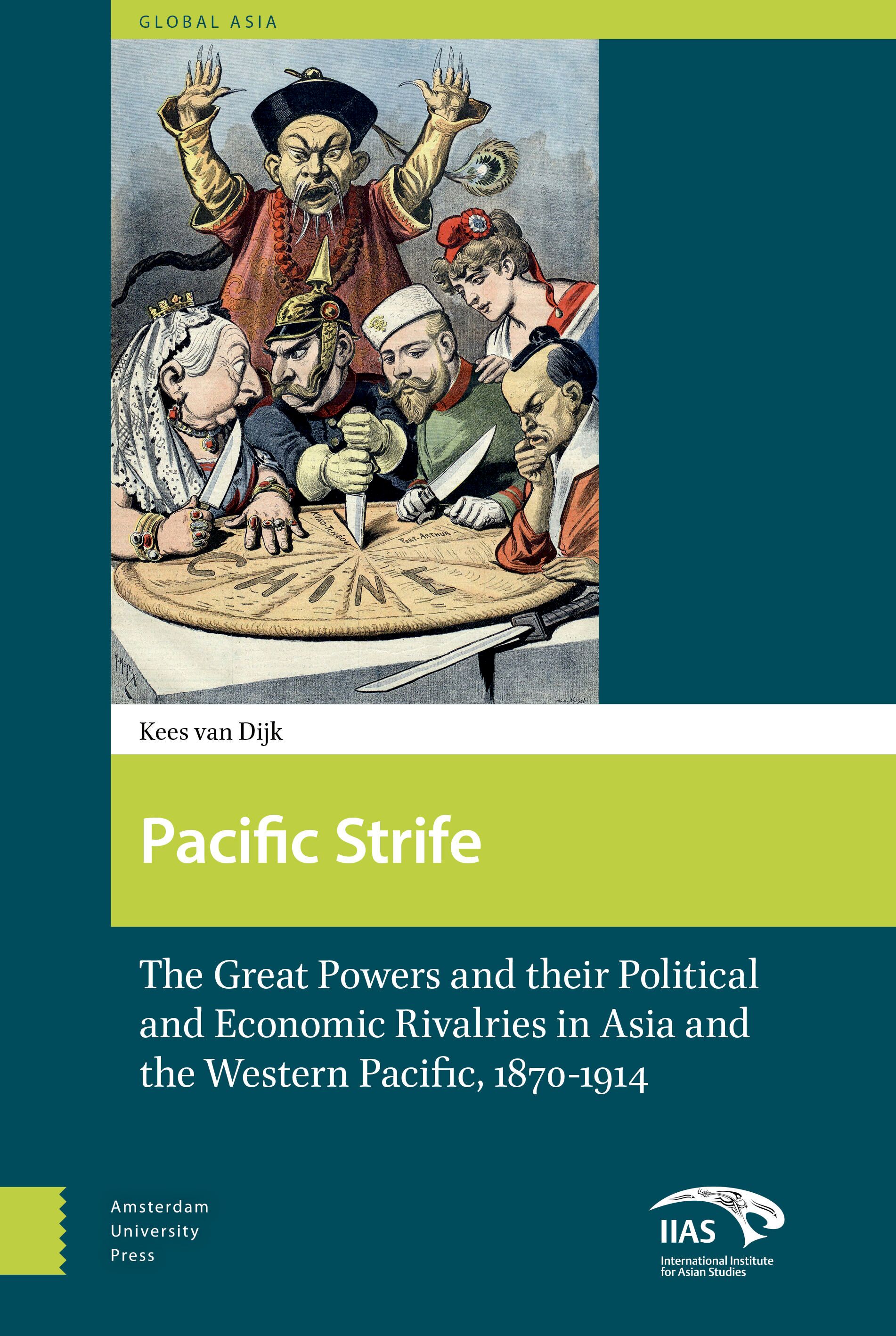
Pacific Strife
In the late 1800s and early 1900s, colonial powers clashed over much of Central and East Asia: Great Britain and Germany fought over New Guinea, the Bismarck Archipelago, Fiji, and Samoa; France and Great Britain competed over control of continental Southwest Asia; and the United States annexed the Philippines and Hawaii. Meanwhile, the possible disintegration of China and Japan’s growing nationalism added new dimensions to the rivalries. Surveying these and other international developments in the Pacific basin during the three decades preceding World War I, Kees van Dijk traces the emergence of superpowers during the colonial race and analyzes their conduct as they struggled for territory. Extensive in scope, Pacific Strife is a fascinating look at a volatile moment in history.
eBook