
Catalogue Search | MBRL


Are you sure you want to remove the book from the shelf?

{{itemTitle}}
3
result(s) for
"Glazes Formulae."
Sort by:

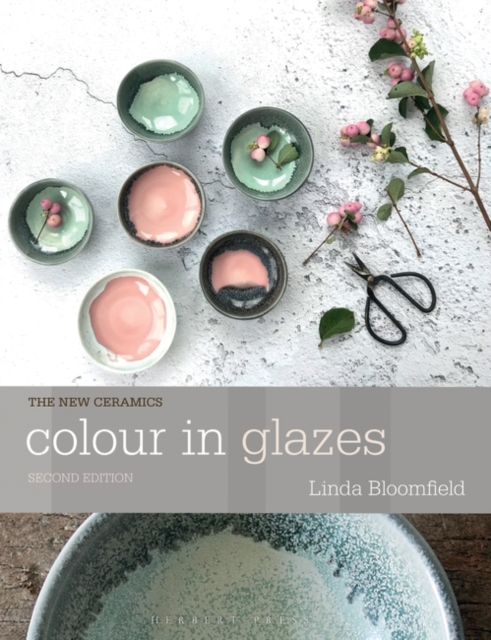
Colour in Glazes
An essential handbook for studio potters working towards achieving a fantastic spectrum of colourful glazes.Colour in Glazes teaches you all the methods for achieving colour in glazes, focusing on colouring oxides in detail, including the newly available rare earth oxides.
eBook
Development of Electrical Porcelain Glazes from Non-Essential Materials in Ghana Using RO/R2O, R2O3, RO2 Classification
The use of non-essential materials in Ghana like granites, cocoa pod ash and shells as fluxes has been studied in the composition of a local brown glaze in the Na2O-K2O-CaO-Al2O3-SiO2 systems to support electrical porcelain glaze development which hitherto relied totally on imported glazes. Chemical analyses have been performed on the various materials and revealed the presence of the right quantities of aluminous-silicate minerals necessary for combinations in glaze development using the Segar classification. It was found that the range of 0.2 - 0.4 molecular weight of the granites, 0.1 - 0.3 for the cocoa pod ash and 0.4 - 0.8 for the shells forming the R2O/RO2 group and the ratio of 1:12 for the clay and the sand was sufficient to cause excellent melt at 1200OC when 5% - 8% of local manganese and 5% local iron oxide were added to the recipe. The molecular weights of the various oxides in the R2O group were calculated from the chemical analyses of the various materials to reflect the right quantities of the oxides. The results also indicate that holding the RO/R2O group within the above limits and varying the clay to sand ratio from1:8 - 1:12, other glaze melting surfaces from matt to gloss are achievable. Physical examination of the melted glaze on the electrical porcelain bodies showed consistent rich brown colour, well vitrified with no crazing, peeling or pin holes, at pottery temperatures of 1140 - 12000C.
Journal Article