
Catalogue Search | MBRL


Are you sure you want to remove the book from the shelf?

{{itemTitle}}
616
result(s) for
"Gorky, Maksim, 1868-1936"
Sort by:
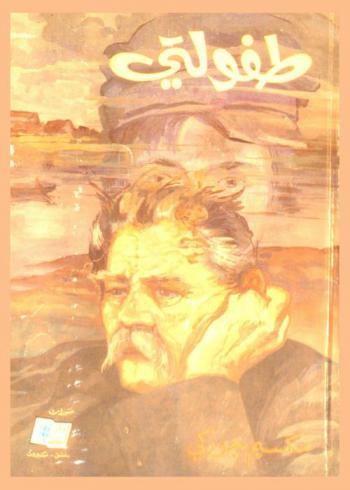
طفولتي
كتاب طفولتي تأليف مكسيم غوركي، تتحدث هذه المجموعة عن الخطوات الأولى على درب الحياة لشخص يعرف أسمه عالم القراء كله إنه مكسيم غوركي الكاتب الروسي المبدع مؤلف العديد من الروايات والقصص والأقاصيص القصيرة والمسرحيات والمقالات الأدبية ويعتبر كتاب \"طفولتي\" الجزء الأول من ثلاثية مكسيم غوركي الكبيرة المستوحاة من سيرة حياته (\"طفولتي،\" بين الناس\"، \"جامعياتي\") ويكاد يكون أكثرها شهرة بطل القصة هو الكاتب نفسه في تلك السنوات العسيرة والمريرة من عمره عندما كان يعيش يتيما في بيت جده القاسي بعد أن نقد أباه وأمه.
Book

Maxim Gorky's “Pogrom”: Jewish Victimhood and Russian Revolutionary Thought
Maxim Gorky included his short story, “Pogrom,” in the 1901 anthology, Aid to the Jews Suffering from Famine [Pomoshch-evreiam postradavshim ot neurozhaia]. The short piece is a first-person account of a pogrom that Gorky claims to have witnessed in the Volga region during the 1880s. Gorky, in the naturalistic tone of most of his short stories of that period, manages to describe vividly a pogrom from the perspective of one in the crowd of perpetrators. This new English translation of Gorky's 1901 story includes an introduction, which proposes that Gorky, with this story and his vocal concern for Russia's Jews, helped to usher in a modern Jewish literature in Russia, one that had a significant influence in Russia and beyond. It is impossible to fully appreciate the pogrom narratives of writers like Isaac Babel and Sholem Aleichem without a sense of the public debate that Gorky initiated with the publication of his story.
Journal Article
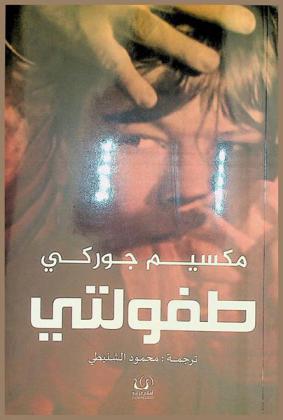
طفولتي
يعتبر كتاب \"طفولتي\" الجزء الأول من ثلاثية «مكسيم جوركي» الكبيرة المستوحاة من سيرة حياته: \"طفولتي\" و \"بين الناس\" و \"جامعياتي\" ويكاد يكون أكثرها شهرة. وبطل القصة هو الكاتب نفسه الذي يتحدث عن تلك السنوات العسيرة والمريرة من عمره، عندما كان يعيش يتيمًا في بيت جده القاسي بعد أن فقد أباه وأمه.
Book

Childhood
Aleksey Peshkov overcame indigence, violence, and suicidal despair to become Maksim Gorky, one of the most widely read and influential writers of the twentieth century.Childhood , the first book in Gorky's acclaimed autobiographical trilogy, depicts his early years, when after his father's death he was taken to live in the home of his maternal.
eBook
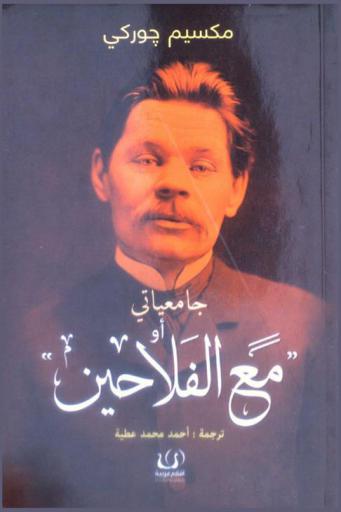
جامعياتي، أو، مع الفلاحين
يتناول هذا الكتاب الحديث عن \"مكسيم جوركي\" كاتب إنساني يرى النصر دائما في جانب الخير وهو في ذلك ما يقرر الواقع ولا يتجنى، وجوركي يؤمن قبل كل شيء بالقوى الأولى، يؤمن بالحق والخير اللذين يطغيان على كل شرورها، وقد قوى فيه هذا الاعتقاد عندما شرع يخالط العمال في بلدته \"نجني فورد\" في عام 1902 وما بعده، وابتدأ يتصل بالمنظمات الثورية المحلية ويشارك في نشاطها، في هذا العالم بدأ كل أدبه يتحول عن المشردين الذين طالما صور بصدق حياتهم التي شاركهم مرارتها، ويحل كتابات جوركي تنطق بالتجربة ولا تنقصها المعرفة، رغم أن جوركي لم تطأ قدمه دور العلم إلا مرة واحدة حين كان لا يزال في التاسعة ولكنه لم ينجح في دراسته وعانى الكثير من معاكسة التلاميذ والمدرسين أيضا له فترك المدرسة ليعمل صبيا في محل لبيع الأحذية، ثم دخل مدرسته الكبرى... الحياة...!!. كتب جوركي ذكرياته عن حياته في كتب ثلاثة، طفولة وخبرتي بالحياة، وجامعيات والكتاب الأخير هو الذي بين أيدينا، وفيه يتحدث جوركي عن حياته منذ صغره.
BOOK


Our Fairytales: The Cost of Migration, National Myth, and Creative Labor in Unser Deutschlandmärchen
Our Fairytales: The Cost of Migration, National Myth, and Creative Labor in Unser Deutschlandmärchen is a performance analysis that examines lived cultural narratives through the lens of the Maxim Gorki Theatre’s production of Dinçer Güçyeter’s autobiographical novel Unser Deutschlandmärchen. The impact on Turkish migrants in Germany and their descendants is explored through an investigation of primary production texts, migration and diaspora literature, and Turkish–German cultural commentary. A discussion of fairy tales and national mythos reveals the material contributions migrant communities often make to host nations through systemic endurance and cultural enrichment, frequently at the cost of forgoing “happily ever after.” The reformation of the traditional fairy tale recasts Turkish–German migrants as modern fairy-tale heroes who generate counter-cultural narratives through collective, intergenerational, and ethnographically inherited memory.
Journal Article

Renegotiating the Canon: Scenes of German/ic Theatre(s) – Editors’ Note
Walter Benjamin citing Bertolt Brecht, Versuche über Brecht 1966 German Theatre is both a successful brand and an institution in crisis – often praised for its unique and diverse landscape, at least when it comes to the state, city, national, private, independent and community theatres that have flourished in the 20th and 21st centuries, thanks to extensive state subsidies. Anselm Heinrich’s articlefocuses on Nazi Germany’s attempts to control and shape the cultural sector across occupied Europe and discusses the role of theatre in the regime’s social and political goals. Greta Gebhard’s article interrogates critically the cult of domesticity and the ideologies that women used to build imagined communities and maintain aspects of cultural power in the national discourse. Previously, she was a Visiting Professor at the University of Fine Arts (UdK) Berlin, Postdoc at the Department of Theatre Studies at LMU Munich and fellow at the International Research Center Interweaving Performance Cultures at FU Berlin.
Journal Article
Roma Armee and the Paradox of Representation
Like most of Yael Ronen’s theatre, Roma Armee complicates notions of identity. It presents a world in which representation simultaneously blinds and illuminates. Ronen’s use of stereotypes deconstructs prevalent images of Roma and Romani Travellers to start a process of healing and reconciliation that recognizes actual experience.
Journal Article
Znaniye Realizminin Marksist Kökenleri: Maksim Gorki ile Sosyalist Edebiyata Giden Yol
The “Znanie” realism, a trend within the realism movement in Russian literature, is represented by a literary union formed around the eponymous publishing house, consisting of numerous writers such as Maxim Gorky, Ivan Bunin, Alexander Kuprin, Leonid Andreyev, and Vikenty Veresayev. Under the leadership of Maxim Gorky, who took over the “Znanie” Publishing House in 1902, the foundations of the socialist realism movement in Russian literature were laid through the works published until 1913. The works in question begin to criticize the bourgeoisie and amplify the voices of workers. Thus, a Marxist tradition emerges in the literature of the 1900s-1910s. The aim of this tradition is to awaken class consciousness among workers, who formed a new readership, through revolutionary propaganda and agitation in order to mobilize them for social justice and equality. As is well known, it is impossible to understand the literature of a people or an era without deeply analyzing the conflicts that arise in a class-divided society and the psychology they engender. Accordingly, this study, approached through the Marxist critical method, aims to introduce “Znanie” realism, a transition period toward socialist realism, and to explore its literary and societal role. Research and analyses have revealed that various Marxist works, written in the revolutionary spirit to criticize the petty bourgeoisie and to raise awareness and motivate the working class, were produced in the genres of prose, poetry, and drama.
Journal Article