
Catalogue Search | MBRL


Are you sure you want to remove the book from the shelf?

{{itemTitle}}
618
result(s) for
"Gorky, Maksim, 1868-1936"
Sort by:
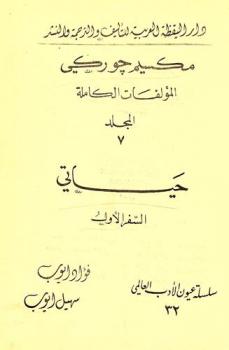

Maxim Gorky's “Pogrom”: Jewish Victimhood and Russian Revolutionary Thought
Maxim Gorky included his short story, “Pogrom,” in the 1901 anthology, Aid to the Jews Suffering from Famine [Pomoshch-evreiam postradavshim ot neurozhaia]. The short piece is a first-person account of a pogrom that Gorky claims to have witnessed in the Volga region during the 1880s. Gorky, in the naturalistic tone of most of his short stories of that period, manages to describe vividly a pogrom from the perspective of one in the crowd of perpetrators. This new English translation of Gorky's 1901 story includes an introduction, which proposes that Gorky, with this story and his vocal concern for Russia's Jews, helped to usher in a modern Jewish literature in Russia, one that had a significant influence in Russia and beyond. It is impossible to fully appreciate the pogrom narratives of writers like Isaac Babel and Sholem Aleichem without a sense of the public debate that Gorky initiated with the publication of his story.
Journal Article
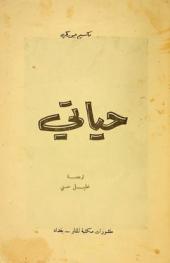
حياتي /
كتاب حياتى سيرة ذاتية آسرة وممتعة برغم ما فيها من بؤس ومعاناة. يحكي فيها مكسيم غوركي عن حياته وحياة الناس في ذلك الوقت، جدته هي أحد أسباب جمال وقيمة هذه السيرة، هذه المرأة العجوز الرحيمة والحكيمة التي وجد معها مكسيم الأمان والحب واستمتع بحكاياتها وقصصها التي لا تنتهي، وبرغم العنف والقسوة التي كان يراها من حوله، والضرب الذي تعرض له في طفولته من جده، لكن رغم ذلك لن تشعر في كلامه بالمرارة أو الرثاء لحاله. أسلوب الكاتب جميل وبارع في التعبير عن نفسه وأحواله، وبارع أيضا في وصف كل الشخصيات من حوله.
Book

Childhood
Aleksey Peshkov overcame indigence, violence, and suicidal despair to become Maksim Gorky, one of the most widely read and influential writers of the twentieth century.Childhood , the first book in Gorky's acclaimed autobiographical trilogy, depicts his early years, when after his father's death he was taken to live in the home of his maternal.
eBook
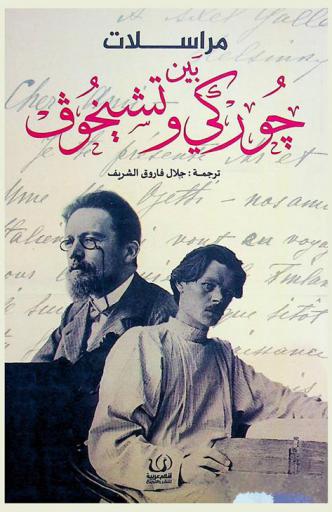

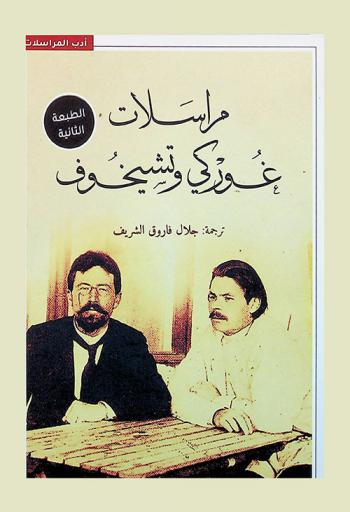
مراسلات جوركي وتشيخوف
هذا الكتاب الذي بين يدي القارئ هو ترجمة أمينة جهد الطاقة للمراسلات التي جرت بين الكاتبين الشهيرين مكسيم جوركي وأنطوان تشيخوف نقلناها عن الترجمة الفرنسية والغاية من نقل هذه المكاتبات إلى قراء العربية هي التعريف بمكسيم جوركي، فمؤلفاته التي ترجمت كلها تقريبا إلى العربية قد أطلعتنا على أدبه وهذه المراسلات تطلعنا على طرف من حياته ولئن كان جوركي قد كتب بإسهاب قصة تلك الحياة في مؤلفاته، فإن قيمة هذه المكاتبات هي في أنها لم تكتب لتنشر، أي أنها بعيدة كل البعد عن مقتضيات العمل الأدبي وهذا هو سر قيمتها، ذلك لأنه مهما كانت صراحة الكاتب كبيرة في مؤلفاته، عندما يكتب قصة حياته فإنه لا بد من حدود تقف عندها هذه الصراحة وأقل ما يقتضيها هو فن الكتابة.
Book

Our Fairytales: The Cost of Migration, National Myth, and Creative Labor in Unser Deutschlandmärchen
Our Fairytales: The Cost of Migration, National Myth, and Creative Labor in Unser Deutschlandmärchen is a performance analysis that examines lived cultural narratives through the lens of the Maxim Gorki Theatre’s production of Dinçer Güçyeter’s autobiographical novel Unser Deutschlandmärchen. The impact on Turkish migrants in Germany and their descendants is explored through an investigation of primary production texts, migration and diaspora literature, and Turkish–German cultural commentary. A discussion of fairy tales and national mythos reveals the material contributions migrant communities often make to host nations through systemic endurance and cultural enrichment, frequently at the cost of forgoing “happily ever after.” The reformation of the traditional fairy tale recasts Turkish–German migrants as modern fairy-tale heroes who generate counter-cultural narratives through collective, intergenerational, and ethnographically inherited memory.
Journal Article

Engineers of human souls : four writers who turned to politics
An intimate and shocking shadow history of creative vanity in a time that turned writers - once the faithful servants of authority - into figures of political consequence. Gabriele D'Annunzio, whose poetry became a blueprint for fascism in Italy. Maxim Gorky, dramatist of the working class and Stalin's cheerleader. Joseph Goebbels, a hopeless novelist but, under Hitler, an inspired propagandist. Ding Ling whose every story served the Maoist regime that kept her imprisoned for years. Not one of them was suited to vast undertakings. All four nursed extravagant visions of the future, and believed they were vital to its realisation. Each was lured to the centre of political action. Each established a dangerous and damaging relationship with a notorious dictator. And when writers and rulers find a use for each other, the consequences can be shattering for us all.
Book

Renegotiating the Canon: Scenes of German/ic Theatre(s) – Editors’ Note
Walter Benjamin citing Bertolt Brecht, Versuche über Brecht 1966 German Theatre is both a successful brand and an institution in crisis – often praised for its unique and diverse landscape, at least when it comes to the state, city, national, private, independent and community theatres that have flourished in the 20th and 21st centuries, thanks to extensive state subsidies. Anselm Heinrich’s articlefocuses on Nazi Germany’s attempts to control and shape the cultural sector across occupied Europe and discusses the role of theatre in the regime’s social and political goals. Greta Gebhard’s article interrogates critically the cult of domesticity and the ideologies that women used to build imagined communities and maintain aspects of cultural power in the national discourse. Previously, she was a Visiting Professor at the University of Fine Arts (UdK) Berlin, Postdoc at the Department of Theatre Studies at LMU Munich and fellow at the International Research Center Interweaving Performance Cultures at FU Berlin.
Journal Article