
Catalogue Search | MBRL


Are you sure you want to remove the book from the shelf?

{{itemTitle}}
19
result(s) for
"Grabmal"
Sort by:
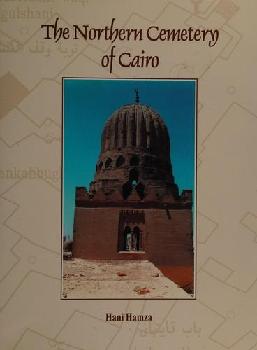
The Northern Cemetery of Cairo
\"The Northern Cemetery of Cairo deals with the beginnings, growth and decline of one of the most important cemeteries of Cairo, which is quintessentially a product of Mamluk patronage. The Northern Cemetery was a separate entity isolated on all sides; to the south the steep descent of Bab al-Wazir and the Citadel complex separated it from the Qarafa; to the west the Barqiyya mounds and the Cairo wall separated it from the city proper; to the east al-Gabal al-Ahmar fixed its physical limit; its northern boundaries, however, are not clearly defined.\"
BOOK

Romanesque Tomb Effigies
Framed by evocative inscriptions, tumultuous historical events,
and the ambiguities of Christian death, Romanesque tomb effigies
were the first large-scale figural monuments for the departed in
European art. In this book, Shirin Fozi explores these provocative
markers of life and death, establishing early tomb figures as a
coherent genre that hinged upon histories of failure and frustrated
ambition.
In sharp contrast to later recumbent funerary figures, none of
the known European tomb effigies made before circa 1180 were
commissioned by the people they represented, and all of the
identifiable examples of these tombs were dedicated to individuals
whose legacies were fraught rather than triumphant. Fozi draws on
this evidence to argue that Romanesque effigies were created to
address social rather than individual anxieties: they compensated
for defeat by converting local losses into an expectation of
eternal victory, comforting the embarrassed heirs of those whose
histories were marked by misfortune and offering compensation for
the disappointments of the world.
Featuring numerous examples and engaging the visual, historical,
and theological contexts that inform them, this groundbreaking work
adds a fresh dimension to the study of monumental sculpture and the
idea of the individual in the northern European Middle Ages. It
will appeal to scholars of art history and medieval studies.
eBook

Tombs in Early Modern Rome (1400-1600)
Jan L. de Jong studies how tombs in Early Modern Rome (1400-1600) did not just function as a place to bury the dead, but as monuments of mourning, memory, and meditation on life, death and the hereafter.
eBook

Europäische Friedhofskultur. Geschichte und Gegenwart
Friedhöfe sind seit Jahrhunderten zentrale Orte der Trauerkultur. Sie sind Schauplätze von Ritualen am konkreten Ort der Bestattung. Darüber hinaus haben sie eine hohe symbolische Bedeutung – denn Friedhöfe sind Orte des Gedächtnisses. Die Grabstätte bedeutete gesellschaftliche Identität auch nach dem Tod. Mit Grabdenkmal, Grabbepflanzung und Grabbesuchen gibt es einen festgefügten Rahmen. Diese Traditionen setzten voraus, dass der Kreis der Hinterbliebenen, namentlich der Familie, in der Regel über mehrere Generationen vor Ort ansässig war. So lässt sich Friedhofskultur als eine immaterielle „Gedächtnislandschaft“ lesen, die Zeugnis ablegt von kulturellen und gesellschaftlichen Entwicklungen und historischen Veränderungen. Friedhofskultur sagt etwas aus über Bestattungs- und Trauertraditionen in verschiedenen Epochen - welche Muster dabei entwickelt wurden und in welcher Beziehung sie zur jeweiligen Gesellschaft standen. Friedhofskultur speichert Biografien, Mentalitäten, Religionen und Glaubensformen, gesellschaftliche Strukturen, Geschlechterbeziehungen sowie nicht zuletzt lokale und regionale Spezifika. So kann die Friedhofskultur als Geschichte eines Raumes interpretiert, der im Lauf der Zeit je nach historischem und gesellschaftliche Kontext immer wieder neu gedeutet wurde. Friedhöfe sind zu einer „Schatzkammer“ von Kultur und Gesellschaft geworden.
Journal Article
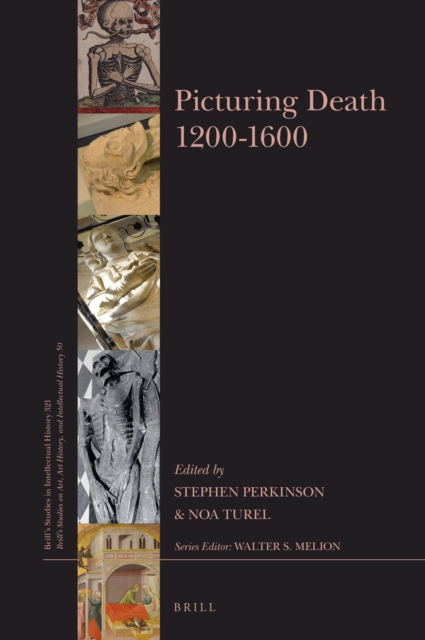
Picturing Death 1200-1600
Picturing Death: 1200-1600 brings together essays considering four key centuries of imagery related to human mortality, from tomb sculpture to painted altarpieces, from manuscripts to printed books, and from minute carved objects to large-scale architecture.
eBook
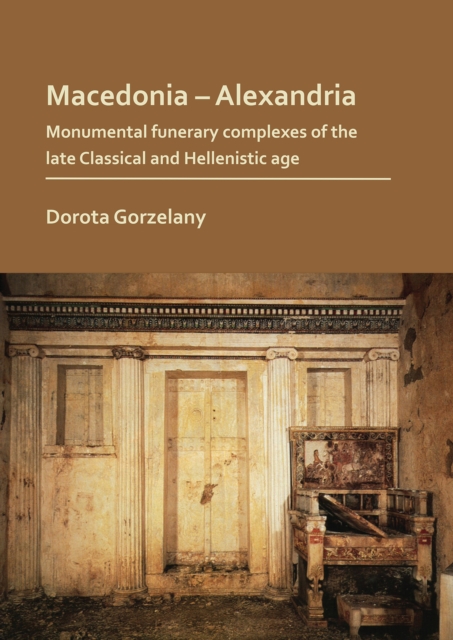
Macedonia - Alexandria
The type of monumental tomb that developed in Macedonia in the late Classical period was undoubtedly the most impressive of all the Greek funerary complexes. It was a burial chamber with a vestibule, built of stone blocks, vaulted and furnished with an architectural facade, concealed under a large tumulus rising above the ground. The concept of the Macedonian sepulcher, which the Macedonians and Greeks settling in Alexandria ad Aegyptum, the city founded by Alexander the Great on the Egyptian coast, brought with them, influenced the structural form of the underground tombs that were developed in the new city. ‘Macedonia–Alexandria’ explores the scope of this influence, comparing in synthetic form the structural elements of the cist graves, chamber and rock-cut tombs of Macedonia with the Alexandrian hypogea, while taking into account the different geographical factors that conditioned them. This is followed by a presentation of the facade and interior decoration, and a discussion of the themes of wall painting inside the tombs and a characteristic of the surviving tomb furnishings. The Macedonian tomb reflects in its form Greek eschatological beliefs ingrained in the mystery religions and the social ideology of the Macedonian kingdom. The assimilation of these beliefs is seen in the architectural arrangements, the vestibule and chamber plan, the facade (in Macedonia) or courtyard (in Alexandria), the structural and architectural interior decoration, and the furniture found in the chamber. These elements refer to palace architecture and determine the symbolic function of the tomb. The cult of the dead aspect is emphasized by wall painting iconography, the form of burial and the nature of the grave goods accompanying the deceased. In Alexandria, the role of rituals celebrated in the family tombs is attested by the declining size of burial chambers in favour of the vestibules and by the introduction of an open courtyard as well as the presence of altars. With regard to the ideology behind the Alexandrian complexes, the author explores the issue of the coexistence and the popularity of Egyptian beliefs adopted into Alexandrian sepulchral art, emphasizing the differences in the perception of the role of the tomb in the Macedonian and Egyptian consciousness.
eBook

Death in East Germany, 1945-1990 (Monographs in German history, volume 35)
As the first historical study of East Germany's sepulchral
culture, this book explores the complex cultural responses to death
since the Second World War. Topics include the interrelated areas
of the organization and municipalization of the undertaking
industry; the steps taken towards a socialist cemetery culture such
as issues of design, spatial layout, and commemorative practices;
the propagation of cremation as a means of disposal; the
wide-spread introduction of anonymous communal areas for the
internment of urns; and the emergence of socialist and secular
funeral rituals. The author analyses the manifold changes to the
system of the disposal of the dead in East Germany-a society that
not only had to negotiate the upheaval of military defeat but also
urbanization, secularization, a communist regime, and a planned
economy. Stressing a comparative approach, the book reveals
surprising similarities to the development of Western countries but
also highlights the intricate local variations within the GDR and
sheds more light on the East German state and its society.
eBook
The Deaths of the Popes
The traditions associated with a pope's death have changed from when they were buried in the catacombs of Rome.Various ceremonies, rites and rituals developed over time, but a formal procedure was not initiated until the early 1300s and even then was not always strictly followed.
eBook
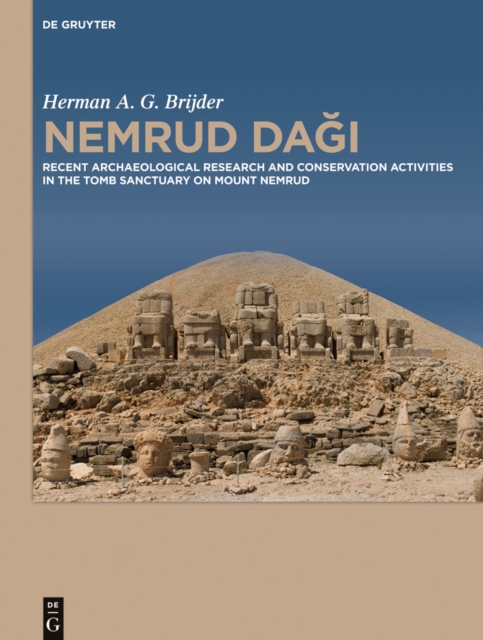
Nemrud Dagi: recent archaeological research and conservation activities in the tomb sanctuary on Mount Nemrud
This richly illustrated book presents in detail the sanctuaries built during the reign of Antiochus I of Commagene (ca. 75-36 BCE), including the three large tombs and ten cult places, and discusses Antiochus' rule in the context of his religious program and cult of the divine ruler. This book is the final publication of the results of theInternational Nemrud Da?i Project2001-2003.
eBook
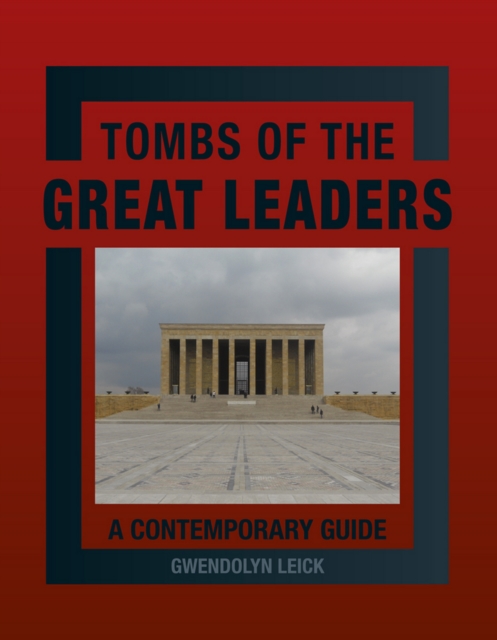
Tombs of the great leaders
Since ancient times, tombs and mausolea have been built to ensure that exceptional individuals remain in the collective memory. Memorializing those who have changed the course of history, such sites enable real deeds to become the stuff of legend and consolidate a leaders repute; but these sites of memory also serve the political needs both of the time and of subsequent regimes. How is politics played out, and history commemorated, in these locations? Why do they become pilgrimage sites? How do these structures convey meaning, and can they safeguard a leaders immortality, particularly in the context of changing political conditions? Tombs of the Great Leaders traces the development of the political tomb since the Bronze Age to today, focusing on 20th-century memorials housing communist leaders, from Lenin in Moscow to Mao Zedong in Beijing, to Ho Chi Minh in Hanoi, and Kim Il-Sung in Pyongyang. It also looks at the attempts by fascist rulers Franco and Mussolini to immortalize their memories. It explores the grand monuments erected for the founders of new nation states, including Kemal Ataturk in Ankara, Ziaur Rahman in Dhaka, Mohammed Ali Jinnah in Karachi, and the Sun Yat-sen on Purple Mountain. Leick shows how these mausoleums and tombs have become sites of pilgrimage, and describes the actual experience of visiting the sites, the responses they elicit and the context in which they are viewed today. This book is a fascinating and revealing study of the self-perpetuation of politicians and leaders, despots and dictators. Tombs of the Great Leaders has been reviewed by www.gdcinteriors.com. To read the review click here.
eBook