
Catalogue Search | MBRL


Are you sure you want to remove the book from the shelf?

{{itemTitle}}
324,534
result(s) for
"Graduate students"
Sort by:

Your guide to successful postgraduate study
The leap between the undergrad and postgrad can sometimes come as a surprise, especially if you've been out of education for a while. Postgraduate study involves applying skills and knowledge in a more sophisticated and advanced way than was required during your degree.Your Guide to Successful Postgraduate Study demystifies some of the expectations of post-grad study and outlines tools and strategies for developing skills that will improve your work throughout the whole of your post-graduate course.
Book

Parenting While Phding
Being a PhD student is not easy.Navigating the highly competitive world of academia while working hard for little or no pay would be stressful for anyone--but it's especially challenging for graduate students who are also parents.
eBook

Talent : a novel
An English grad student struggling with her dissertation about the intellectual history of inspiration desperately searches for a perfect case study to anchor her thesis, only to find it in the unlikeliest of places.
Book

Reimagined PhD: Navigating 21st Century Humanities Education
Long seen as proving grounds for professors, PhD programs have begun to shed this singular sense of mission. Prompted by poor placement numbers and guided by the efforts of academic organizations, administrators and faculty are beginning to feel called to equip students for a range of careers. Yet, graduate students, faculty, and administrators often feel ill-prepared for this pivot. The Reimagined PhD assembles an array of professionals to address this difficult issue. The contributors show that students, faculty, and administrators must collaborate in order to prepare the 21st century PhD for a wide range of careers. The volume also undercuts the insidious notion that career preparation is a zero sum game in which time spent preparing for alternate careers detracts from professorial training. In doing so, The Reimagined PhD normalizes the multiple career paths open to PhD students, while providing practical advice geared to help students, faculty, and administrators incorporate professional skills into graduate training, build career networks, and prepare PhDs for a variety of careers.
eBook


Employability for PhD Students in STEM
The employability of a STEM PhD rises if the candidate has mastered communication skills, both writing and speaking; has multidisciplinary expertise; and develops a capacity to up-skill regularly to stay ahead of the emerging digital technologies.
eBook

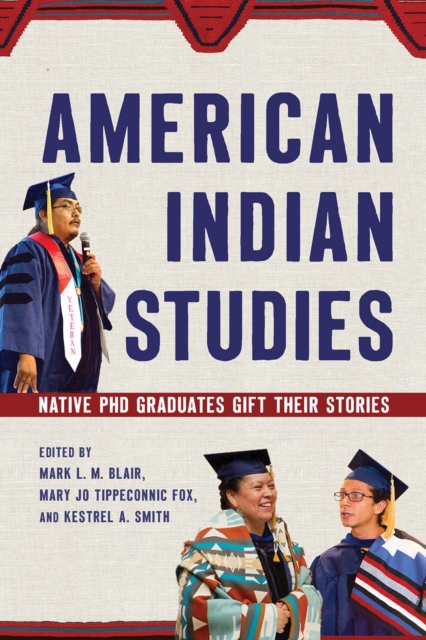
American Indian Studies
In American Indian Studies , Native PhD graduates share
their personal stories about their educational experiences and how
doctoral education has shaped their identities, lives,
relationships, and careers.
This collection of personal narratives from Native graduates of
the University of Arizona's American Indian Studies (AIS) doctoral
program, the first such program of its kind, gifts stories of
endurance and resiliency, hardship and struggle, and accomplishment
and success. It provides insight into the diverse and dynamic
experiences of Native graduate students. The narratives address
family and kinship, mentorship, and service and giving back.
Essayists share the benefits of having an AIS program at a
mainstream academic institution-not just for the students enrolled
but also for their communities.
This book offers Native students aspiring to a PhD a realistic
picture of what it takes. While each student has their own path to
walk, these stories provide the gift of encouragement and serve to
empower Native students to reach their educational goals, whether
it be in an AIS program or other fields of study.
eBook


A Handbook for Supporting Today's Graduate Students
Despite continued growth in enrollments, graduate program attrition rates are of great concern to academic program coordinators. It is estimated that only 40 to 50 percent of students who begin Ph.D. programs complete their degrees. This book describes programs, initiatives, and interventions that lead to overall student retention and success.Written for graduate school administrators, student affairs professionals, and faculty, this book offers ways to better support today's graduate student population, addresses the needs of today's changing student demography and considers the challenges today's graduate students face inside and outside of the classroom. The opening section highlights the shifting demographics and contextual factors shaping graduate education over the past 20 years, while the second describes institutional practices to develop the requisite academic and professional development necessary to succeed in master's and doctoral programs. In conclusion, the editors curate a conversation about different ways institutions can support graduate students beyond the classroom.
eBook