
Catalogue Search | MBRL


Are you sure you want to remove the book from the shelf?

{{itemTitle}}
10
result(s) for
"Grief Comic books, strips, etc."
Sort by:
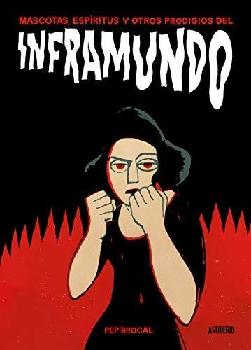
Mascotas, espíritus y otros prodigios del inframundo
Amalia, decepcionada de la vida tras un fracaso amoroso, ocupa el puesto de portera del edificio que dejó su madre al morir. Su intención inicial es refugiarse durante un tiempo de ese mundo que considera hostil. Pero han pasado los años y el plan ya le está bien, no necesita más. Ahí en su semisótano vive tranquila con su rutina, sus libros y su querido gato. Un día llega al inmueble un personaje con la extraña misión de encontrar y llevarse en su maleta las almas de aquellas personas que han quedado solas...
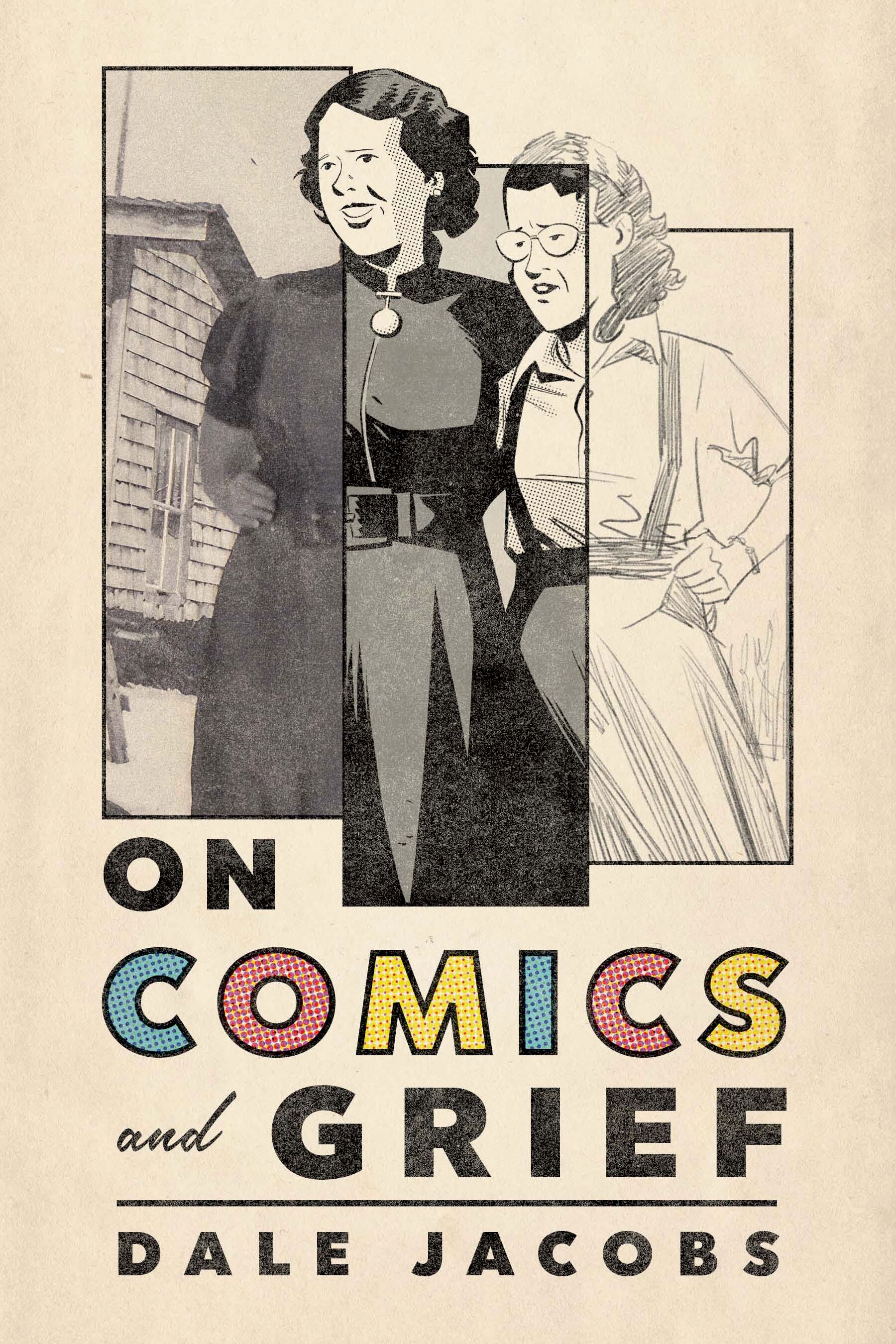
On Comics and Grief
Fragmented and hybrid in style, On Comics and Grief examines a year in comic book publishing and the author's grief surrounding his mother's death. This book connects grief, memory, nostalgia, personal history, theory, and multiple lines of comics studies inquiry in relation to the comic books of 1976.
Structured around a year of comic books with a cover date of 1976, the year the author turned ten, the book is divided into an Introduction plus twelve sections, each a month of the publishing year. Two comic books are highlighted each month and examined through the interwoven lenses of creative nonfiction and comics studies. Through these twenty-four comics, the book addresses the major comic book publishers and virtually all genres of comics published in 1976.
By pushing the ways in which the personal is used in comics studies, combining different modes of writing, and embracing a fragmentary style, the book explores what is possible in academic writing in general and comics studies in particular. On Comics and Grief both acts as a way for the author to process his grief and uses grief as a way to think about the comics themselves through the emotions and personal connections that underlie the work we do as scholars.
eBook

Rosalie Lightning
\"ROSALIE LIGHTNING is Eisner-nominated cartoonist Tom Hart's beautiful and touching graphic memoir about the untimely death of his young daughter, Rosalie. His heart-breaking and emotional illustrations strike readers to the core, and take them along his family's journey through loss. Hart uses the graphic form to articulate his and his wife's on-going search for meaning in the aftermath of Rosalie's death, exploring themes of grief, hopelessness, rebirth, and eventually finding hope again. Hart creatively portrays the solace he discovers in nature, philosophy, great works of literature, and art across all mediums in this expressively honest and loving tribute to his baby girl. Rosalie Lighting is a graphic masterpiece chronicling a father's undying love\"-- Provided by publisher.
Book

COVID Chronicles
In 2020, the COVID-19 pandemic brought the world to its knees.
When we weren't sheltering in place, we were advised to wear masks,
wash our hands, and practice social distancing. We watched in
horror as medical personnel worked around the clock to care for the
sick and dying. Businesses were shuttered, travel stopped, workers
were furloughed, and markets dropped. And people continued to
die.
Amid all this uncertainty, writers and artists from around the
world continued to create comics, commenting directly on how
individuals, societies, governments, and markets reacted to the
worldwide crisis. COVID Chronicles: A Comics Anthology
collects more than sixty such short comics from a diverse set of
creators, including indie powerhouses, mainstream artists, Ignatz
and Eisner Award winners, and media cartoonists. In narrative
styles ranging from realistic to fantastic, they tell stories about
adjusting to working from home, homeschooling their kids, missing
birthdays and weddings, and being afraid just to leave the house.
They probe the failures of government leaders and the social safety
net. They dig into the racial bias and systemic inequities that
this pandemic helped bring to light. We see what it's like to get
the virus and live to tell about it, or to stand by helplessly as a
loved one passes.
At times heartbreaking and at others hopeful and humorous, these
comics express the anger, anxiety, fear, and bewilderment we feel
in the era of COVID-19. Above all, they highlight the power of art
and community to help us make sense of a world in crisis, reminding
us that we are truly all in this together.
The comics in this collection have been generously donated by
their creators. A portion of the proceeds from the sale of this
volume are being donated by the publisher to the Book Industry
Charitable Foundation (Binc) in support of comics shops,
bookstores, and their employees who have been adversely affected by
the pandemic.
eBook

49 days
Day 1. Gotta get up. Gotta keep moving. This map - it says I have to cross over here. Wait, what's that...? And so begins a graphic novel story unlike any other: 49 Days. In Buddhist tradition, a person must travel for forty-nine days after they die, before they can fully cross over. Here in this book, readers travel with one Korean American girl, Kit, on her journey, while also spending time with her family and friends left behind. Agnes Lee has captivated readers across the world for years with her illustrations for the New York Times Metropolitan Diary. Her debut graphic novel is an unforgettable story of death, grief, love, and how we keep moving forward.
Book


Hungry ghost
Valerie Chu is quiet, studious, and above all, thin. No one, not even her best friend Jordan, knows that she has been binging and purging for years. But when tragedy strikes, Val finds herself taking a good, hard look at her priorities, her choices, and her own body. The path to happiness may lead her away from her hometown and her mother's toxic projections, but first she will have to find the strength to seek help.
Book

An Info Pro's Guide to Graphic Medicine
The PathoGraphics website states, \"Illness and disability are very personal matters: they are located in individual bodies, connected to specific life stories, and may even be difficult to communicate, as in the cases of pain or grief.\" As one way to help tell those stories, a genre of medical/health-related graphic literature known as graphic medicine is emerging to educate, communicate, and document the discourse of healthcare through the medium of comics.
Journal Article

Missing you
\"Following the loss of their mother, Thomas and Lara find an injured deer on the side of the road. Deciding to bring it home with them, they name the deer Lion and quickly become best friends. The new woodland creature soon fills their hearts with warmth and fun, easing their mourning. But when Lion grows more and more curious about the forest beyond their house, Thomas and Lara start to wonder if the forest is where Lion truly belongs. Will they be able to say goodbye to their new friend?\"-- Provided by publisher
Book

Sunshine
\"When Jarrett J. Krosoczka was in high school, he was part of a program that sent students to be counselors at a camp for seriously ill kids and their families. Going into it, Jarrett was worried: Wouldn't it be depressing, to be around kids facing such a serious struggle? Wouldn't it be grim? But instead of the shadow of death, Jarrett found something else at Camp Sunshine: the hope and determination that gets people through the most troubled of times. Not only was he subject to some of the usual rituals that come with being a camp counselor (wilderness challenges, spooky campfire stories, an extremely stinky mascot costume), but he also got a chance to meet some extraordinary kids facing extraordinary circumstances. He learned about the captivity of illness, for sure but he also learned about the freedom a safe space can bring\"-- Provided by publisher
Book