
Catalogue Search | MBRL


Are you sure you want to remove the book from the shelf?

{{itemTitle}}
4,827
result(s) for
"HAEMATOLOGY MALIGNANCY"
Sort by:

Effectiveness of tixagevimab/cilgavimab in patients with hematological malignancies as a pre-exposure prophylaxis to prevent severe COVID-19: a Czech retrospective multicenter study
Despite lower virulence, the omicron variant of severe acute respiratory syndrome coronavirus 2 (SARS-CoV-2) that causes coronavirus disease 2019 (COVID-19) still poses a relevant threat for immunocompromised patients. A retrospective multicentric study was conducted to evaluate the efficacy of pre-exposure prophylaxis with tixagevimab/cilgavimab (Evusheld) with a 6-month follow-up for preventing severe COVID-19 in adult patients with hematology malignancy. Among the 606 patients in the cohort, 96 (16%) contracted COVID-19 with a median of 98.5 days after Evusheld administration. A total of 75% of patients had asymptomatic or mild severity of COVID-19, while just 25% of patients with SARS-CoV-2 positivity had to be hospitalized. Two patients (2%) died directly, and one patient (1%) in association with COVID-19. Eight patients (1.3%) of every cohort experienced adverse events related to Evusheld, mostly grade 1 and of reversible character. It was found that complete vaccination status or positive seroconversion was not associated with lower risk of COVID-19 infection. Previous treatment with an anti-CD20 monoclonal antibody was associated with higher rates of COVID-19, while previous treatment with anti-CD38 monoclonal antibody was not, as was the case for recipients of hematopoietic stem cell transplantation or CAR-T cell therapy. Presence of other comorbidities was not associated with more severe COVID-19. The results support the growing evidence for Evusheld’s efficacy against severe COVID-19 in patients with hematology malignancies.
Journal Article

Nurse-led study on treatment delay and streamlining antibiotic therapy among haematology patients with febrile neutropenia post chemotherapy
Objective: The aim of the study is to identify gaps that exist among health professionals that may impact practices in caring effectively for patients with febrile neutropenia (FN).
Background: Haematology patients with FN following chemotherapy frequently experience delays in antibiotic administration that may be linked to poorer clinical outcomes. To aid timely review and treatment, FN care pathways have been developed. However, observations of clinical practice and patient anecdotal reports have highlighted that the care pathways may not be adhered to. The impact on patient care outcomes due to treatment delays and the rate of protocol adherence to the FN management pathway is unknown due to insufficient evidence.
Methods: Using the Clinical Records Integrated System (CRIS), data were collected by auditing patients' electronic health records (EHR) from November 2017 through to November 2018. Information retrieved were screened using the inclusion and exclusion criteria.
Inclusion criteria: Haematology patients with FN (temperature >= 38 degrees and neutrophil count < 1.0 x10⁹/L) post chemotherapy, and 18 years or older.
Exclusion criteria: Medical oncology patients and patients who were under 17 years old.
Results: The mean time for antibiotic administration from first temperature spike was 90+-15 minutes for inpatients (n=48). The mean time for antibiotic administration from medical officer review was significantly lower at 48+-5 minutes for outpatients (n=31). Inpatients who were given antibiotics within 60 minutes or less of their first temperature spike, their mean length of total stay in the ward was 17+-1 whilst inpatients who were given antibiotics 60 minutes after their first temperature spike, the mean length of their hospital stay was slightly greater at 21+-3 days. Outpatients who were given antibiotics within 60 minutes or less of their first temperature spike, their mean length of stay was 12+-2 days. For outpatients given antibiotics 60 minutes after their first temperature spike, their mean length of hospital stay was slightly shorter at 9+-3 days.
Conclusion: The study identified antibiotic delays among inpatient population, and with correlation to increased length of hospital stay and mortality. Another key factor identified in the study was delayed medical officer review although reasons for delays are outside the scope of this study to report.
What is already known: - Febrile neutropenia is a serious and life-threatening illness.
- Delays in antibiotic administration exists among healthcare facilities.
- Adherence to FN treatment guidelines among healthcare settings are challenging.
What this review adds: - Standardised orders to allow timely administration of antibiotic therapy that may reduce morbidity and mortality.
- Increased education on the seriousness and outcome from delayed antibiotics to patients, families, and healthcare staff.
- Further studies are required to standardise the clinical pathway and make antibiotics accessible for prompt delivery.
Journal Article
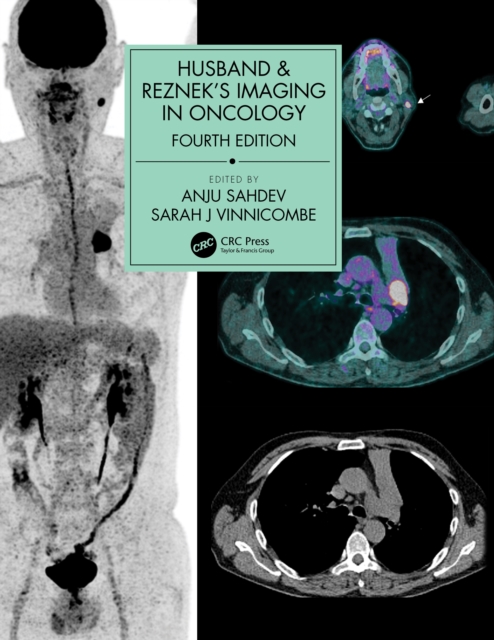
Husband & Reznek's Imaging in Oncology
Computed tomography (CT) or magnetic resonance imaging (MRI) of the head and neck is frequently performed to evaluate most primary head and neck cancers. Most are mucosal and the mucosal extent can be evaluated best by visual inspection by the clinician. However, these tumours have the tendency to spread submucosally, and this extension into the deeper tissue planes may be impossible to detect by clinical examination. Some regions such as the base of the skull, pterygopalatine and infratemporal fossa, orbits, and brain are beyond clinical evaluation, although critical management decisions have to be made based on the involvement of these structures; imaging findings are of the utmost importance in such cases. Perineural and/or perivascular spread, leading to tumour progression, local or distant recurrences can be detected by imaging. Bone involvement, or cartilage invasion or destruction, can be visualized using CT or MRI. Metastatic adenopathies can be identified, sometimes still in a subclinical stage or in sites inaccessible by clinical examination, such as in the retropharyngeal or paratracheal lymph nodes. All of these findings can profoundly influence the staging and management of the patient with head and neck cancer. Finally, imaging may be used to monitor tumour response and to detect recurrent or persistent disease before it becomes clinically evident, possibly with a better chance for successful salvage. Besides imaging findings, the results of initial pathological specimens and smoking history are vital for patient management, and these patients should be formally staged in a multidisciplinary setting.
eBook

Efficacy of palifermin on oral mucositis and acute GVHD after hematopoietic stem cell transplantation (HSCT) in hematology malignancy patients: a meta-analysis of trials
Aim of the study: Herein, this meta-analysis study evaluated the efficacy of palifermin after HSCT on the incidence and severity of OM or aGVHD in hematologic malignancy patients in randomized clinical trials (RCTs). Materials and methods: To compare the efficacy of palifermin on adverse events, OM and aGVHD compared with placebo, we searched databases of PubMed/Medline, Web of Science and Cochrane Library for RCTs based on a number of criteria. Results: There was no difference observed in the incidence of OM and aGVHD between two groups. The subgroup analysis didn’t show significant differences in two groups for aGVHD grade 2-4 (odds ratio [OR] = 1.54, 95% confidence interval (CI): 0.70-3.39, p = 0.28), aGVHD grade 3-4 (OR = 0.97, 95% CI: 0.48-1.94, p = 0.92), OM grade 2-4 (OR = 0.76, 95% CI: 0.42-1.38, p = 0.37) and OM grade 3-4 (OR = 0.54, 95% CI: 0.25-1.15, p = 0.11], but erythema as an adverse effect in palifermin group was higher than placebo group (OR = 1.86, 95% CI: 1.10-3.15, p = 0.02]. Conclusions: This meta-analysis of six clinical trials found no statistically significant difference in OM and aGVHD grades in patients receiving 60 µg/kg/day dose of palifermin compared with those receiving a placebo. However, oral mucosal erythema was more prevalent among patients receiving palifermin than patients receiving a placebo.
Journal Article

A success story in a low-resource setting: Advancing cancer diagnostics in underserved region
Abstract
Introduction/Objective
Shefaa Al Orman Hospital (SOH) is the first oncology hospital in Luxor. Since its inception in 2016, the hospital has served approximately 45,000 patients from Luxor and other governorates. The hospital’s lab provides excellent routine laboratory services.
However, there is a pressing demand for molecular genetics and cytogenetics, that is necessary for diagnosis of hematological malignancies.
This strategic expansion faced several challenges: lack of expertise and the need for special expensive equipment and reagents.
Methods/Case Report
The project started with collaboration with oncologists to convene on a simplified panel with the aim of prioritizing clinically relevant tests.
At first, these investigations were referred to a specialized oncology hospital in Cairo. This entailed 2 problems: transport of samples led to deterioration of the quality of some samples and delay in results reporting.
In the second phase, experienced consultants from Cairo were enlisted to provide training and mentorship to local staff. Infrastructure setup included the allocation of dedicated laboratory space and the procurement of specialized equipment.
Test method selection was used to achieve successful transition. In cytogenetics, we started with FISH technique which, while more expensive, gave rapid and reliable results. After gaining experience, the technique of conventional karyotyping was established. On the other hand, in molecular genetics, we resorted to custom made reagent mix preparation, instead of commercial kits. This approach, while more laborious, is less expensive.
Results (if a Case Study enter NA)
With the gradual successful in-house setup of these tests, there has been a notable reduction of out-sourced samples to 5%. This has led to shorter result turnaround times. Cytogenetics and FISH improved from 4 to 1 week, while molecular genetics decreased from 4 to 2 weeks.
Moreover, the local processing of samples has minimized the risk of sample damage during transportation, ensuring the integrity of test results.
Conclusion
The establishment of the Molecular Genetics and Cytogenetics Laboratory at SOH represents a significant milestone. The hospital has successfully overcome logistical challenges and enhanced diagnostic capabilities for hematological malignancies, contributing to better patient outcomes and satisfaction. Moving forward, the continued investment in infrastructure, personnel training, and quality assurance measures will further strengthen the hospital’s capacity to provide high-quality cancer care to the community.
Journal Article

Multi-cancer early detection test in symptomatic patients referred for cancer investigation in England and Wales (SYMPLIFY): a large-scale, observational cohort study
Analysis of circulating tumour DNA could stratify cancer risk in symptomatic patients. We aimed to evaluate the performance of a methylation-based multicancer early detection (MCED) diagnostic test in symptomatic patients referred from primary care.
We did a multicentre, prospective, observational study at National Health Service (NHS) hospital sites in England and Wales. Participants aged 18 or older referred with non-specific symptoms or symptoms potentially due to gynaecological, lung, or upper or lower gastrointestinal cancers were included and gave a blood sample when they attended for urgent investigation. Participants were excluded if they had a history of or had received treatment for an invasive or haematological malignancy diagnosed within the preceding 3 years, were taking cytotoxic or demethylating agents that might interfere with the test, or had participated in another study of a GRAIL MCED test. Patients were followed until diagnostic resolution or up to 9 months. Cell-free DNA was isolated and the MCED test performed blinded to the clinical outcome. MCED predictions were compared with the diagnosis obtained by standard care to establish the primary outcomes of overall positive and negative predictive value, sensitivity, and specificity. Outcomes were assessed in participants with a valid MCED test result and diagnostic resolution. SYMPLIFY is registered with ISRCTN (ISRCTN10226380) and has completed follow-up at all sites.
6238 participants were recruited between July 7 and Nov 30, 2021, across 44 hospital sites. 387 were excluded due to staff being unable to draw blood, sample errors, participant withdrawal, or identification of ineligibility after enrolment. Of 5851 clinically evaluable participants, 376 had no MCED test result and 14 had no information as to final diagnosis, resulting in 5461 included in the final cohort for analysis with an evaluable MCED test result and diagnostic outcome (368 [6·7%] with a cancer diagnosis and 5093 [93·3%] without a cancer diagnosis). The median age of participants was 61·9 years (IQR 53·4–73·0), 3609 (66·1%) were female and 1852 (33·9%) were male. The MCED test detected a cancer signal in 323 cases, in whom 244 cancer was diagnosed, yielding a positive predictive value of 75·5% (95% CI 70·5–80·1), negative predictive value of 97·6% (97·1–98·0), sensitivity of 66·3% (61·2–71·1), and specificity of 98·4% (98·1–98·8). Sensitivity increased with increasing age and cancer stage, from 24·2% (95% CI 16·0–34·1) in stage I to 95·3% (88·5–98·7) in stage IV. For cases in which a cancer signal was detected among patients with cancer, the MCED test's prediction of the site of origin was accurate in 84·8% (95% CI 79·5–89·0) of cases. Sensitivity 80·4% (95% CI 66·1–90·6) and negative predictive value 99·1% (98·2–99·6) were highest for patients with symptoms mandating investigation for upper gastrointestinal cancer.
This first large-scale prospective evaluation of an MCED diagnostic test in a symptomatic population demonstrates the feasibility of using an MCED test to assist clinicians with decisions regarding urgency and route of referral from primary care. Our data provide the basis for a prospective, interventional study in patients presenting to primary care with non-specific signs and symptoms.
GRAIL Bio UK.
Journal Article

CAR-T Cell Therapy in Hematological Malignancies: Current Opportunities and Challenges
Chimeric antigen receptor T (CAR-T) cell therapy represents a major breakthrough in cancer treatment, and it has achieved unprecedented success in hematological malignancies, especially in relapsed/refractory (R/R) B cell malignancies. At present, CD19 and BCMA are the most common targets in CAR-T cell therapy, and numerous novel therapeutic targets are being explored. However, the adverse events related to CAR-T cell therapy might be serious or even life-threatening, such as cytokine release syndrome (CRS), CAR-T-cell-related encephalopathy syndrome (CRES), infections, cytopenia, and CRS-related coagulopathy. In addition, due to antigen escape, the limited CAR-T cell persistence, and immunosuppressive tumor microenvironment, a considerable proportion of patients relapse after CAR-T cell therapy. Thus, in this review, we focus on the progress and challenges of CAR-T cell therapy in hematological malignancies, such as attractive therapeutic targets, CAR-T related toxicities, and resistance to CAR-T cell therapy, and provide some practical recommendations.
Journal Article

Pembrolizumab in patients with thymic carcinoma: a single-arm, single-centre, phase 2 study
Treatment options are limited for patients with thymic carcinoma. These aggressive tumours are not typically associated with paraneoplastic autoimmune disorders, and strong PD-L1 expression has been reported in thymic epithelial tumours. We aimed to assess the activity of pembrolizumab, a monoclonal antibody that targets PD-1, in patients with advanced thymic carcinoma.
We completed a single-arm phase 2 study of pembrolizumab in patients with recurrent thymic carcinoma who had progressed after at least one line of chemotherapy. This was a single-centre study performed at Lombardi Comprehensive Cancer Center, Georgetown University, Washington, DC, USA. Key inclusion criteria were an Eastern Cooperative Oncology Group performance status of 0–2, no history of autoimmune disease or other malignancy requiring treatment or laboratory abnormality, and adequate organ function. Patients received 200 mg of pembrolizumab every 3 weeks for up to 2 years. The primary objective of the study was the proportion of patients who had achieved a response assessed with Response Evaluation Criteria in Solid Tumors version 1.1. Analysis was per protocol, in all eligible patients. The study is registered with ClinicalTrials.gov, number NCT02364076, and is closed to accrual; we report the final analysis.
41 patients were enrolled from March 12, 2015, to Dec 16, 2016, of whom 40 were eligible and evaluable and one was excluded because of elevated liver enzymes at screening. The median follow-up was 20 months (IQR 14–26). The proportion of patients who achieved a response was 22·5% (95% CI 10·8–38·5); one (3%) patient achieved a complete response, eight (20%) patients achieved partial responses, and 21 (53%) patients achieved stable disease. The most common grade 3 or 4 adverse events were increased aspartate aminotransferase and alanine aminotransferase (five [13%] patients each). Six (15%) patients developed severe autoimmune toxicity, including two (5%) patients with myocarditis. There were 17 deaths at the time of analysis, but no deaths due to toxicity.
Pembrolizumab is a promising treatment option in patients with thymic carcinoma. Because severe autoimmune disorders are more frequent in thymic carcinoma than in other tumour types, careful monitoring is essential.
Merck & Co.
Journal Article

Global Epidemiology of Mucormycosis
Mucormycosis is an angio-invasive fungal infection, associated with high morbidity and mortality. A change in the epidemiology of mucormycosis has been observed in recent years with the rise in incidence, new causative agents and susceptible population. The rise has been perceived globally, but it is very high in the Asian continent. Though diabetes mellitus overshadow all other risk factors in Asia, post-tuberculosis and chronic renal failure have emerged as new risk groups. The rhino-cerebral form of mucormycosis is most commonly seen in patients with diabetes mellitus, whereas, pulmonary mucormycosis in patients with haematological malignancy and transplant recipients. In immunocompetent hosts, cutaneous mucormycosis is commonly seen following trauma. The intriguing clinical entity, isolated renal mucormycosis in immunocompetent patients is only reported from China and India. A new clinical entity, indolent mucormycosis in nasal sinuses, is recently recognized. The causative agents of mucormycosis vary across different geographic locations. Though Rhizopus arrhizus is the most common agent isolated worldwide, Apophysomyces variabilis is predominant in Asia and Lichtheimia species in Europe. The new causative agents, Rhizopus homothallicus, Mucor irregularis, and Thamnostylum lucknowense are reported from Asia. In conclusion, with the change in epidemiology of mucormycosis country-wise studies are warranted to estimate disease burden in different risk groups, analyse the clinical disease pattern and identify the new etiological agents.
Journal Article

Cancer associated thrombosis in everyday practice: perspectives from GARFIELD-VTE
Venous thromboembolism (VTE) is common in cancer patients and is an important cause of morbidity and mortality. The Global Anticoagulant Registry in the FIELD (GARFIELD)–VTE (ClinicalTrials.gov: NCT02155491) is a prospective, observational study of 10,684 patients with objectively diagnosed VTE from 415 sites in 28 countries. We compared baseline characteristics, VTE treatment patterns, and 1-year outcomes (mortality, recurrent VTE and major bleeding) in 1075 patients with active cancer, 674 patients with a history of cancer, and 8935 patients without cancer. Patients with active cancer and history of cancer were older than cancer-free patients, with median ages of 64.8, 68.9, and 58.4 years, respectively. The most common sites of active cancer were lung (14.5%), colorectal (11.0%), breast (10.6%), and gynaecological (10.3%). Active cancer patients had a higher incidence of upper limb and vena cava thrombosis than cancer-free patients (9.0% vs 4.8% and 5.1% vs 1.4%, respectively), and were more likely to receive parenteral anticoagulation as monotherapy than cancer-free patients (57.8% vs 12.1%), and less likely to receive DOACs (14.2% vs 50.6%). Rates of death, recurrent VTE, and major bleeding were higher in active cancer patients than in cancer-free patients, with hazard ratios (95% confidence intervals) of 14.2 (12.1–16.6), 1.6 (1.2–2.0) and 3.8 (2.9–5.0), respectively. VTE was the second most common cause of death in patients with active cancer or history of cancer. In patients with VTE, those with active cancer are at higher risk of death, recurrence, and major bleeding than those without cancer.
Journal Article