
Catalogue Search | MBRL


Are you sure you want to remove the book from the shelf?

{{itemTitle}}
462,412
result(s) for
"HIV (Viruses)"
Sort by:

Death in the blood : the inside story of the NHS infected blood scandal
Caroline Wheeler has been reporting on the contaminated blood scandal - the worst treatment disaster in the history of the NHS - for over two decades. She has been integral to the campaign for justice for the victims and their families, and played a pivotal role in persuading Prime Minister Theresa May to agree to the infected blood inquiry in 2019.'Death in the Blood' is based on thousands of government documents, court and inquiry transcripts, plus interviews with prime ministers, cabinet ministers, Downing Street advisers, senior civil servants, doctors, and above all the victims and their families whose personal testimony forms the beating heart of this book.
Book

The histories of HIVs : the emergence of the multiple viruses that caused the AIDS epidemics
This new collection of essays on HIV viruses spans disciplines to topple popular narratives about the origins of the AIDS pandemic and the impact of the disease on public health policy.
With a death toll in the tens of millions, the AIDS pandemic was one of the worst medical disasters of the past century. The disease was identified in 1981, at the height of miraculous postwar medical achievements, including effective antibiotics, breakthrough advances in heart surgery and transplantations, and cheap, safe vaccines—smallpox had been eradicated just a few years earlier. Arriving as they did during this era of confidence in modern medicine, the HIV epidemics shook the public’s faith in health science. Despite subsequent success in identifying, testing, and treating AIDS, the emergence of epidemics and outbreaks of Ebola, Zika, and the novel coronaviruses (SARS and COVID-19) are stark reminders that such confidence in modern medicine is not likely to be restored until the emergence of these viruses is better understood.
This collection combines the work of major social science and humanities scholars with that of virologists and epidemiologists to provide a broader understanding of the historical, social, and cultural circumstances that produced the pandemic. The authors argue that the emergence of the HIV viruses and their epidemic spread were not the result of a random mutation but rather broader new influences whose impact depended upon a combination of specific circumstances at different places and times. The viruses emerged and were transmitted according to population movement and urbanization, changes in sexual relations, new medical procedures, and war. In this way, the AIDS pandemic was not a chance natural occurrence, but a human-made disaster.
Essays by: Ernest M. Drucker, Tamara Giles-Vernick, Ch. Didier Gondola, Guillaume Lachenal, Amandine Lauro, Preston A. Marx, Stephanie Rupp, François Simon, Jorge Varanda
eBook
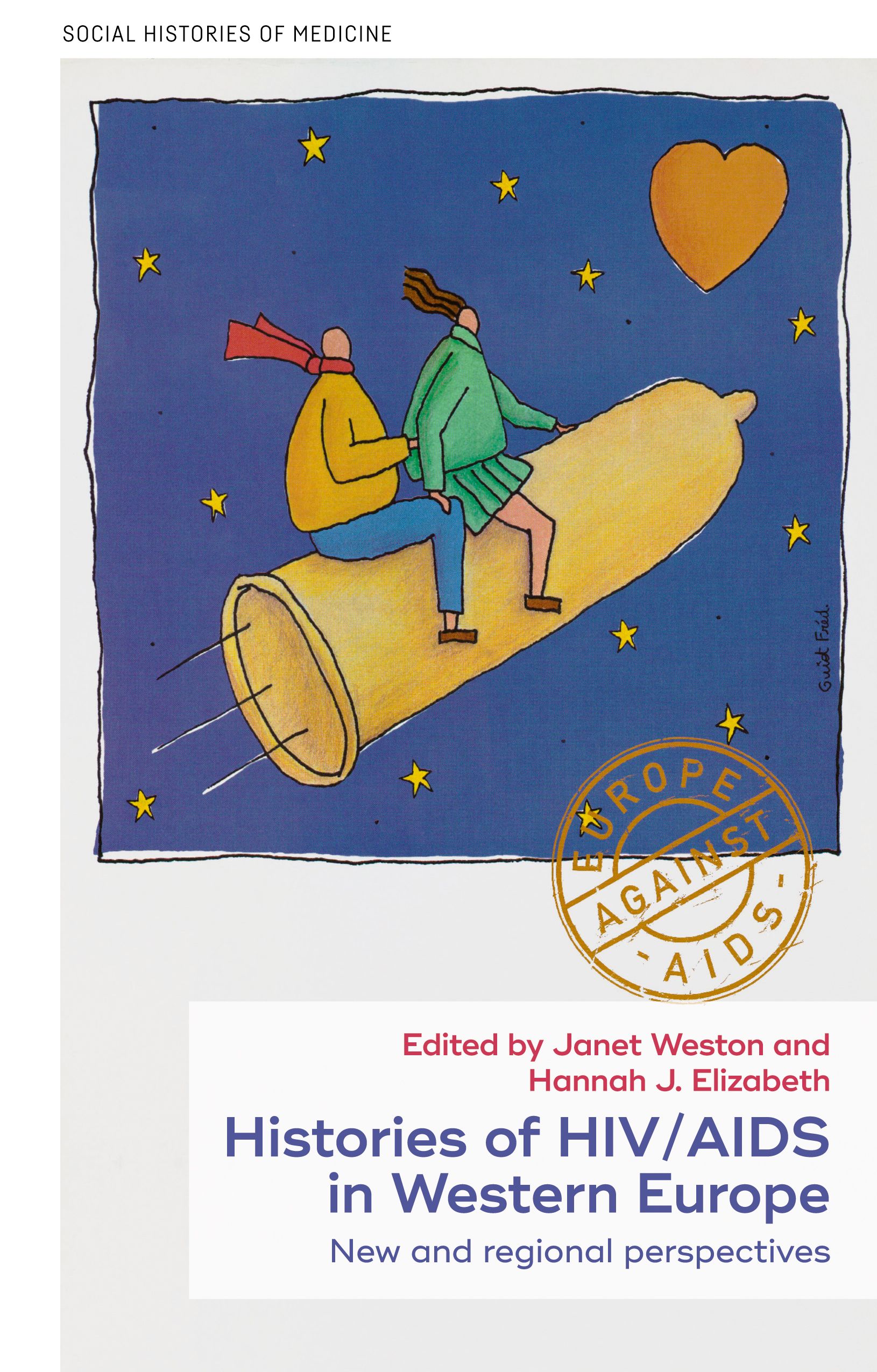
Histories of HIV/AIDS in Western Europe
The early 2020s marked the fortieth anniversary of the first confirmed cases of AIDS and a new wave of historical interest in the ongoing epidemic. This edited collection showcases some of this exciting new work, with a particular focus on less well-known histories from western Europe. Featuring research from social, cultural and public historians, sociologists and area studies scholars, its eight chapters address experiences, events and memories across regions and nations including Scotland, Wales, Italy, Norway and the Netherlands, paying careful attention to often-overlooked groups including drug users, sex workers, nurses, mothers and people in prison. Offering new perspectives on the development and implementation of policy, the nature of activism and expertise and which (or whose) histories are remembered, it is essential reading not only for historians of health but also for all those working in HIV/AIDS studies. Electronic versions of chapters 3, 4, 6, 7 and 8 are available under a creative commons licence: www.manchesterhive.com/view/9781526151223/9781526151223.xml
eBook

Determination of RNA structural diversity and its role in HIV-1 RNA splicing
Human immunodeficiency virus 1 (HIV-1) is a retrovirus with a ten-kilobase single-stranded RNA genome. HIV-1 must express all of its gene products from a single primary transcript, which undergoes alternative splicing to produce diverse protein products that include structural proteins and regulatory factors
1
,
2
. Despite the critical role of alternative splicing, the mechanisms that drive the choice of splice site are poorly understood. Synonymous RNA mutations that lead to severe defects in splicing and viral replication indicate the presence of unknown
cis
-regulatory elements
3
. Here we use dimethyl sulfate mutational profiling with sequencing (DMS-MaPseq) to investigate the structure of HIV-1 RNA in cells, and develop an algorithm that we name ‘detection of RNA folding ensembles using expectation–maximization’ (DREEM), which reveals the alternative conformations that are assumed by the same RNA sequence. Contrary to previous models that have analysed population averages
4
, our results reveal heterogeneous regions of RNA structure across the entire HIV-1 genome. In addition to confirming that in vitro characterized
5
alternative structures for the HIV-1 Rev responsive element also exist in cells, we discover alternative conformations at critical splice sites that influence the ratio of transcript isoforms. Our simultaneous measurement of splicing and intracellular RNA structure provides evidence for the long-standing hypothesis
6
–
8
that heterogeneity in RNA conformation regulates splice-site use and viral gene expression.
Dimethyl sulfate mutational profiling with sequencing, combined with the newly developed DREEM algorithm, reveals that heterogeneity of RNA structure in HIV-1 regulates the use of splice sites and expression of viral genes.
Journal Article

Correction: Impact of bictegravir/emtricitabine/tenofovir alafenamide on health-related quality of life and economic outcomes in HIV care: Substudy of the BIC-NOW clinical trial
[This corrects the article DOI: 10.1371/journal.pone.0323167.].
Journal Article

Ghanaians living with Human Immunodeficiency Virus: social determinants of quality of life
Background
Social variables have a significant impact on the quality of life (QoL) of people living with Human Immunodeficiency Virus/ Acquired Immune Deficiency Syndrome (PLWHA). Understanding how marital status, employment, and current illness influence QoL is critical for establishing holistic care strategies. Using the World Health Organization Quality of Life for HIV – Brief version (WHOQOL-HIV BREF) instrument, this study investigates the association between these socioeconomic variables and quality of life across various domains.
Methods
One hundred and fifty-seven participants living with HIV/AIDS were included in this cross-sectional study. Data were collected using the WHOQOL-HIV BREF questionnaire, which assessed six domains of QoL: Physical Health, Psychological Well-being, Level of Independence, Social Relationships, Environment, and Spirituality/Religion/Personal Beliefs. Data were organized using Microsoft Excel 2019 and analyzed with SPSS Version 26 and R software. Descriptive statistics summarized participant characteristics. Using the Kruskal-Wallis and Wilcoxon rank-sum tests, bivariate analyses identified associations between sociodemographic factors and QoL domains. Variables with p-values less than 0.25 were included in multivariate logistic regression models to identify significant determinants of QoL.
Results
In 157 participants, 70.7% were females, and 69.9% were between the ages of 18 and 39. Participants who were currently married reported higher QoL scores in the physical health domain compared to those not married (median = 18.0 vs. 17.0;
p
= 0.035). Employed individuals had higher scores in level of independence (median = 18.0 vs. 15.0;
p
< 0.001) and social relationships (median = 15.0 vs. 13.5;
p
= 0.031) compared to the unemployed. Participants without a current illness had significantly higher QoL scores across all domains, including physical health (median = 19.0 vs. 14.5;
p
< 0.001) and psychological well-being (median = 16.0 vs. 14.4;
p
< 0.001). Multivariate analysis showed that being unmarried (β = −4.7;
p
= 0.044), unemployed (β = −8.0;
p
= 0.015), and having a current illness (β = −11.0;
p
< 0.001) were significant predictors of lower QoL.
Conclusions
Social determinants of health significantly impact the QoL of PLWHA. Specifically, being unmarried, unemployed, or currently ill was associated with lower QoL across multiple domains. These findings highlight the need for holistic interventions that address social and economic factors in addition to medical care. Enhancing social support, providing employment opportunities, and effectively managing health conditions may improve the overall well-being of PLWHA.
Journal Article

Active and resolved HCV infections among people with new HIV-1 diagnoses in Germany, 2009–2019
Background
HIV and HCV share similar routes of infection. Individuals carrying both viruses experience a faster progression of the liver disease. We have analyzed people with new HIV-1 diagnoses in Germany for active or resolved HCV infection for over ten years. The time period covers the introduction of direct acting antivirals (DAA), a paradigmatic shift in HCV therapy.
Methods
A central component of the HIV surveillance in Germany is the notification of new diagnoses. Residual blood samples from 16,539 people with new HIV-1 diagnoses reported between 2009 and 2019 were examined for HCV antigen and/or antibodies. Reactive cases were further investigated for active or resolved HCV infection by RT-qPCR. The results were analyzed with socio-demographic information from the notification forms.
Results
The study includes samples from 48.0% of all notified HIV-1 diagnoses. The seroprevalence of cases with HCV antigen, antibodies or both, representing active and resolved infections was 6.2% with stable seroprevalence. The average proportion of resolved infections among those was 33.0% with a significant increase since the introduction of DAAs in 2012 (p
Trend_2012-2019
= 0.028) reaching 48.2% in 2019. The highest proportion of active and resolved cases (73.7%) was found in people who inject drugs (PWIDs). This transmission group had the lowest percentage of resolved infections with 29.4%. The proportion of active and resolved cases in persons with heterosexual mode of transmission (HET) and in men who have sex with men (MSM) was 3.8% and 2.6%, respectively. The peak percentage of resolved infections was found in MSM (40.0%), followed by HET (36.6%). The proportion of active and resolved cases among individuals with non-German origin was higher than in people with German origin (8.8%, versus 4.3%;
p
< 0.001) and the proportion of resolved HCV infections lower (27.8% versus 34.0%;
p
= 0.027).
Conclusions
The proportion of resolved HCV infections among people newly diagnosed with HIV-1 increased after the introduction of DAAs in Germany. The high prevalence and the low proportion of resolved HCV infections reveal that unmet diagnostic and therapeutic needs exist among PWIDs. The higher proportion of active and resolved cases among individuals of non-German origin particularly requires greater public health attention.
Journal Article

The Origins of AIDS
It is now thirty years since the discovery of AIDS but its origins continue to puzzle doctors and scientists. Inspired by his own experiences working as an infectious diseases physician in Africa, Jacques Pepin looks back to the early twentieth-century events in Africa that triggered the emergence of HIV/AIDS and traces its subsequent development into the most dramatic and destructive epidemic of modern times. He shows how the disease was first transmitted from chimpanzees to man and then how urbanization, prostitution, and large-scale colonial medical campaigns intended to eradicate tropical diseases combined to disastrous effect to fuel the spread of the virus from its origins in Léopoldville to the rest of Africa, the Caribbean and ultimately worldwide. This is an essential new perspective on HIV/AIDS and on the lessons that must be learnt if we are to avoid provoking another pandemic in the future.
eBook

Interplay Between HIV and Human Pegivirus (HPgV) Load in Co-Infected Patients: Insights from Prevalence and Genotype Analysis
Human pegivirus (HPgV) is transmitted through sexual or parenteral exposure and is common among patients receiving blood products. HPgV is associated with lower levels of human immunodeficiency virus (HIV) RNA and better survival among HIV-infected patients. This study aimed to investigate the prevalence of HPgV and determine its subtypes in HIV-infected individuals living in Istanbul, which has the highest rate of HIV infection in Türkiye. Total RNA extraction from plasma, cDNA synthesis, and nested PCR were performed for HPgV on plasma samples taken from 351 HIV-1-infected patients. The HPgV viral load was quantified on HPgV-positive samples. HPgV genotyping was performed by sequencing the corresponding amplicons. In the present study, the overall prevalence of HPgV RNA in HIV-infected patients was 27.3%. HPgV subtypes 1, 2a, and 2b were found, with subtype 2a being the most frequent (91.6%). Statistical analysis of HIV-1 viral load on HPgV viral load showed an opposing correlation between HIV-1 and HPgV loads. In conclusion, these data show that HPgV infection is common among HIV-positive individuals in Istanbul, Türkiye. Further comprehensive studies are needed to clarify both the cellular and molecular pathways of these two infections and to provide more information on the effect of HPgV on the course of the disease in HIV-infected individuals.
Journal Article
Applying Flow Virometry to Study the HIV Envelope Glycoprotein and Differences Across HIV Model Systems
The HIV envelope glycoprotein (Env) is a trimeric protein that facilitates viral binding and fusion with target cells. As the sole viral protein on the HIV surface, Env is important both for immune responses to HIV and in vaccine designs. Targeting Env in clinical applications is challenging due to its heavy glycosylation, high genetic variability, conformational camouflage, and its low abundance on virions. Thus, there is a critical need to better understand this protein. Flow virometry (FV) is a useful methodology for phenotyping the virion surface in a high-throughput, single virion manner. To demonstrate the utility of FV to characterize Env, we stained HIV virions with a panel of 85 monoclonal antibodies targeting different regions of Env. A broad range of antibodies yielded robust staining of Env, with V3 antibodies showing the highest quantitative staining. A subset of antibodies tested in parallel on viruses produced in CD4+ T cell lines, HEK293T cells, and primary cells showed that the cellular model of virus production can impact Env detection. Finally, in addition to being able to highlight Env heterogeneity on virions, we show FV can sensitively detect differences in Env conformation when soluble CD4 is added to virions before staining.
Journal Article