
Catalogue Search | MBRL


Are you sure you want to remove the book from the shelf?

{{itemTitle}}
5
result(s) for
"Hanbok."
Sort by:
Investigating parameters affecting the real and virtual drapability of silk fabrics for traditional Hanbok
This paper presents research into the parameters affecting the real and virtual drapability of silk fabrics for traditional Hanbok. The KES-FB (Kawabata evaluation system of fabric) and the CLO (3D fashion design software) fabric kit system were used to evaluate the physical properties. The relationships between physical properties and the drape coefficient of silk fabrics were statistically analyzed. It was determined whether the objectified real fabric data could be used and applied as a database when implementing virtual clothing using a 3D virtual clothing program. The KES-FB properties and CLO fabric kit results indicated that the bending property and weight were significantly correlated with the drape coefficient. The bending rigidity and weight per unit area were influential parameters of the drape coefficient. The regression analysis results of both the KES-FB and the CLO fabric kit revealed that bending rigidity and thickness were statistically significantly correlated with the drape coefficient. The bending property was the most determining parameter for the drape coefficient of silk fabrics. A statistically significant difference between the real and virtual drape coefficients of stiffer silk fabrics was found. In the CLO 7.1 program, the accuracy of drape implementation of virtual fabrics was found to be useful when the bending stiffness of the actual fabric was less than 0.089 gf·cm2/cm and the elasticity was more than 1.03%. The results revealed that more research on the program modeling method considering the mechanical and physical properties of the real fabric and its structure is needed.
Journal Article
Exploring direct and indirect cultural experiences: a study of global consumers’ Hanbok experience and engagement mediated via YouTube
With the rapid development of technology and media, people’s experiences of other cultures have shifted from direct only to a combination of direct and virtual experiences. This study investigated how global consumers directly and indirectly experience other cultures, mediated by YouTube. It focused on the consumer experience of the Korean traditional costume, the Hanbok. YouTube content focusing on Hanbok experiences was collected to understand the direct Hanbok experiences, while viewers’ reactions to YouTube content (i.e., views, likes, and comments) were collected to understand indirect Hanbok experiences. The analysis involved two steps. First, the latent Dirichlet allocation topic modeling algorithm in Python was used to extract topics from direct and indirect Hanbok experiences. Second, simple regression analysis was conducted using numerical data derived from textual data through linguistic inquiry and word count to examine the relationship between direct Hanbok experiences via YouTube and viewer engagement as an indicator of indirect Hanbok experiences. The results showed that YouTubers’ Hanbok experiences were categorized into seven topics, namely novelty, sensory, daily, cultural, trial, pleasing, and intellectual experiences. Indirect Hanbok experiences were identified based on dimensions of consumer engagement, such as social, cognitive, learning, behavioral, and affective engagement. The regression analysis results revealed that cultural and affective Hanbok experiences significantly impacted consumer engagement. This study expanded the scope of research by exploring indirect cultural experiences mediated by a media platform.
Journal Article

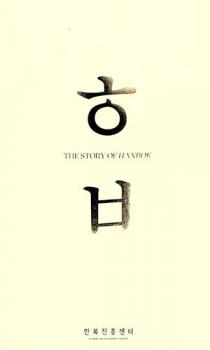
Hanbok : timeless fashion tradition
Hanbok embodies many of the social and aesthetic values of the Korean people. In accordance with the emphasis on social harmony found in Confucian philosophy, the choice of hanbok varied depending on one's position in society. Its beautifully flowing lines and harmonious color schemes are important aesthetic values found in Korean art. Hanbok is increasingly emerging into the spotlight following the popularity of Korean television dramas, which are often set in the past, and also through efforts to promote hanbok on the global stage. Renowned fashion designers around the world have taken note of hanbok and have incorporated elements of hanbok into their own work. This book will examine the origins, history, and the unique characteristics of hanbok and its contemporary standing.
eBook