
Catalogue Search | MBRL


Are you sure you want to remove the book from the shelf?

{{itemTitle}}
32
result(s) for
"History, geographic treatment, biography"
Sort by:
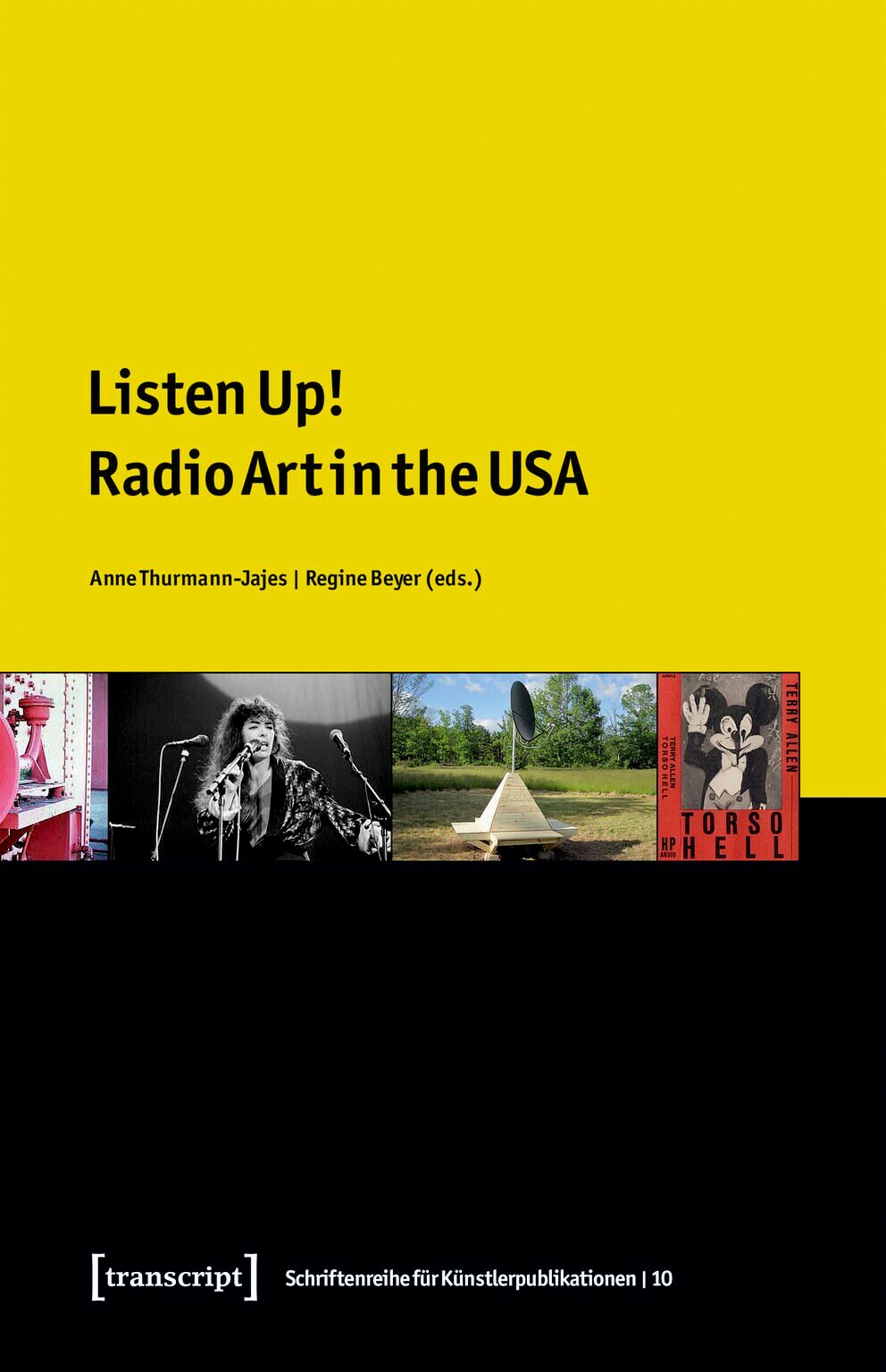
Listen Up!
Listen Up! is the first publication worldwide to take an in-depth look at the development of Radio Art in the United States as a distinct sound art practice. Analytical essays by leading media art historians and practitioners discuss the ways in which a new field took shape in the context of changing broadcast environments and sociopolitical realities from the 1960s through the 1990s. The essays provide engaging reading for scholars, radio producers, and artists, as well as radio enthusiasts and lay audiences. Also included are manifestos and other texts written by Terry Allen, Jacki Apple, John Cage, Don Joyce / Negativland, Max Neuhaus, Pauline Oliveros, Helen Thorington, and others. The material vividly reflects the zeitgeist of the period and proposes trajectories for new research into fascinating yet still largely unexplored territories.
eBook
The Depths of Illusion
Are computer simulations theory, experiment, or something in between? Anne Dippel and Martin Warnke explore the epistemological status of computer simulations. By examining the erosion of concept-based truth in the digital age in combination with pathways of knowledge in physics, they offer a media ethnography of the famous quantum physics double-slit experiment and its simulation. Recognizing simulations as central to shaping reality and multiplying illusions, the authors propose \"operational realism\" as epistemic composure in the digital era. The work raises ethical questions about algorithmic world design, offering humor, revelations, and insights into new ontologies of knowledge.
eBook
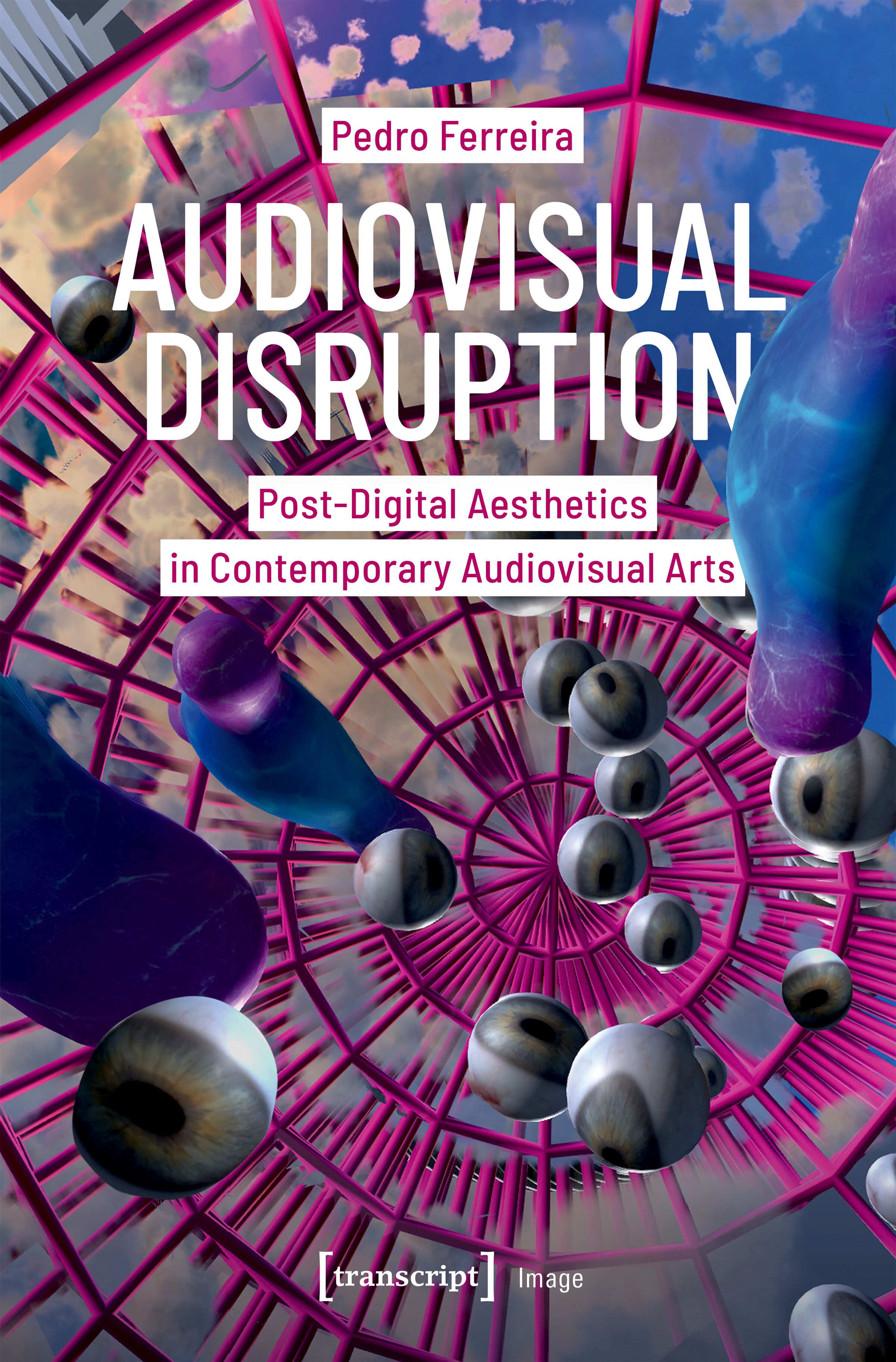
Audiovisual Disruption
Post-digital art suggests a form of embodiment of digital technologies that unfolds in physical space through hands-on material approaches, and even the repurposing of older analogue media.Pedro Ferreira examines these aesthetics in contemporary audiovisual arts as reactions to our post-digital condition.
eBook
East Central European Art Histories and Austria
The specific role of the Austro-Hungarian Empire and the later nation of Austria within the formation of regional art histories in East Central Europe has received little attention in art historical research so far.
eBook
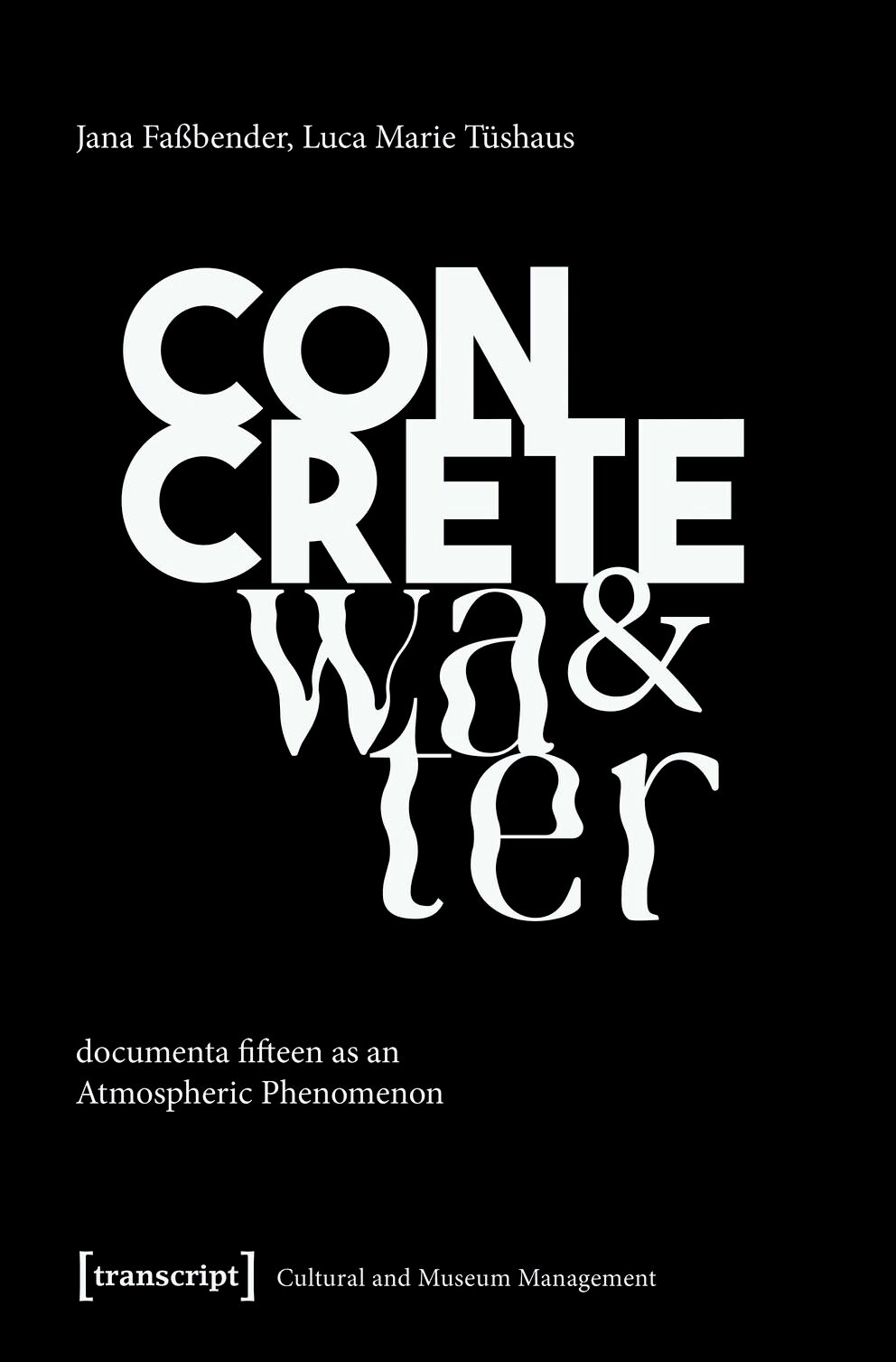
Concrete and Water
Organizations are not only functional structures but equally defined through their humans, objects, spaces and practices in relation with each other. From this perspective, Jana Faßbender and Luca Marie Tüshaus engage ethnographically and conceptually with the contemporary art exhibition documenta fifteen. Offering a deep dive into its preparation, execution, and impact through immersive fieldwork, they explore the exhibition's unique atmospheric forces and organizational aesthetics from within. This rich and reflexive investigation is composed entirely in dialogue, and proposes a new vocabulary of atmospheres in organizations.
eBook
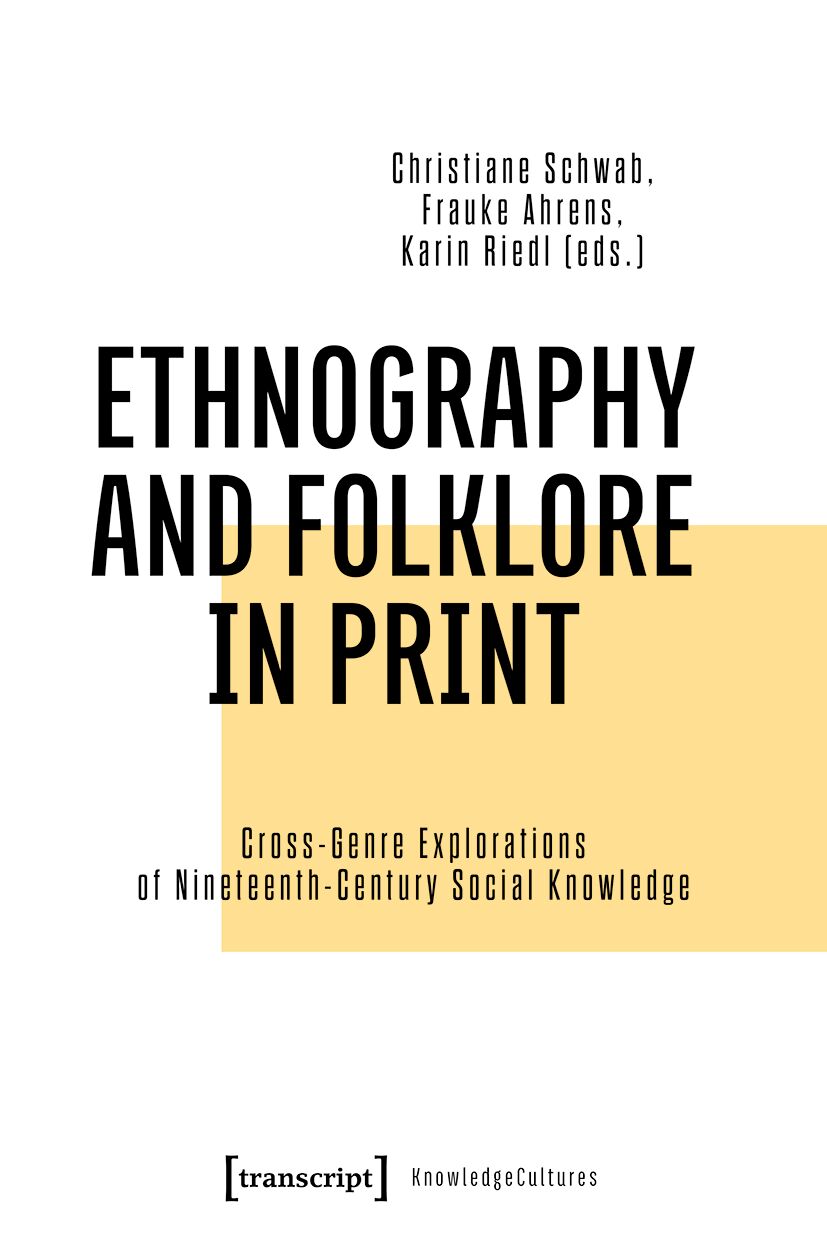
Ethnography and Folklore in Print
Throughout the nineteenth century, social expressions and
dynamics have been reflected in the surge of various printed
products. The contributors analyze a diverse range of sources,
such as caricatures, journalistic reports, travelogues,
scholarly volumes, social novels, and fairytale collections,
viewing them as early manifestations of social knowledge and
ethnographic representation situated at the confluence of
›popular‹ and ›scientific‹ publishing.
Their comprehensive exploration unveils alternative contexts
and dimensions of early ethnographic knowledge production,
providing insights into a history of social knowledge that
surpasses disciplinary, national, and genre-related
boundaries.
eBook
The Cultures of Entanglement
The symbolic meaning of plants, their relevance to religion and the metaphorical provocations in the order of knowledge, culture and political power underline the role of plants as something more than passive objects.
eBook
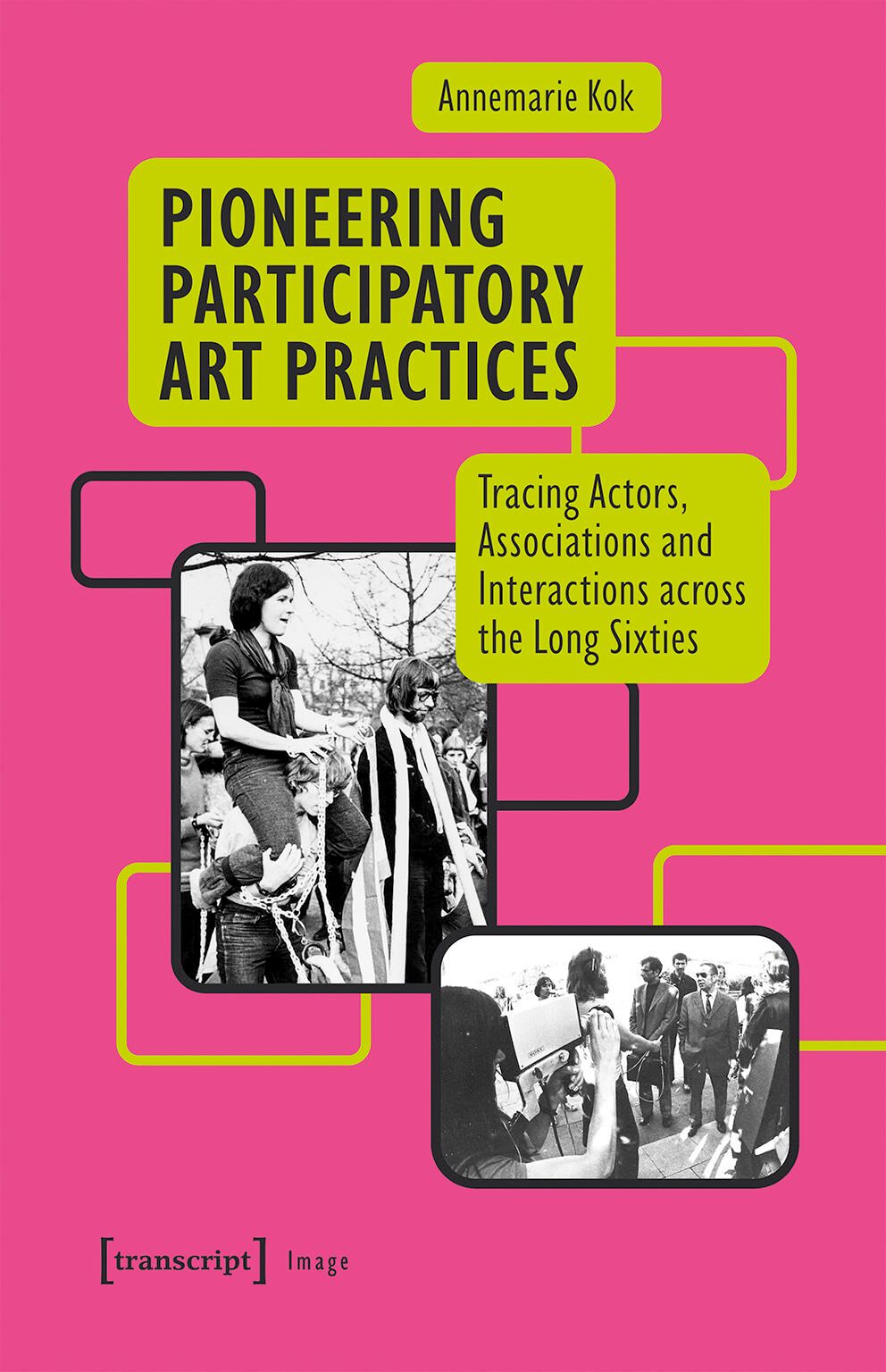
Pioneering Participatory Art Practices
Participatory art practices allow members of an audience to actively contribute to the creation of art.Annemarie Kok provides a detailed analysis and explanation of the use of participatory strategies in art in the so-called long sixties (starting around 1958 and ending around 1974) in Western Europe.
eBook
Narrating Experiences of Alzheimer's Through the Arts
While Alzheimer's might be associated with a difficulty to express oneself, Ana Paula Barbosa-Fohrmann addresses this topic by examining experiences with Alzheimer's based on narratives.In this original contribution, she studies the nexus of life stories, subjectivity, fragmentation, and fiction.
eBook
Verpackungen der Literatur
Warum Verpackungen und Oberflächen für die Literatur so wichtig sind - medienästhetische Perspektiven auf Cover, Buchumschläge und Layout.
eBook