
Catalogue Search | MBRL


Are you sure you want to remove the book from the shelf?

{{itemTitle}}
614
result(s) for
"Hospitals Fiction."
Sort by:

You're in good paws
\"When Leo arrives at the hospital, he is surprised to find it run by animals!\"--Provided by publisher.
Book
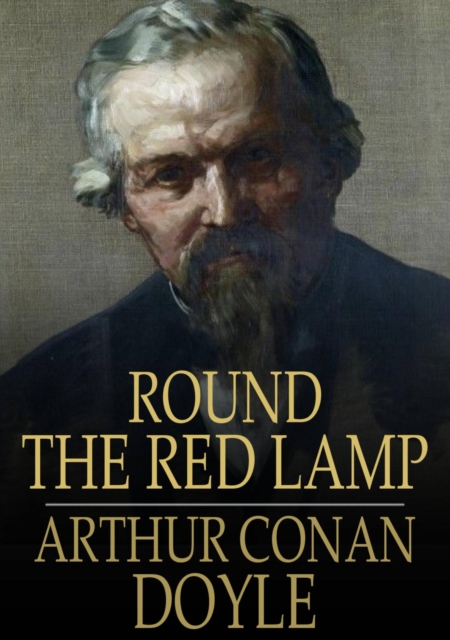
Round the Red Lamp
Today, he is acclaimed as one of the most famous originators of the genre of detective fiction, but Sir Arthur Conan Doyle's literary talents were broad, and he dabbled in many styles and themes over the course of his career.
eBook

Good-bye tonsils!
A young girl describes what happens when she goes to the hospital to have her tonsils removed.
Book
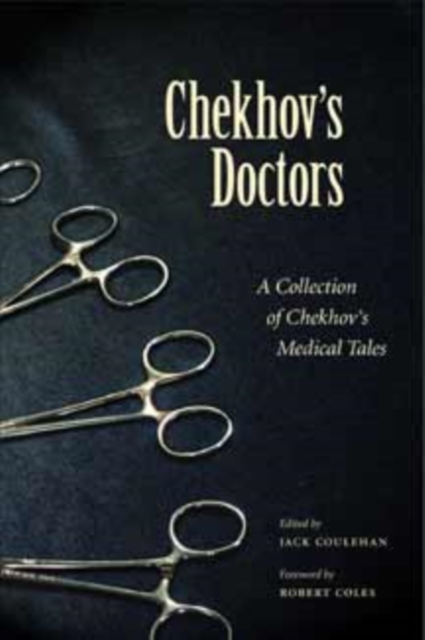
Chekhov's doctors : a collection of Chekhov's medical tales
In his brief but distinguished life, Anton Chekhov was a doctor, a documentary essayist, an admired dramatist, and a humanitarian.He remains a nineteenth-century Russian literary giant whose prose continues to offer moral insight and to resonate with readers across the world.
eBook


The Grim Reader
Many authors draw from headlines or movies rather than
personal experience to write drug-related scenes, and the result
may be more fiction than fact. So, how can you craft a convincing
scene involving accidental use of fentanyl-tainted pot or a murder
attempt with grandma's pain pills?
A much-needed resource, The Grim Reader details how to
write medical scenarios that result in realistic page-turners. As
drug inaccuracies multiply in screenplays, scripts, novels, and
audio plays, Dr. Miffie Seideman, Pharm.D. provides writers (and
editors) with the background and authenticity necessary to develop
plausible plotlines, including:
• Pertinent drug facts, tips, and symptoms • Symptom timelines •
Tips for developing historically accurate scenes • Common street
drug names and slang • Sample scenarios to demonstrate how to weave
the information into a believable scene • Writing prompts to
provide scene starters and offer practice
Combining Seideman's pharmacology knowledge with her love for
creative writing, The Grim Reader is the ultimate guide to
help authors craft accurate drug scenes and avoid medical
mistakes.
eBook

Where is Grandma? : my trip to the hospital
A small boy visits the hospital with his nanny. While she is outside talking to her friend on the phone he asks for his grandma at the information desk. He does not know Grandma's name so settles down to wait for his nanny. Bored with a long wait he sets off to find Grandma himself! He meets a lot of people who are not Grandma and learns a lot about the hospital on his journey.
Book


The hostile hospital
On the run after being falsely accused of murder, the three Baudelaire orphans find themselves in the Heimlich Hospital, with the evil Count Olaf in close pursuit.
Book

From the Ground Up
'ÄúEveryone in a hospital leadership role should read this book as it offers a wealth of practical advice for organizations intent on improving their clinical care delivery.'Äù
'ÄîAmy C. Edmondson, professor, Harvard Business School, and author of The Fearless Organization
All Americans deserve and should have access to high quality, affordable healthcare services delivered by professionals who have sufficient time and resources to care for them. This book offers proven and practical approaches for redesigning healthcare organizations to be less fragmented'Äîand more patient-centered'Äîby tapping into the experiences of staff on the front lines of patient care.
Peter Lazes and Marie Rudden show how collaboration and active communication among administrators, medical staff, and patients are a core element of a successful organizational change effort. Through case studies and the direct voices and experiences of frontline workers, they explore exactly what it takes to effectively engage staff and providers in improving the patient care shortcomings within their institutions.
This book not only is a manual detailing what can be achieved when frontline staff have a direct voice in controlling their practice environments but was written to show how to accomplish transformative changes in how our hospitals and outpatient clinics work. At a time when the massive gaps in our healthcare systems have been laid bare by the fragmented responses to the COVID-19 pandemic, this book offers hope and a plan for change.
eBook