
Catalogue Search | MBRL


Are you sure you want to remove the book from the shelf?

{{itemTitle}}
1,245
result(s) for
"Human ecology China History."
Sort by:

Sediments of time : environment and society in Chinese history
Written by some of the world's leading experts, 'Sediments of Time' offers a survey of the environmental history of China. Crystallising a new and distinct field of research, the book studies the effect of human social systems on the natural world.
Book

retreat of the elephants
This is the first environmental history of China during the three thousand years for which there are written records. It is also a treasure trove of literary, political, aesthetic, scientific, and religious sources, which allow the reader direct access to the views and feelings of the Chinese people toward their environment and their landscape.Elvin chronicles the spread of the Chinese style of farming that eliminated the habitat of the elephants that populated the country alongside much of its original wildlife; the destruction of most of the forests; the impact of war on the environmental transformation of the landscape; and the re-engineering of the countryside through water-control systems, some of gigantic size. He documents the histories of three contrasting localities within China to show how ecological dynamics defined the lives of the inhabitants. And he shows that China in the eighteenth century, on the eve of the modern era, was probably more environmentally degraded than northwestern Europe around this time.Indispensable for its new perspective on long-term Chinese history and its explanation of the roots of China's present-day environmental crisis, this book opens a door into the Chinese past.
eBook

Empire and the environment in the making of Manchuria
\"This unique and compelling analysis of Manchuria's environmental history demonstrates how the region's geography shaped China's past. Since the seventeenth century, the call of the Manchurian wilderness, with its abundant wildlife, timber, and mining deposits, has led some of the greatest empires in the world to do battle for its riches. Chinese, Japanese, Manchu, Russian, and other imperial forces have defied unrelenting summers and unforgiving winters as they fought for sovereignty over this vast \"frontier.\" Until now, historians have focused on rivalries between Manchuria's colonizing forces. Empire and Environment in the Making of Manchuria examines the interplay of climate and competing imperial interests in the region's vibrant--and violent--cultural narrative. Families that settled this borderland reaped its riches while at the mercy of an unforgiving and hotly contested landscape. As China's strength as a world leader continues to grow, this volume invites further exploration of the indelible links between empire and environment. The role of Manchuria in China's social and political evolution provides context for understanding how the geopolitical future of this global economic powerhouse is rooted in its past.\"-- Provided by publisher.
Book

Yangzi waters : transforming the water regime of the Jianghan Plain in late imperial China
An in-depth study of evolving state-society-environment relationships of the Jianghan Plain in late imperial China, as well as the transformation of landscape and waterscape in central China through lenses that have been overlooked in previous scholarship.
eBook

China : an environmental history
\"Now in an updated edition, this deeply informed and beautifully written book provides a comprehensive and comprehensible history of China from prehistory to the present. Focusing on the interaction of humans and their environment, Robert B. Marks traces changes in the physical and cultural world that is home to a quarter of humankind\"--Provided by publisher.
Book

Chinese Perspectives on the Environment and Sustainable Development
The authors examine the status quo, as well as the challenges of and possible solutions of China's environment problems. It provides us with the most authoritative points of view on environmental protection and sustainable development in China.
eBook


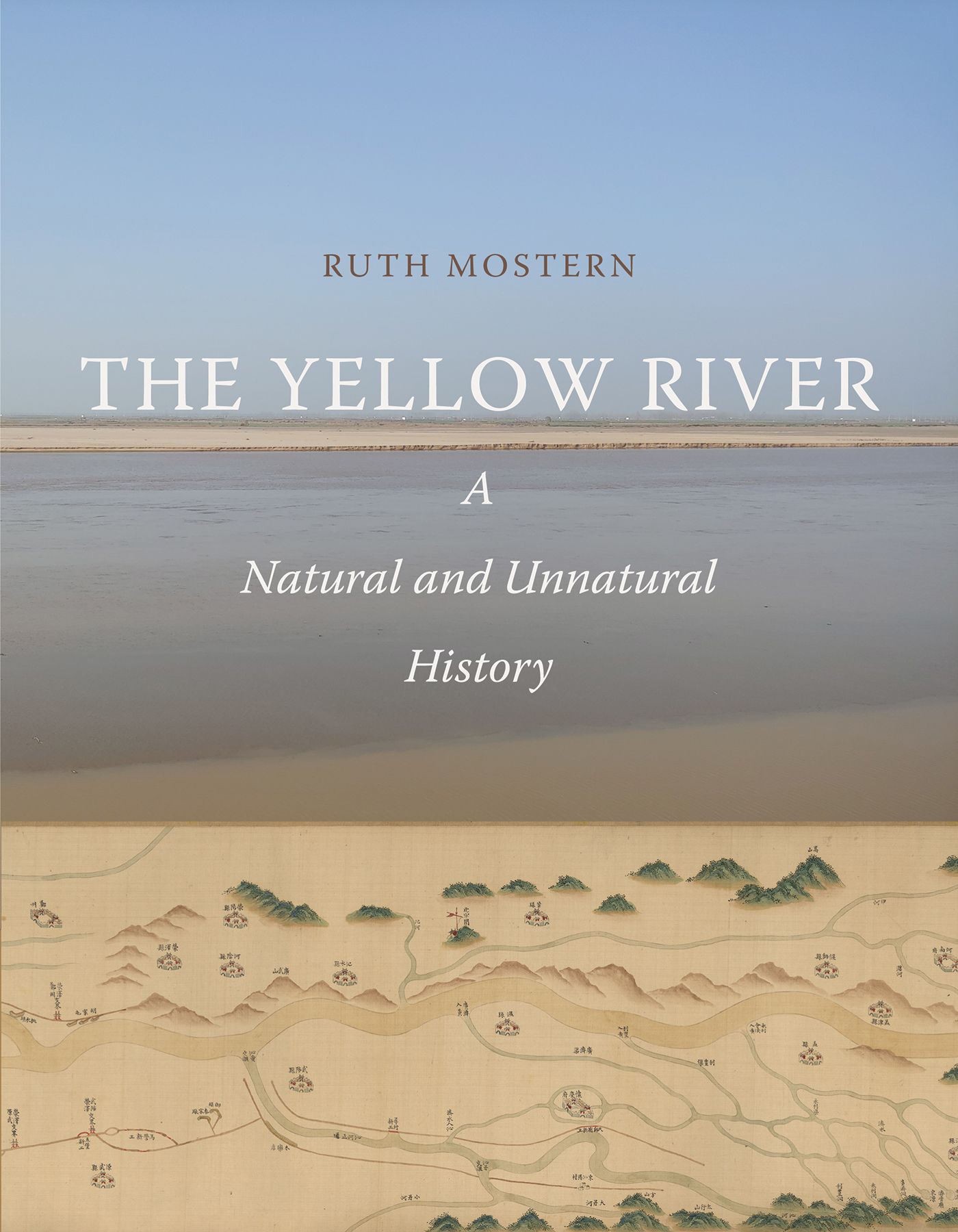
The Yellow River : a natural and unnatural history
A three-thousand-year history of the Yellow River and the legacy of interactions between humans and the natural landscape From Neolithic times to the present day, the Yellow River and its watershed have both shaped and been shaped by human society. Using the Yellow River to illustrate the long-term effects of environmentally significant human activity, Ruth Mostern unravels the long history of the human relationship with water and soil and the consequences, at times disastrous, of ecological transformations that resulted from human decisions. As Mostern follows the Yellow River through three millennia of history, she underlines how governments consistently ignored the dynamic interrelationships of the river's varied ecosystems—grasslands, riparian forests, wetlands, and deserts—and the ecological and cultural impacts of their policies. With an interdisciplinary approach informed by archival research and GIS (geographical information system) records, this groundbreaking volume provides unique insight into patterns, transformations, and devastating ruptures throughout ecological history and offers profound conclusions about the way we continue to affect the natural systems upon which we depend.
eBook
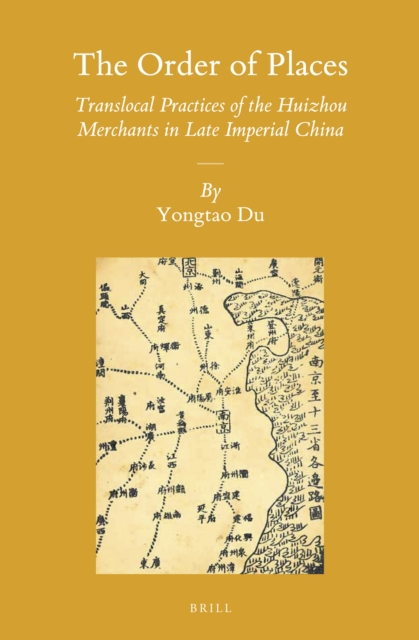
The Order of Places
In The Order of Places Yongtao Du tells a story of how the increase in geographical mobility in sixteenth through eighteenth century China brought about new understandings of spatial order in the world's most enduring empire.
eBook