
Catalogue Search | MBRL


Are you sure you want to remove the book from the shelf?

{{itemTitle}}
2
result(s) for
"Human-animal relationships Great Britain History 18th century."
Sort by:

Animal companions : pets and social change in eighteenth-century Britain
\"Explores how thinking about pets in eighteenth-century Britain reflected and influenced the great social and cultural debates of the day, including struggles over gender, race, class, and national identity\"--Provided by publisher.
Book
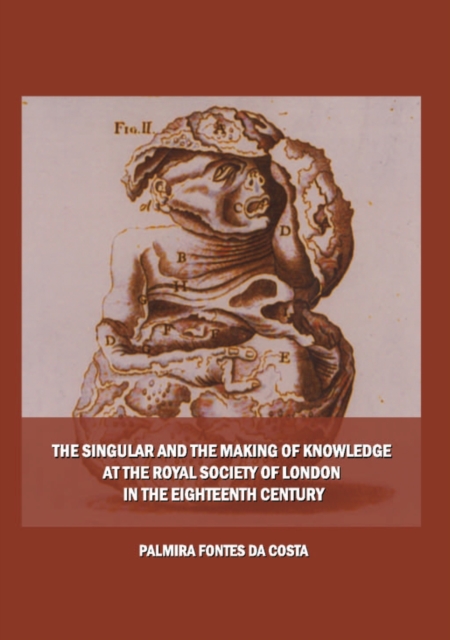
The singular and the making of knowledge at the Royal Society of London in the eighteenth century
The central subject of this book is the status of singular experiences in the making of natural knowledge at the Royal Society of London in the eighteenth century. It makes a significant contribution to our understanding of the importance of the reporting and display of extraordinary phenomena at the Royal Society in this period, and shows that the success of these practices was largely based on their multiple roles within the Society, where singular experiences not only promoted natural hist.
eBook