
Catalogue Search | MBRL


Are you sure you want to remove the book from the shelf?

{{itemTitle}}
137
result(s) for
"Human-animal relationships Moral and ethical aspects."
Sort by:

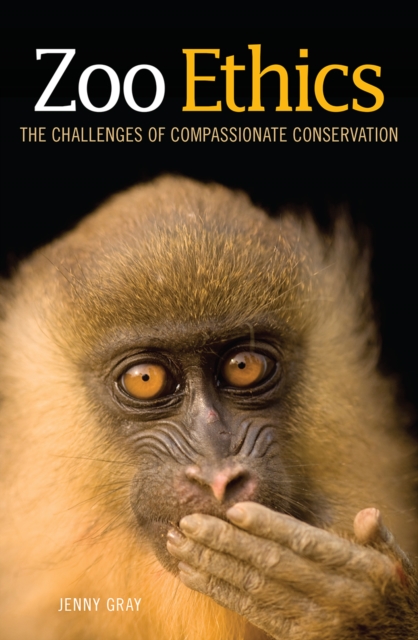
Zoo Ethics
Well-run modern zoos and aquariums do important research and conservation work and teach visitors about the challenges of animals in the wild and the people striving to save them. They help visitors to consider their impact and think about how they can make a difference. Yet for many there is a sense of disquiet and a lingering question remains - can modern zoos be ethically justified? Zoo Ethics examines the workings of modern zoos and considers the core ethical challenges that face those who choose to hold and display animals in zoos, aquariums or sanctuaries. Using recognised ethical frameworks and case studies of 'wicked problems', this book explores the value of animal life and the impacts of modern zoos, including the costs to animals in terms of welfare and the loss of liberty. It also considers the positive welfare and health outcomes of many animals held in zoos, the increased attention and protection for their species in the wild, and the enjoyment and education of the people who visit zoos. A thoughtfully researched work written in a highly readable style, Zoo Ethics will empower students of animal ethics and veterinary sciences, zoo and aquarium professionals and interested zoo visitors to have an informed view of the challenges of compassionate conservation and to develop their own defendable, ethical position.
eBook

The Ethics of Species
We are causing species to go extinct at extraordinary rates, altering existing species in unprecedented ways and creating entirely new species. More than ever before, we require an ethic of species to guide our interactions with them. In this book, Ronald L. Sandler examines the value of species and the ethical significance of species boundaries and discusses what these mean for species preservation in the light of global climate change, species engineering and human enhancement. He argues that species possess several varieties of value, but they are not sacred. It is sometimes permissible to alter species, let them go extinct (even when we are a cause of the extinction) and invent new ones. Philosophically rigorous, accessible and illustrated with examples drawn from contemporary science, this book will be of interest to students of philosophy, bioethics, environmental ethics and conservation biology.
eBook

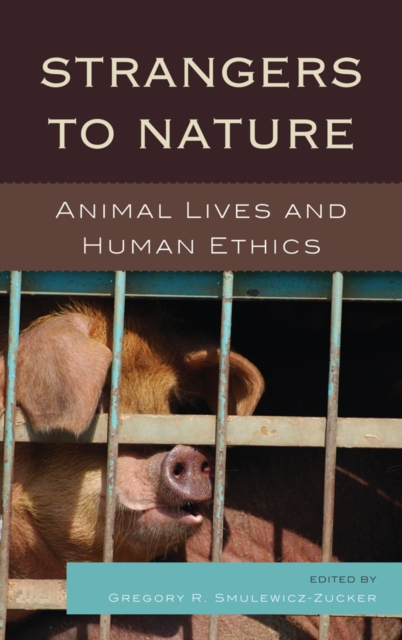
Strangers to nature
Strangers to Nature challenges a reading public that has grown complacent with the standard framework of the animal ethics debate. Human influence on, and the control of, the natural world has greater consequences than ever, making the human impact on the lives of animals more evident. We cannot properly interrogate our conduct in the world without a deeper understanding of how our actions affect animals. It is crucial that the human-animal relationship become more central to ethical inquiry. This volume brings together many of the leading scholars who work to redefine and expand the discourse on animal ethics. The contributors examine the radical developments that change how we think about the status of non-human animals in our society and our moral obligations. Strangers to Nature will engage both scholars and lay-people by revealing the breadth of theorizing about current human/non-human animal relationships.
eBook


Just Fodder
Just Fodder addresses ethical and political questions arising from thinking about animals as eaters rather than as foodstuffs. Josh Milburn offers a novel theory of animal rights that insists that figuring out the full range of our obligations to animals requires asking questions about the nature and circumstances of our relationships with them.
eBook

Zoopolis : a political theory of animal rights
Zoopolis offers a new agenda for the theory and practice of animal rights. Most animal rights theory focuses on the intrinsic capacities or interests of animals, and the moral status and moral rights that these intrinsic characteristics give rise to. Zoopolis shifts the debate from the real of moral theory and applied ethics to the realm of political theory, focusing on the relational obligations that arise from the varied ways that animals relate to human societies and institutions. Building on recent developments in the political theory of group-differentiated citizenship, Zoopolis introduces us to the genuine \"political animal.\" It argues that different types of animals stand in different relationships to human political communities. Domesticated animals should be seen as full members of human-animal mixed communities, participating in the cooperative project of shared citizenship. Wilderness animals, by contrast, form their own sovereign communities entitled to protection against colonization, invasion, domination, and other threats to self-determination. \"Liminal\" animals who are wild but live in the midst of human settlement (such as crows or raccoons) should be seen as \"denizens\", residents of our societies, but not fully included in rights and responsibilities of citizenship. To all of these animals we owe respect for their basic inviolable rights, but we inevitably and appropriately have very different relations with them, with different types of obligations. Humans and animals are inextricably bound in a complex web of relationships, and Zoopolis offers an original and profoundly affirmative vision of how to ground this complex web of relations on principles of justice and compassion.
Book

Ethics of Life
The contributors ask the following questions: • What are the
different rhetorical strategies employed by writers, artists,
filmmakers, and activists to react to the degradation of life and
climate change? • How are urban movements using environmental
issues to resist corporate privatization of the commons? • What is
the shape of Spanish debates on reproductive rights and
biotechnology? • What is the symbolic significance of the
bullfighting debate and other human/animal issues in today's
political turmoil in Spain? Hispanic Issues Series
Nicholas Spadaccini, Editor-in-Chief Hispanic Issues
Online hispanicissues.umn.edu/online_main.html
eBook