
Catalogue Search | MBRL


Are you sure you want to remove the book from the shelf?

{{itemTitle}}
38
result(s) for
"Imaginary letters"
Sort by:

The pharos gate : Griffin & Sabine's lost correspondence
\"Here to celebrate that anniversary is the final volume in Griffin and Sabine's story a book that can be enjoyed as a singular reading experience or in conjunction with the series as a whole. The Pharos Gate rejoices in the book as physical object, weaving together word and image in beautifully illustrated postcards and removable letters that reveal a sensual and metaphysical romance, one full of mystery and intrigue.\"--Publisher marketing.
Book

Ancient epistolary fictions : the letter in Greek literature
A comprehensive look at the use of imaginary letters in Greek literature, first published in 2001. The book challenges the notion that Ovid 'invented' the fictional letter form in the Heroides and considers a wealth of Greek antecedents for the later European epistolary novel tradition.
eBook

Alciphronis Rhetoris Epistularum Libri IV
No detailed description available for \"Alciphronis Rhetoris epistularum libri IV\".
eBook

Mary Anne's bad-luck mystery
A discarded chain letter augers a series of bad events for Mary Anne, who is plagued by bad luck and a threatening note demanding a midnight meeting on Old Man Sutcliff's grave.
CHILDBOOK
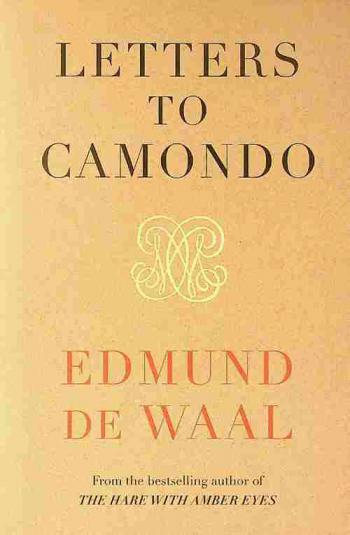
Letters to Camondo
Count Moïse de Camondo lived a few doors away from Edmund de Waal's forebears, the Ephrussi, first encountered in his bestselling memoir The Hare with Amber Eyes. Like the Ephrussi, the Camondos were part of belle époque high society. They were also targets of anti-semitism. Camondo created a spectacular house and filled it with the greatest private collection of French eighteenth-century art for his son to inherit. But when Nissim was killed in the First World War, it became a memorial and, on the Count's death, was bequeathed to France. The Musée Nissim de Camondo has remained unchanged since 1936. Edmund de Waal explores the lavish rooms and detailed archives and uncovers new layers to the family story. In a haunting series of letters addressed to the Count, he tells us what happened next.