
Catalogue Search | MBRL


Are you sure you want to remove the book from the shelf?

{{itemTitle}}
721
result(s) for
"India Periodicals"
Sort by:

Everyday Reading
During the two difficult decades immediately following the 1947
Indian Independence, a new, commercially successful print culture
emerged that articulated alternatives to dominant national
narratives. Through what Aakriti Mandhwani defines as middlebrow
magazines-like Delhi Press's Saritā -and the first
paperbacks in Hindi-Hind Pocket Books-North Indian middle classes
cultivated new reading practices that allowed them to reimagine
what it meant to be a citizen. Rather than focusing on individual
sacrifices and contributions to national growth, this new print
culture promoted personal pleasure and other narratives that
enabled readers to carve roles outside of official prescriptions of
nationalism, austerity, and religion. Utilizing a wealth of
previously unexamined print culture materials, as well as paying
careful attention to the production of commercial publishing
companies and the reception of ordinary reading
practices-particularly those of women- Everyday Reading
offers fresh perspectives into book history, South Asian literary
studies, and South Asian gender studies.
eBook
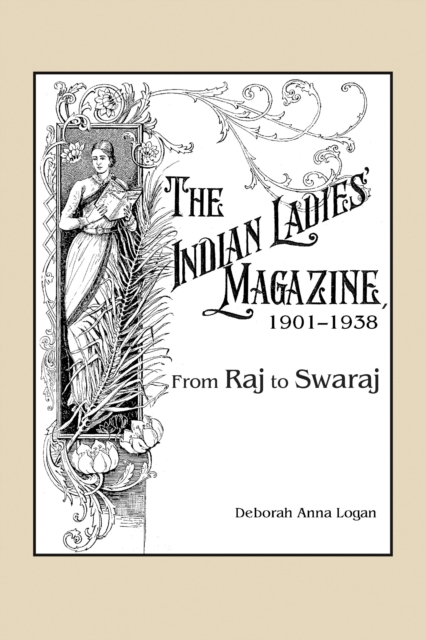
The Indian ladies' magazine, 1901-1938 : from Raj and Swaraj
This book examines the varied influences and accomplishments of the Indian Ladies' Magazine, the first Indian magazine established and edited by an Indian woman—Kamala Satthianadhan—in English, written by women, for women. Influences include Victorian, Edwardian, and Modern literature and culture as well as traditional Indian literature and culture during the late colonial, pre-independence period. More than a literary journal, this publication also addressed social reforms, from \"ladies' philanthropy\" to \"women's mission to women\"; the emergence of Indian \"identity politics\" in response to the nationalist and independence movements; the Indian Woman Question in the context of female education debates and shifting concepts of \"womanliness\"; cultural exchanges recorded by Indian travelers to America; and the emergence of Indian nationalism, between World Wars I and II, leading to independence. This publication recorded and participated in the most pivotal moment in modern Indian history and did so by appealing to both the conservative and progressive socio-political urges marking the era.
eBook
The Internal Debate on the Indian Nuclear Weapons Program: Some Preliminary Observations
Provides observations on internal debate in India about nuclear weapons program, noting arguments for and against development of nuclear weapons in India, implications for U.S. policy, and related topics.
Government Document