
Catalogue Search | MBRL


Are you sure you want to remove the book from the shelf?

{{itemTitle}}
35
result(s) for
"Indians of North America -- Kings and rulers -- Biography"
Sort by:
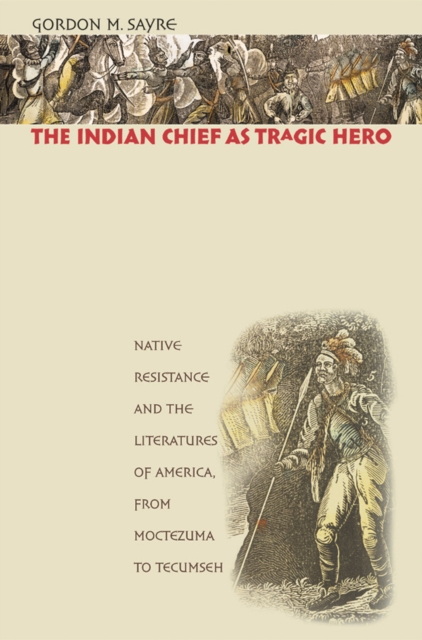
The Indian chief as tragic hero : native resistance and the literatures of America, from Moctezuma to Tecumseh
The leaders of anticolonial wars of resistance--Metacom, Pontiac, Tecumseh, and Cuauhtemoc--spread fear across the frontiers of North America. Yet once defeated, these men became iconic martyrs for postcolonial national identity in Canada, the United States, and Mexico. By the early 1800s a craze arose for Indian tragedy on the U.S. stage, such as John Augustus Stone's Metamora, and for Indian biographies as national historiography, such as the writings of Benjamin Drake, Francis Parkman, and William Apess.With chapters on seven major resistance struggles, including the Pueblo Revolt of 1680 and the Natchez Massacre of 1729, The Indian Chief as Tragic Hero offers an analysis of not only the tragedies and epics written about these leaders, but also their own speeches and strategies, as recorded in archival sources and narratives by adversaries including Hernan Cortes, Antoine-Simon Le Page du Pratz, Joseph Doddridge, Robert Rogers, and William Henry Harrison. Sayre concludes that these tragedies and epics about Native resistance laid the foundation for revolutionary culture and historiography in the three modern nations of North America, and that, at odds with the trope of the complaisant \"vanishing Indian,\" these leaders presented colonizers with a cathartic reproof of past injustices.
eBook

Legends of American Indian resistance
\"This book describes the plight of Native Americans from the 17th through the 20th century as they struggled to maintain their land, culture, and lives, and the major Indian leaders who resisted the inevitable result\"-- Provided by publisher.
BOOK
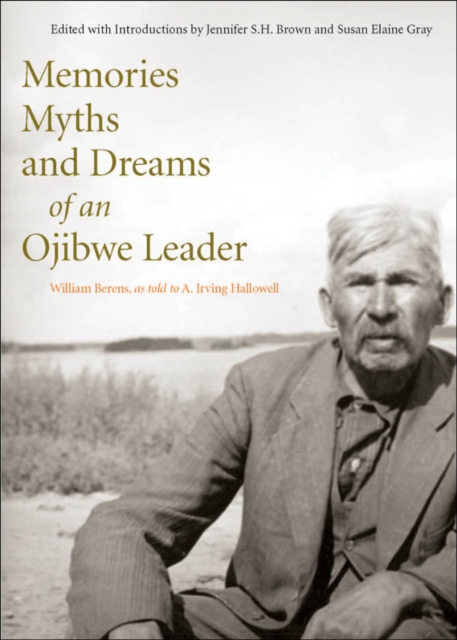
Memories, Myths, and Dreams of an Ojibwe Leader
Because the elderly chief wanted his visitor to understand the Ojibwe world, and because Hallowell was deeply interested in his subject matter and was such a good listener, Berens freely related his dreams and other stories about encounters with powerful beings. The fact that he also shared traditional myths in summer, when Ojibwe people thought it dangerous to discuss such things, shows the depth of his relationship with Hallowell. Berens' reminiscences and story and myth texts are unparalleled as sources for the life, experiences, and outlook of this important Ojibwe leader, and for the insights they provide into the history and culture of his people.
eBook

The heart of everything that is
From bestselling authors Bob Drury and Tom Clavin comes the epic, untold story one of the most powerful Sioux warriors of all time, Red Cloud--now adapted for a younger audience!
Book


Unconquerable
Unconquerable is John Milton Oskison's biography of John
Ross, written in the 1930s but unpublished until now. John Ross was
principal chief of the Cherokees from 1828 to his death in 1866.
Through the story of John Ross, Oskison also tells the story of the
Cherokee Nation through some of its most dramatic events in the
nineteenth century: the nation's difficult struggle against
Georgia, its forced removal on the Trail of Tears, its internal
factionalism, the Civil War, and the reconstruction of the nation
in Indian Territory west of the Mississippi. Ross remains one of
the most celebrated Cherokee heroes: his story is an integral part
not only of Cherokee history but also of the history of Indian
Territory and of the United States. With a critical introduction by
noted Oskison scholar Lionel Larré, Unconquerable sheds
light on the critical work of an author who deserves more attention
from both the public and scholars of Native American studies.
eBook
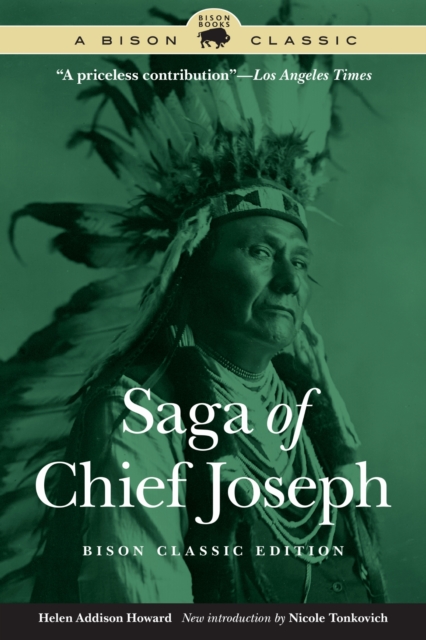
Saga of Chief Joseph
In Saga of Chief Joseph, Helen Addison Howard has written the definitive biography of the great Nez Perce chief, a diplomat among warriors. In times of war and peace, Chief Joseph exhibited gifts of the first rank as a leader for peace and tribal liberty. Following his people's internment in Indian Territory in 1877, Chief Josephsecured their release in 1885 and led them back to their home country. Fiercely principled, he never abandoned his quest to have his country, the Wallowa Valley, returned to its rightful owners. The struggle of the Nez Perces for the freedom they considered paramount in life constitutes one of the most dramatic episodes inIndian history. This completely revised edition of the author's 1941 version(titled War Chief Joseph) presents in exciting detail the full story of Chief Joseph, with a reevaluation of the five bands engaged in the Nez Perce War, told from the Indian, the white military, and the settlerpoints of view. Especially valuable is the reappraisal, based on significant new material from Indian sources, of Joseph as a war leader. The new introduction by Nicole Tonkovich explores the continuing relevance of Chief Joseph and the lasting significance of Howard's work during the era of Angie Debo, Alice Marriott, and Muriel H. Wright.
eBook

Tulalip, From My Heart
InTulalip, From My Heart, Harriette Shelton Dover describes her life on the Tulalip Reservation and recounts the myriad problems tribes faced after resettlement. Born in 1904, Dover grew up hearing the elders of her tribe tell of the hardships involved in moving from their villages to the reservation on Tulalip Bay: inadequate supplies of food and water, harsh economic conditions, and religious persecution outlawing potlatch houses and other ceremonial practices.
Dover herself spent ten traumatic months every year in an Indian boarding school, an experience that developed her political consciousness and keen sense of justice. The first Indian woman to serve on the Tulalip board of directors, Dover describes her experiences in her own personal, often fierce style, revealing her tribe's powerful ties and enduring loyalty to land now occupied by others.
eBook

Pushmataha
Comprises two valuable, original, and difficult-to-find
pieces on Choctaw history and culture that originally appeared
in the 1904 and 1906 volumes of
Publications of the Mississippi Historical
Society This important book comprises two
articles that appeared in the 1904 and 1906 volumes of
Publications of the Mississippi Historical Society . In
“Life of Apushimataha,” Gideon Lincecum tells the
story of Choctaw chief Pushmataha, who was born in Mississippi
in 1764. A fearless warrior, his name literally means
“one whose tomahawk is fatal in war or hunting.” As
a charismatic leader, his foresight in making an alliance with
General Andrew Jackson brought the Choctaws into war with the
Creek Nation and into the War of 1812 but served to their
benefit for many years with the United States government. In
1824, Pushmataha traveled to Washington, DC, to negotiate the
Treaty of Doak’s Stand as pressure grew for Choctaw
removal to Oklahoma Territory, but he fell ill and died there.
He was buried with full military honors in the Congressional
Cemetery at Arlington. In “Choctaw Traditions about Their
Settlement in Mississippi and the Origin of Their
Mounds,” Lincecum translates a portion of the
Skukhaanumpula —the traditional history of the
tribe, which was related to him verbally by Chata Immataha,
“the oldest man in the world, a man that knew
everything.” It explains how and why the sacred Nanih
Waya mound was erected and how the Choctaws formed new towns,
and it describes the structure of leadership roles in their
society.
eBook