
Catalogue Search | MBRL


Are you sure you want to remove the book from the shelf?

{{itemTitle}}
56
result(s) for
"Intensive Care methods Handbooks."
Sort by:

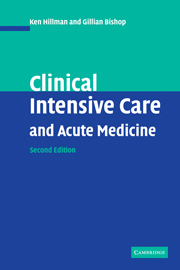
Clinical Intensive Care and Acute Medicine
This new edition provides an accessible account of the essentials of intensive care medicine. The core of the book focuses on areas common to all critically ill patients including fluid therapy, sedation, shock, infection and other central topics. This key understanding of basic pathophysiological principles provides an excellent launch pad for the section on individual disease entities encompassing haematology, gastroenterology, nephrology, endocrinology, the respiratory system, cardiovascular pathology, poisoning and neurology. Economic and ethical issues are also covered, and the text is supported by numerous problem-oriented guidelines to help the care provider tackle real-life practical problems as encountered in the ICU. In the same spirit, wherever possible, the authors provide precise and meaningful advice, rather than bland generalisations. This new edition reflects the excitement, challenges and uniqueness of intensive care medicine, for the benefit of all residents, trainees, nursing staff and paramedics attached to the ICU.
eBook

Emergencies in paediatrics and neonatology
Severely unwell children are the most frightening emergency a clinician can face. This handbook aims to guide the clinician through what to do and when; in a format that can be read at the bedside. Resuscitation techniques are described in detail and comprehensive management plans are provided. Emergencies in Paediatrics and Neonatology is a symptom-based handbook which concisely covers a range of essential information, from the key facts to elicit in the history to thespecific difficulties of children in an emergency situation - communication and pain relief. Symbols are used to indicate clinical severity ranging from life-threatening to minor, and the book includes detailed drug dosages for children and the most recent resuscitation guidelines.This will be invaluable for those working with acutely ill children, staff in accident and emergency medicine, and general practitioners. It will also be a useful pocket guide for all junior doctors who see children, including surgeons and anaesthetists.
eBook

Choice of renal replacement therapy modality and dialysis dependence after acute kidney injury: a systematic review and meta-analysis
Purpose
Choice of renal replacement therapy (RRT) modality may affect renal recovery after acute kidney injury (AKI). We sought to compare the rate of dialysis dependence among severe AKI survivors according to the choice of initial renal replacement therapy (RRT) modality applied [continuous (CRRT) or intermittent (IRRT)].
Methods
Systematic searches of peer-reviewed publications in MEDLINE and EMBASE were performed (last update July 2012). All studies published after 2000 reporting dialysis dependence among survivors from severe AKI requiring RRT were included. Data on follow-up duration, sex, age, chronic kidney disease, illness severity score, vasopressors, and mechanical ventilation were extracted when available. Results were pooled using a random-effects model.
Results
We identified 23 studies: seven randomized controlled trials (RCTs) and 16 observational studies involving 472 and 3,499 survivors, respectively. Pooled analyses of RCTs showed no difference in the rate of dialysis dependence among survivors (relative risk, RR 1.15 [95 % confidence interval (CI) 0.78–1.68],
I
2
= 0 %). However, pooled analyses of observational studies suggested a higher rate of dialysis dependence among survivors who initially received IRRT as compared with CRRT (RR 1.99 [95 % CI 1.53–2.59],
I
2
= 42 %). These findings were consistent with adjusted analyses (performed in 7/16 studies), which found a higher rate of dialysis dependence in IRRT-treated patients [odds ratio (OR) 2.2–25 (5 studies)] or no difference (2 studies).
Conclusions
Among AKI survivors, initial treatment with IRRT might be associated with higher rates of dialysis dependence than CRRT. However, this finding largely relies on data from observational trials, potentially subject to allocation bias, hence further high-quality studies are necessary.
Journal Article

What is the optimum time for initiation of early mobilization in mechanically ventilated patients? A network meta-analysis
Early mobilization has been proven to be an effective and safe intervention for preventing complications in mechanically ventilated patients; however, there is currently no unified definition of the optimal mobilization initiation time, hindering widespread clinical implementation. As clinicians are increasingly aware of the benefits of early mobilization, the definition of early mobilization is important. The purpose of this study was to evaluate the effects of different early mobilization initiation times on mechanically ventilated patients and rank these times for practical consideration. The Chinese Biomedical Literature Database, the Chinese Knowledge Infrastructure, Wanfang Data, PubMed, Cochrane Library, Web of Science, and Embase databases, along with grey literature and reference lists, were searched for randomized control trials (RCTs) that evaluated the effects of early mobilization for improving patient outcomes; databases were searched from inception to October 2018. Two authors extracted data independently, using a predesigned Excel form, and assessed the quality of included RCTs according to the Cochrane Handbook (v5.1.0). Data were analyzed using Stata (v13.0) and Review Manager (v5.3.0). A total of 15 RCTs involving 1726 patients and seven mobilization initiation times (which were all compared to usual care) were included in our analysis. Network meta-analysis showed that mechanical ventilation for 48-72 h may be optimal to improve intensive care unit acquired weakness (ICU-AW) and reduce the duration of mechanical ventilation; however, there were no significant differences in length of ICU stay according to mobilization initiation time. The results of this study indicate that initiation of mobilization within 48-72 h of mechanical ventilation may be optimal for improving clinical outcomes for mechanically ventilated patients.
Journal Article

Liberal transfusion strategies reduce sepsis risk and improve neurological recovery in acute brain injury: an updated systematic review and meta-analysis
Purpose
To advocate for a Liberal Transfusion Strategy (LTS) in neurocritical care patients with Acute Brain Injury (ABI) and provide updated evidence for optimizing transfusion thresholds in clinical guidelines.
Background
Anemia frequently complicates ABI management, often necessitating red blood cell transfusions. However, the optimal hemoglobin (Hb) threshold for transfusion remains controversial. While earlier meta-analyses indicated no significant differences between LTS and restrictive transfusion strategies (RTS), emerging randomized controlled trials (RCTs) emphasize the need for reappraisal within neurocritical care.
Methods
This meta-analysis included five RCTs involving 2399 patients (1,191 LTS; 1208 RTS) with ABI (subarachnoid hemorrhage, traumatic brain injury, or intracerebral hemorrhage). LTS was defined as transfusion at Hb ≤ 10–9 g/dL, and RTS as transfusion at Hb ≤ 7–8 g/dL. Outcomes assessed included sepsis or septic shock, ICU mortality, unfavorable functional outcomes at six months, venous thromboembolism (VTE), acute respiratory distress syndrome (ARDS), and in-hospital mortality.
Results
RTS significantly increased the risk of sepsis or septic shock (relative risk [RR]: 1.42; 95% confidence interval [CI] 1.08–1.86;
p
= 0.01) and unfavorable functional outcomes at six months (RR 1.13; 95% CI 1.06–1.21;
p
= 0.0003). No significant differences were observed in ICU mortality (RR 1.00; 95% CI 0.84–1.20;
p
= 0.96), VTE (RR: 0.88; 95% CI 0.56–1.38;
p
= 0.58), ARDS (RR 1.05; 95% CI 0.69–1.61;
p
= 0.81), or in-hospital mortality (RR 0.98; 95% CI 0.76–1.26;
p
= 0.89). Heterogeneity was minimal (I
2
< 25%).
Conclusion
LTS demonstrates the potential to enhance safety and functional recovery in ABI patients by mitigating sepsis risk and promoting favorable neurologic outcomes. Further high-powered RCTs are warranted to validate these findings and refine transfusion protocols.
Journal Article

Protocol for the development of a guideline on post-extubation respiratory support for mechanically ventilated patients in the ICU
Prophylactic respiratory support for patients after extubation is effective in improving their outcomes and prognosis. However, the optimal post-extubation respiratory support for different populations and disease types of mechanically ventilated patients remains controversial, and there is a lack of detailed, multidisciplinary, evidence-based recommendations for clinical application.Methods and AnalysisThis protocol strictly follows the development process outlined in the WHO Handbook for Guideline Development and Guidelines 2.0, as well as the guidelines for the development of relevant methodological standards. Key steps in developing the guideline include: (1) establishing the guideline working groups, (2) defining the scope of guideline application, (3) selecting the priority clinical questions, (4) retrieving and screening evidence, (5) grading the quality of evidence, (6) forming recommendations and (7) conducting an external review.Ethics and disseminationEthical approval has been granted by Changzhi People’s Hospital (2023K023). Findings from this study will be disseminated through peer-reviewed publications.Guideline registrationPREPARE-2023CN418.
Journal Article
The effect of exogenous melatonin and melatonin receptor agonists on intensive care unit and hospital length of stay: A systematic review and meta-analysis
Melatonin supplements and melatonin receptor agonists are linked to reduced delirium in the Intensive Care Unit (ICU) which we hypothesised may affect the length of stay (LOS) in ICU or in hospital. In this review, we identified and critically appraised the literature on the effect of exogenous melatonin and melatonin receptor agonists on the ICU and/or hospital LOS among adults admitted to the ICU.
Six electronic databases and three trial registries were searched for randomised controlled trials (RCTs). Screening, risk of bias assessment, quality appraisal, and level of evidence assessment were conducted and cross-checked by two reviewers independently. Meta-analyses with disease-specific subgroups were conducted to assess the mean difference in LOS for exogenous melatonin and melatonin receptor agonists compared with a placebo.
Twenty RCTs were reviewed with 14 having a low risk of bias. For ICU LOS (18 studies) there was significant statistical heterogeneity (I2 = 73%); compared with placebo the 95% prediction interval for the mean difference was -3.18 and 1.39 days. For hospital stay (12 studies, I2 = 79%) the 95% prediction interval ranged from -6.68 to 3.52. Removing two statistical outliers, and correcting for publication bias, there was no overall statistically significant difference in mean ICU LOS (p-value = 0.298) or mean hospital LOS (p-value = 0.456). The subgroup analysis found statistically significant improvements for those who underwent coronary artery bypass graft surgery (ICU LOS -0.47 days, 95% CI: -0.78 to -0.16, p-value = 0.003); and patients with COVID-19 (hospital LOS -3.90 days, 95% CI: -6.28 to -1.51, p-value = 0.001).
There was a very low certainty of evidence that melatonin and melatonin receptor agonists were associated with reductions in ICU and hospital LOS in ICU patients overall. However, further research is needed for surgical patients and those with pneumonia.
Journal Article
A meta-analysis of the resuscitative effects of mechanical and manual chest compression in out-of-hospital cardiac arrest patients
Objectives
To evaluate the resuscitative effects of mechanical and manual chest compression in patients with out-of-hospital cardiac arrest (OHCA).
Methods
All randomized controlled and cohort studies comparing the effects of mechanical compression and manual compression on cardiopulmonary resuscitation in OHCA patients were retrieved from the Cochrane Library, PubMed, EMBASE, and Ovid databases from the date of their establishment to January 14, 2019. The included outcomes were as follows: the return of spontaneous circulation (ROSC) rate, the rate of survival to hospital admission, the rate of survival to hospital discharge, and neurological function. After evaluating the quality of the studies and summarizing the results, RevMan5.3 software was used for the meta-analysis.
Results
In total, 15 studies (9 randomized controlled trials and 6 cohort studies) were included. The results of the meta-analysis showed that there were no significant differences in the resuscitative effects of mechanical and manual chest compression in terms of the ROSC rate, the rate of survival to hospital admission and survival to hospital discharge, and neurological function in OHCA patients (ROSC: RCT: OR = 1.12, 95% CI (0.90, 1.39),
P
= 0.31; cohort study: OR = 1.08, 95% CI (0.85, 1.36),
P
= 0.54; survival to hospital admission: RCT: OR = 0.95, 95% CI (0.75, 1.20),
P
= 0.64; cohort study: OR = 0.98 95% CI (0.79, 1.20),
P
= 0.82; survival to hospital discharge: RCT: OR = 0.87, 95% CI (0.68, 1.10),
P
= 0.24; cohort study: OR = 0.78, 95% CI (0.53, 1.16),
P
= 0.22; Cerebral Performance Category (CPC) score: RCT: OR = 0.88, 95% CI (0.64, 1.20),
P
= 0.41; cohort study: OR = 0.68, 95% CI (0.34, 1.37),
P
= 0.28). When the mechanical compression group was divided into Lucas and Autopulse subgroups, the Lucas subgroup showed no difference from the manual compression group in ROSC, survival to admission, survival to discharge, and CPC scores; the Autopulse subgroup showed no difference from the manual compression subgroup in ROSC, survival to discharge, and CPC scores.
Conclusion
There were no significant differences in resuscitative effects between mechanical and manual chest compression in OHCA patients. To ensure the quality of CPR, we suggest that manual chest compression be applied in the early stage of CPR for OHCA patients, while mechanical compression can be used as part of advanced life support in the late stage.
Journal Article
Sentiment in nursing notes as an indicator of out-of-hospital mortality in intensive care patients
Nursing notes have not been widely used in prediction models for clinical outcomes, despite containing rich information. Advances in natural language processing have made it possible to extract information from large scale unstructured data like nursing notes. This study extracted the sentiment-impressions and attitudes-of nurses, and examined how sentiment relates to 30-day mortality and survival.
This study applied a sentiment analysis algorithm to nursing notes extracted from MIMIC-III, a public intensive care unit (ICU) database. A multiple logistic regression model was fitted to the data to correlate measured sentiment with 30-day mortality while controlling for gender, type of ICU, and SAPS-II score. The association between measured sentiment and 30-day mortality was further examined in assessing the predictive performance of sentiment score as a feature in a classifier, and in a survival analysis for different levels of measured sentiment.
Nursing notes from 27,477 ICU patients, with an overall 30-day mortality of 11.02%, were extracted. In the presence of known predictors of 30-day mortality, mean sentiment polarity was a highly significant predictor in a multiple logistic regression model (Adjusted OR = 0.4626, p < 0.001, 95% CI: [0.4244, 0.5041]) and led to improved predictive accuracy (AUROC = 0.8189 versus 0.8092, 95% BCI of difference: [0.0070, 0.0126]). The Kaplan Meier survival curves showed that mean sentiment polarity quartiles are positively correlated with patient survival (log-rank test: p < 0.001).
This study showed that quantitative measures of unstructured clinical notes, such as sentiment of clinicians, correlate with 30-day mortality and survival, thus can also serve as a predictor of patient outcomes in the ICU. Therefore, further research is warranted to study and make use of the wealth of data that clinical notes have to offer.
Journal Article