
Catalogue Search | MBRL


Are you sure you want to remove the book from the shelf?

{{itemTitle}}
579,231
result(s) for
"International economic relations"
Sort by:


The Economic Weapon
The first international history of the emergence of
economic sanctions during the interwar period and the legacy of
this development Economic sanctions dominate the landscape
of world politics today. First developed in the early twentieth
century as a way of exploiting the flows of globalization to defend
liberal internationalism, their appeal is that they function as an
alternative to war. This view, however, ignores the dark paradox at
their core: designed to prevent war, economic sanctions are modeled
on devastating techniques of warfare. Tracing the use of economic
sanctions from the blockades of World War I to the policing of
colonial empires and the interwar confrontation with fascism,
Nicholas Mulder uses extensive archival research in a political,
economic, legal, and military history that reveals how a coercive
wartime tool was adopted as an instrument of peacekeeping by the
League of Nations. This timely study casts an overdue light on why
sanctions are widely considered a form of war, and why their
unintended consequences are so tremendous.
eBook


Global Capital Markets
This book presents an economic survey of international capital mobility from the late nineteenth century to the present. The authors examine the theory and empirical evidence surrounding the fall and rise of integration in the world market. A discussion of institutional developments focuses on capital controls and the pursuit of macroeconomic policy objectives in shifting monetary regimes. The Great Depression emerges as the key turning point in recent history of international capital markets, and offers important insights for contemporary policy debates. Its principal legacy is that the return to a world of global capital is marked by great unevenness in outcomes regarding both risks and rewards of capital market integration. More than in the past, foreign investment flows largely from rich countries to other rich countries. Yet most financial crises afflict developing countries, with costs for everyone.
eBook


Material Politics
In Material Politics, author Andrew Barry reveals that as we are beginning to attend to the importance of materials in political life, materials has become increasingly bound up with the production of information about their performance, origins, and impact. * Presents an original theoretical approach to political geography by revealing the paradoxical relationship between materials and politics * Explores how political disputes have come to revolve not around objects in isolation, but objects that are entangled in ever growing quantities of information about their performance, origins, and impact * Studies the example of the Baku-Tbilisi-Ceyhan oil pipeline – a fascinating experiment in transparency and corporate social responsibility – and its wide-spread negative political impact * Capitalizes on the growing interdisciplinary interest, especially within geography and social theory, about the critical role of material artefacts in political life
eBook

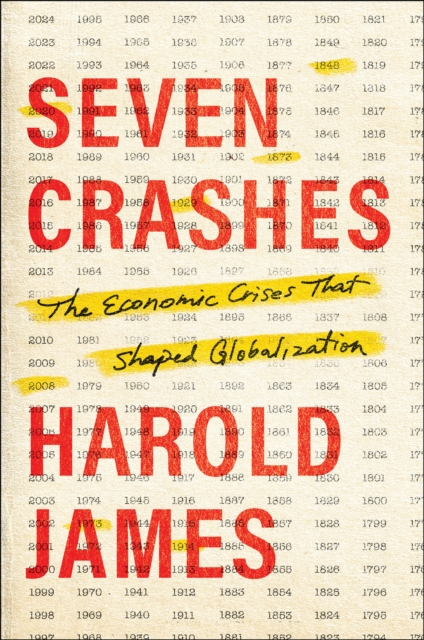
Seven Crashes
BA leading economic historian presents a new history of financial crises, showing how some led to greater globalization while others kept nations apart/BBR / BR / The eminent economic historian Harold James presents a new perspective on financial crises, dividing them into \"good\" crises, which ultimately expand markets and globalization, and \"bad\" crises, which result in a smaller, less prosperous world. Examining seven turning points in financial history-from the depression of the 1840s through the Great Depression of the 1930s to the Covid-19 crisis-James shows how crashes prompted by a lack of supply, like the oil shortages of the 1970s, lead to greater globalization as markets expand and producers innovate to increase supply. By contrast, crises triggered by a lack of demand-such as the Global Financial Crisis of 2007-2008-result in less globalization as markets contract, austerity measures are imposed, and skepticism of government grows.BR / BR / By considering not only the times but also the observers who shaped our understanding of each crisis-from Karl Marx to John Maynard Keynes to Larry Summers-James shows how the uneven course of globalization has led to new economic thinking, and how understanding this history can help us better prepare for the future.
eBook

Legal aspects of the new international economic order
'Legal Aspects of the New International Economic Order' draws together the results of discussions from the 58th Conference of the International law Association held in Manila in September 1978. Many there, including a number of contributors to this insightful book, felt that proposals for the establishment of a new international economic order bristled with complex legal issues, which merited the serious attention of lawyers.
Book
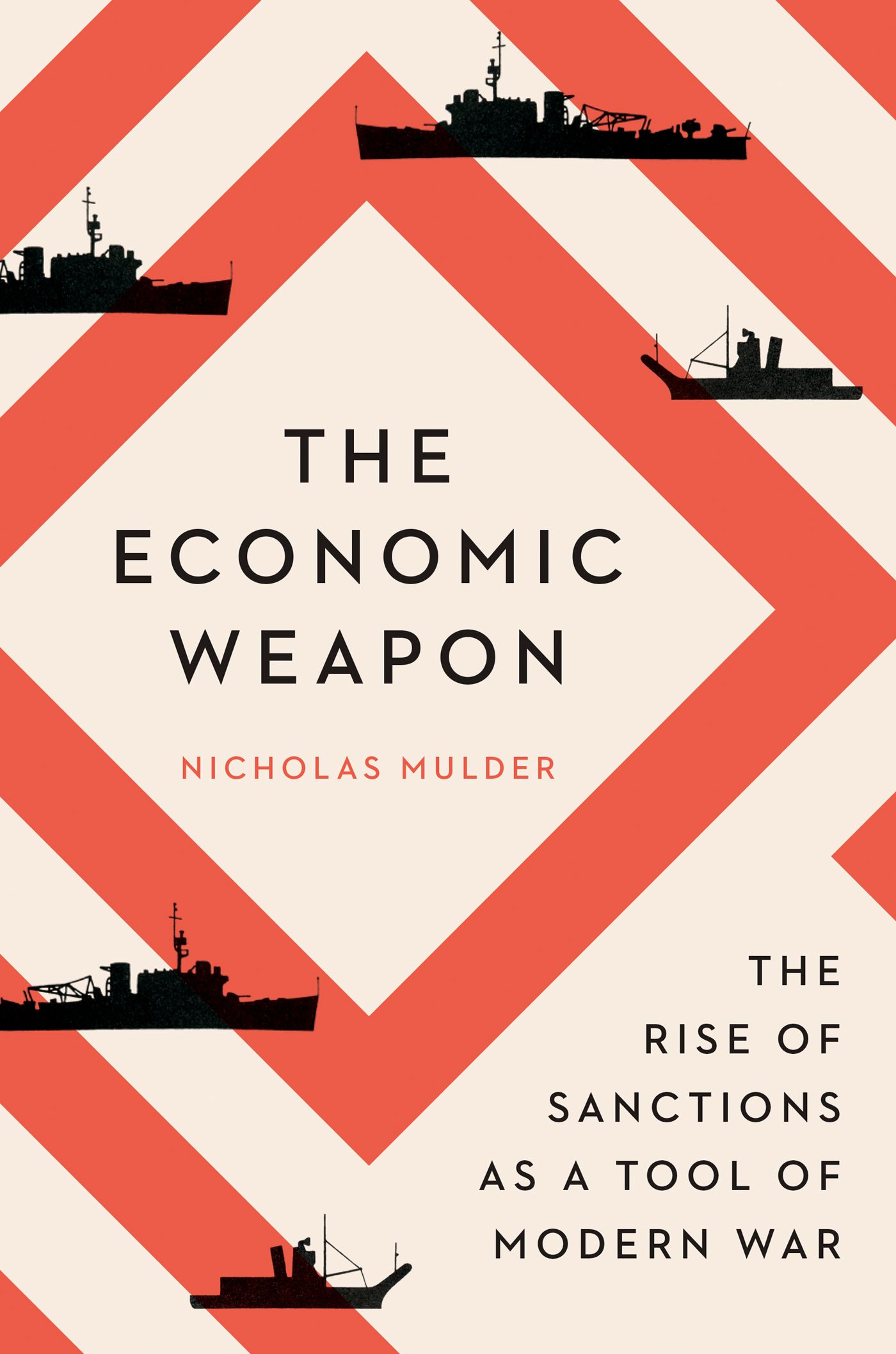
The Economic Weapon
\"Tracing the history of economic sanctions from the blockades of World War I to the policing of colonial empires and the interwar confrontation with fascism, Nicholas Mulder combines political, economic, legal, and military history to reveal how a coercive wartime tool was adopted as an instrument of peacekeeping by the League of Nations.This timely study casts an overdue light on why sanctions are widely considered a form of war, and why their unintended consequences are so tremendous.\"
eBook