
Catalogue Search | MBRL


Are you sure you want to remove the book from the shelf?

{{itemTitle}}
2,404
result(s) for
"Irritable colon."
Sort by:

Irritable Bowel Syndrome
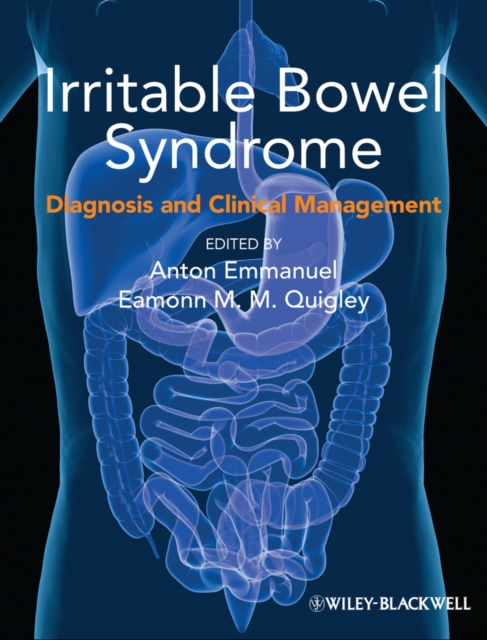
This comprehensive yet concise guide to the diagnosis and management of IBS is divided into four main parts: Overview, Diagnosis, Symptom-specific Treatment, and What's Next in IBS. Each chapter includes a summary of key points, and most chapters include cases and multiple choice questions for rapid review. Clinicians who manage patients with IBS will want to keep this dependable reference close at hand.
eBook

Happy gut cookbook : good food for sensitive stomachs
\"Digestive disorders such as IBS and Crohn's disease are rapidly increasing, and many sufferers are struggling with their symptoms ... The low-FODMAP diet eliminates common carbohydrates that may trigger a reaction, but getting rid of such everyday staples as onions, garlic, milk, and bread can make cooking challenging. [This book] features more than 80 ... recipes that are extremely low in FODMAP but tempting enough for the entire family to enjoy\"--Amazon.com.
Book

Curbside Consultation in IBS
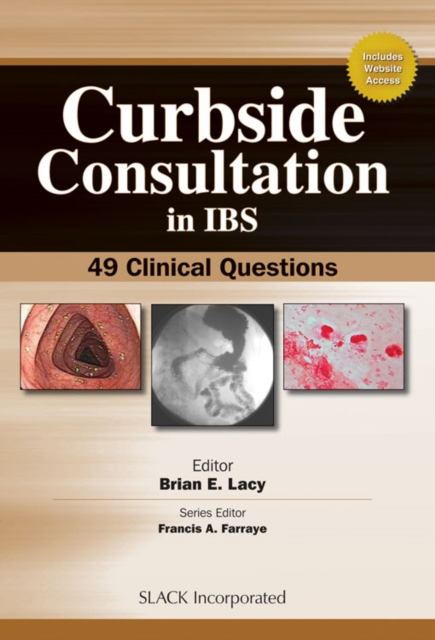
Are you looking for concise, practical answers to questions that are often left unanswered by traditional IBS references that are not designed for gastroenterologists? Are you seeking brief, evidence-based advice for complicated cases or patients with complications that need management?
Curbside Consultation in IBS: 49 Clinical Questions
provides quick and direct answers to the thorny questions commonly posed during a \"curbside consultation\" between colleagues.
Dr. Brian E. Lacy has designed this unique reference, which offers expert advice, preferences, and opinions on tough clinical questions commonly associated with IBS. The unique Q&A format provides quick access to current information related to IBS with the simplicity of a conversation between two colleagues. Numerous images, diagrams, and references are included to enhance the text and to illustrate the treatment of IBS patients.
Some of the questions that are answered:
How can you safely and effectively diagnose IBS? Are diagnostic tests required, and if so, what are they?
What should I tell my patient about the natural history of IBS? What other disorders are commonly found in IBS patients?
What dietary interventions will help my patient?
What is the role of probiotics in my patient? Why do they work and are they all the same?
Are there new therapies for IBS? What about antibiotics? What is linaclotide and why might it help my patient?
Curbside Consultation in IBS: 49 Clinical Questions
provides information basic enough for residents while also incorporating expert advice that even high-volume clinicians will appreciate. Gastroenterologists, fellows and residents in training, surgical attendings, and surgical residents will benefi t from the user-friendly and casual format and the expert advice contained within.
Bonus Material: With each new book purchase, gain full access to a
fully searchable
website for 3 months. At the website you will be able to:
Access all 49 questions and answers from the book
Access additional questions added each month
Access video clips to supplement the material presented in the book and online
Submit your own suggested questions and/or questions and answers
Suggest alternate answers to the 49 questions
Submit your own images and video content
eBook

Mortality Risk in Irritable Bowel Syndrome: Results From a Nationwide Prospective Cohort Study
Mortality concern is a frequent driver of care seeking in patients with irritable bowel syndrome (IBS). Data on mortality in IBS are scarce, and population-based studies have been limited in size. We examined mortality in IBS.
A nationwide, matched, population-based cohort study was conducted in Sweden. We identified 45,524 patients undergoing a colorectal biopsy at any of Sweden's 28 pathology departments and with a diagnosis of IBS from 2002 to 2016 according to the National Patient Register, a nationwide registry of inpatient and outpatient specialty care. We compared the mortality risk between these individuals with IBS and age- and sex-matched reference individuals (n = 217,316) from the general population and siblings (n = 53,228). In separate analyses, we examined the role of mucosal appearance for mortality in IBS. Finally, we examined mortality in 41,427 patients with IBS not undergoing a colorectal biopsy. Cox regression estimated hazard ratios (HRs) for death.
During follow-up, there were 3,290 deaths in individuals with IBS (9.4/1,000 person-years) compared with 13,255 deaths in reference individuals (7.9/1,000 person-years), resulting in an HR of 1.10 (95% confidence interval [CI] = 1.05-1.14). After adjustment for confounders, IBS was not linked to mortality (HR = 0.96; 95% CI = 0.92-1.00). The risk estimates were neutral when patients with IBS were compared with their siblings. The underlying mucosal appearance on biopsy had only a marginal impact on mortality, and patients with IBS not undergoing a colorectal biopsy were at no increased risk of death (HR = 1.02; 95% CI = 0.99-1.06).
IBS does not seem to confer an increased risk of death.
Journal Article

Changes in Intestinal Motility and Gut Microbiota Composition in a Rat Stress Model
Background: Irritable bowel syndrome (IBS) causes chronic abdominal pain and abnormal bowel movements. The etiology involves complicated interactions among visceral hypersensitivity, disorders related to bowel movements, and stress. Changes in the microbiota affect the IBS pathophysiology. We investigated changes in colorectal motility, structure, and microbiota in response to stress due to maternal separation (MS) and corticotropin-releasing hormone (CRH) administration in rats. Summary: Neonatal rats were separated from their mothers for 3 h daily from postnatal day (PND) 2 to PND14. The control group included rats of the same age that were not separated. After MS, the rats were undisturbed for 5 weeks. At 8 weeks of age, 10 µg of CRH or saline was intravenously administered to MS and control groups. Two hours later, the number of fecal pellets was counted. Three hours after CRH or saline administration, the rats were sacrificed and colorectal tissue samples and cecal contents were collected to analyze the fecal microbiota. The number of fecal pellets was significantly greater in MS with the CRH group. Both stressors altered the microbiota composition. Key Messages: Among rats that received CRH, MS increased the colorectal motility. Stress due to MS altered the gut microbiota composition.
Journal Article

Impact of low-FODMAP diet on symptom relief in irritable bowel syndrome patients
Background and Objectives: Irritable bowel syndrome (IBS) stands as a prevalent functional gastrointestinal condition known for causing persistent abdominal pain, changes in bowel patterns, and diminished quality of life. The low fermentable oligosaccharides, disaccharides, monosaccharides, and polyols (FODMAP) diet has emerged as a potential approach to managing IBS through dietary adjustments. To explore how the low FODMAP diet affects symptom relief, nutritional well-being, and overall quality of life in IBS patients when compared to those adhering to a standard diet. Methods and Study Design: A retrospective cohort study was conducted, including patients with IBS categorized into a regular diet group and a low FODMAP diet group. Dietary intake, daily nutrient intake, IBS symptom severity, adverse events, and quality of life were assessed. Results: The low FODMAP diet group demonstrated significantly lower intake of fermentable carbohydrates, including total dietary fiber, fructose, lactose, sorbitol, and total carbohydrates, compared to the regular diet group. Additionally, the low FODMAP diet group exhibited favourable nutritional profiles, reflecting higher intake and utilization of essential nutrients such as vitamin C, iron, calcium, vitamin D, and omega-3 fatty acids. Moreover, significant improvements in symptom severity, adverse event profiles, and quality-of-life scores were observed in the low FODMAP diet group compared to the regular diet group. Conclusions: The Low-FODMAP Diet significantly alters nutrient intake in IBS patients, which may contribute to the observed symptom relief.
Journal Article
Predicting response to the low FODMAP diet in irritable bowel syndrome: Current evidence and clinical considerations
Background and Objectives: The low fermentable oligo-, di-, mono-saccharides and polyols (FODMAP) diet is an effective dietary intervention for irritable bowel syndrome (IBS), yet up to 50% of patients fail to respond adequately. Identifying reliable predictors of response could optimize treatment selection and improve treatment outcomes while avoiding unnecessary dietary restrictions. This narrative review examines current evidence for predictors of response to the low FODMAP diet and highlights gaps in knowledge that must be addressed to develop clinically useful indicators for routine practice. Methods and Study Design: We reviewed the literature on the low FODMAP diet, and studies investigating factors that may predict treatment response, including clinical, diagnostic, biological, biochemical, and microbial markers. Results: Several potential predictors to the low FODMAP diet have emerged, including baseline symptom severity, psychological factors (particularly depression), hydrogen breath test results, volatile organic compounds in fecal samples, and specific gut microbiota profiles. Clinical and psychological measures show the most immediate potential for implementation due to accessibility and established measurement tools. Biological markers, including breath testing, metabolomics, and microbiome analysis, show promise but require further validation in larger, diverse populations and standardization of methodologies. Conclusions: Despite promising research, significant gaps remain in developing reliable, accessible predictors of response to the low FODMAP diet. Future research should focus on validating simple clinical tools that combine symptom profiles with psychological assessment to guide treatment decisions. A personalized approach to dietary management of IBS based on reliable response predictors would optimize clinical outcomes while minimizing unnecessary dietary restriction and healthcare resource utilization.
Journal Article
