
Catalogue Search | MBRL


Are you sure you want to remove the book from the shelf?

{{itemTitle}}
319
result(s) for
"Islam Appreciation."
Sort by:
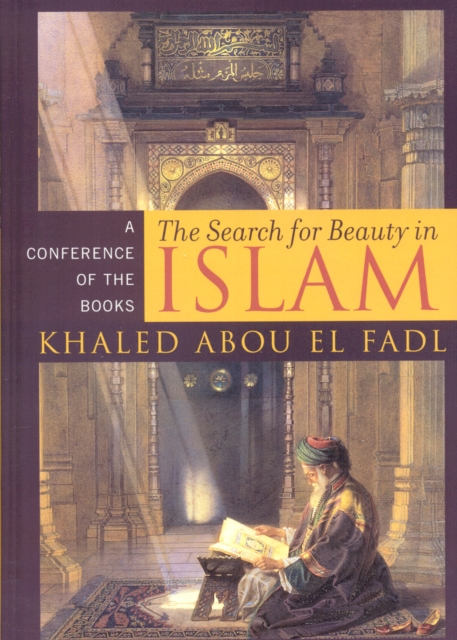
The search for beauty in Islam
Khaled Abou El Fadl is a classically-trained Islamic jurist, an American lawyer and law professor, and one of the most important Islamic thinkers today. In this updated and expanded edition of The Search for Beauty in Islam, Abou El Fadl offers eye-opening and enlightening insights into the contemporary realities of the current state of Islam and the West. Through a \"conference of the books,\" an imagined conference of Muslim intellects from centuries past, Abou El Fadl examines the ugliness that has come to plague Muslim realities and attempts to reclaim what he maintains is a core moral value in Islam-the value of beauty. Does Islamic law allow, or even call for, the gruesome acts of ugliness that have become so commonly associated with Islam today? Has Islam become a religion devoid of beauty, compassion and love? Based on actual cases, this book tackles different issues and problems in each chapter through a post-9/11 lens, discussing such topics as marriage, divorce, parental rights, the position of women, the veil, sexual abuse, wife-beating, terrorism, bigotry, morality, law, and the role of tradition. Abou El Fadl argues that the rekindling of the forgotten value of beauty is essential for Muslims today to take back what has been lost to the fundamentalist forces that have denigrated their religion.
eBook
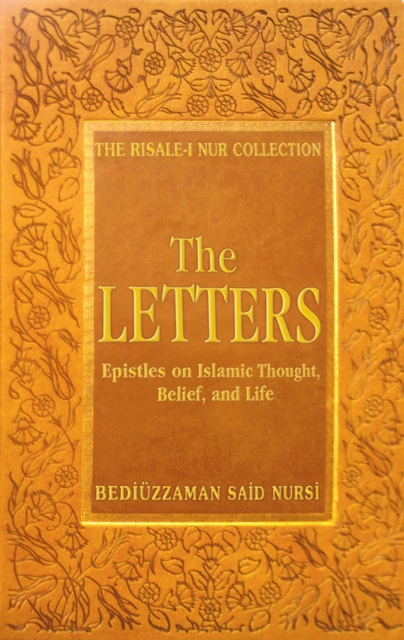
The letters: epistles on Islamic thought, belief, and life
Written by a celebrated Islamic scholar to his students in Turkey after his political exile in 1925, these letters follow the long-established traditions of correspondence between spiritual masters and their students in remote lands. Both expressions of friendship and long-distance tutorials on points of scholarly debate, most of the letters are answers to questions about theology and hold forth on such matters as the nature of hell, the suffering of innocents, the miracles of Prophet Muhammad, and the divine purpose of the universe.
eBook
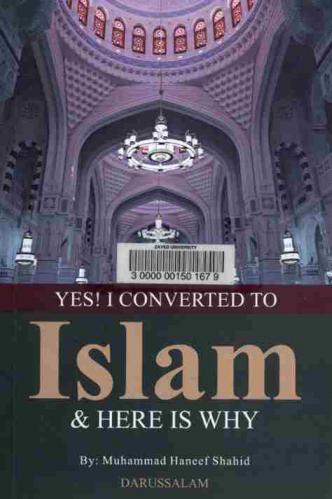
Yes ! I converted to Islam and here is why? = أسلمت ولماذا ؟
A compilation from numerous narratives of scientists, intellectuals, nobles, professionals, dignitaries, laureates and others about their lives, experiences and previous beliefs as well as Islamic impressions and reasons why they reverted to Islam.

Scapegoats of September 11th
From its largest cities to deep within its heartland, from its heavily trafficked airways to its meandering country byways, America has become a nation racked by anxiety about terrorism and national security. In response to the fears prompted by the tragedy of September 11th, the country has changed in countless ways. Airline security has tightened, mail service is closely examined, and restrictions on civil liberties are more readily imposed by the government and accepted by a wary public.The altered American landscape, however, includes more than security measures and ID cards. The country's desperate quest for security is visible in many less obvious, yet more insidious ways. In Scapegoats of September 11th, criminologist Michael Welch argues that the \"war on terror\" is a political charade that delivers illusory comfort, stokes fear, and produces scapegoats used as emotional relief. Regrettably, much of the outrage that resulted from 9/11 has been targeted at those not involved in the attacks on the Pentagon or the Twin Towers. As this book explains, those people have become the scapegoats of September 11th. Welch takes on the uneasy task of sorting out the various manifestations of displaced aggression, most notably the hate crimes and state crimes that have become embarrassing hallmarks both at home and abroad.Drawing on topics such as ethnic profiling, the Abu Ghraib scandal, Guantanamo Bay, and the controversial Patriot Act, Welch looks at the significance of knowledge, language, and emotion in a post-9/11 world. In the face of popular and political cheerleading in the war on terror, this book presents a careful and sober assessment, reminding us that sound counterterrorism policies must rise above, rather than participate in, the propagation of bigotry and victimization.
eBook


What everyone needs to know about Islam
In the aftermath of the terrorist attacks of September 11th, there has been an overwhelming demand for information about Islam. As a leading expert, John Esposito has found himself called upon to speak to a wide range of audiences, including members of Congress, the Bush administration, government agencies, the military, and the media. Out of this experience, he has identified the most pressing questions people consistently ask about Islam. In What Everyone Needs to Know about Islam, Esposito presents in question-and-answer format the information that most people want to know. Esposito provides succinct, accessible, sensitive, and even-handed answers to questions that range from the general-\"What do Muslims believe?\" and \"Who was Muhammad?\"-to more specific issues like Is Islam compatible with modernization, capitalism and democracy? How do Muslims view Judaism and Christianity? Are women second-class citizens in Islam? What is jihad? Does the Quran condone terrorism? What does Islam say about homosexuality, birth control, abortion, and slavery?; As the editor of The Oxford Encyclopedia of Modern Islam and The Oxford History of Islam, and author of Unholy War and many other acclaimed works, John Esposito is one of America's leading authorities on Islam. This brief and readable book is the first place to look for information on the faith, customs, and political beliefs of the more than one billion people who call themselves Muslims.
eBook
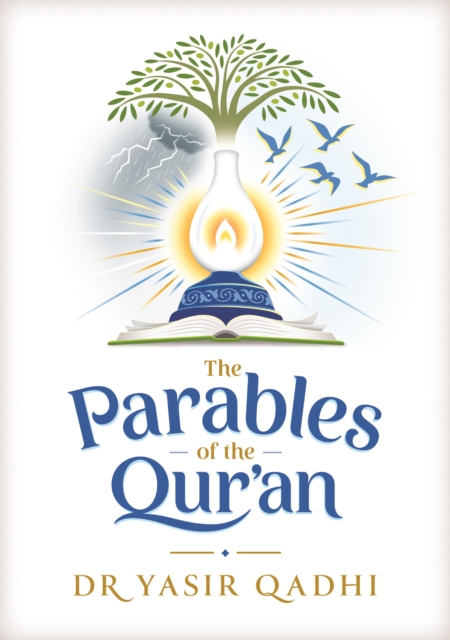
The Parables of the Qur'an
The Qur'an is the word of Allah, it is the most eloquent and best of all speech. The Qur'an uses different rhetorical devices and parables to convey its message. Allah says in the Qur'an: 'We have given every type of parable in this Qur'an so that they can understand and think'. Allah conveys to us facts, stories and examples as well as guidance and warnings throughout His book. Yasir Qadhi's book will take 30 parables of the Qur'an and explain its context and meaning in order for us to understand, reflect and change our lives.
eBook