
Catalogue Search | MBRL


Are you sure you want to remove the book from the shelf?

{{itemTitle}}
17
result(s) for
"Japan History, Military To 1868."
Sort by:


Samurai, Warfare and the State in Early Medieval Japan
Karl Friday, an internationally recognised authority on Japanese warriors, provides the first comprehensive study of the topic to be published in English. This work incorporates nearly twenty years of on-going research and draws on both new readings of primary sources and the most recent secondary scholarship.
It overturns many of the stereotypes that have dominated views of the period. Friday analyzes Heian -, Kamakura- and Nambokucho-period warfare from five thematic angles. He examines the principles that justified armed conflict, the mechanisms used to raise and deploy armed forces, the weapons available to early medieval warriors, the means by which they obtained them, and the techniques and customs of battle.A thorough, accessible and informative review, this study highlights the complex casual relationships among the structures and sources of early medieval political power, technology, and the conduct of war.
eBook

A brief history of the Samurai : the way of Japan's elite warriors
From a leading expert in Japanese history, this is a full history of the art and culture of the Samurai warrior.
Book

China, Korea & Japan at War, 1592–1598
The East Asian War of 1592 to 1598 was the only extended war before modern times to involve Japan, Korea, and China. It devastated huge swathes of Korea and led to large population movements across borders. This book draws on surviving letters and diaries to recount the personal experiences of five individuals from different backgrounds who lived through the war and experienced its devastating effects: a Chinese doctor who became a spy; a Japanese samurai on his first foreign expedition; a Korean gentleman turned refugee; a Korean scholar-diplomat; and a Japanese Buddhist monk involved in the atrocities of the invasion. The book outlines the context of the war so that readers can understand the background against which the writers’ lives were lived, allows the individual voices of the five men and their reflections on events to come through, and casts much light on prevailing attitudes and conditions, including cultural interaction, identity, cross-border information networks, class conflict, the role of religion in society, and many others aspects of each writer’s world.
Prologue: Witnesses to the Largest Conflict of the Sixteenth Century
1. Warning of the Tsunami to Come: Xu Yihou, patriot in exile
2. Glory in Defeat: Yoshino Jingozaemon, warrior of Japan
3. Between a Tiger and Wolves: Oh Hŭimun, refugee in his own land
4. When Peace Broke: Hwang Shin, intrepid ambassador
5. Descent into Hell: Keinen, reluctant invader
6. A World Connected: Oh Hŭimun, one among many
7. Post War: Stories retold, countries reimagined
Epilogue: The War of 1592-1598 and National Identity
J. Marshall Craig completed his doctorate at the University of Oxford.
eBook

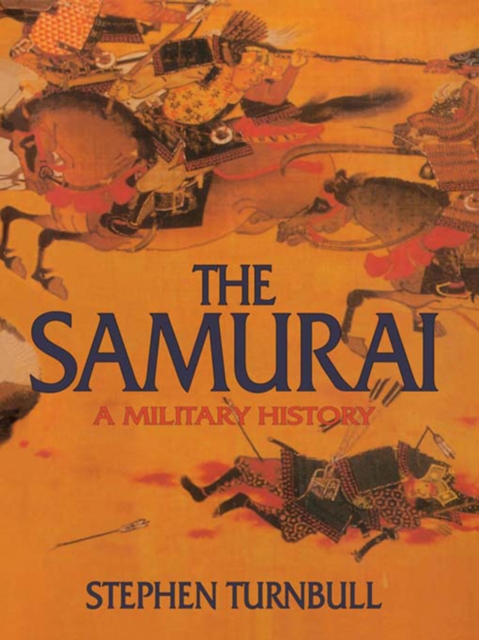
The Samurai
First published in 1977, The Samurai has long since become a standard work of reference. It continues to be the most authoritative work on samurai life and warfare published outside Japan. Set against the background of Japan's social and political history, the book records the rise and rise of Japan's extraordinary warrior class from earliest times to the culmination of their culture, prowess and skills as manifested in the last great battle they were ever to fight - that of Osaka Castle in 1615.
eBook

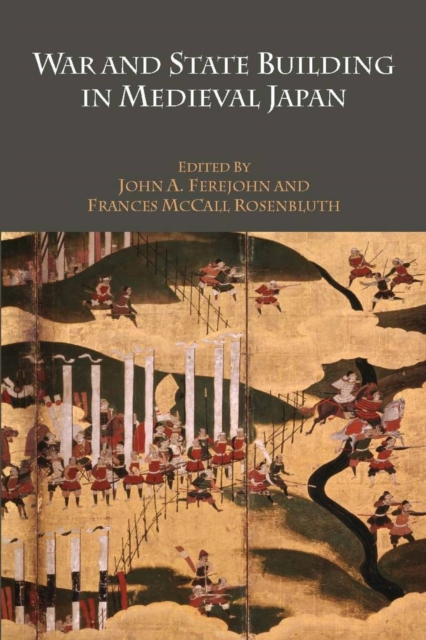
War and state building in medieval Japan
The nation state as we know it is a mere four or five hundred years old. Remarkably, a central government with vast territorial control emerged in Japan at around the same time as it did in Europe, through the process of mobilizing fiscal resources and manpower for bloody wars between the 16th and 17th centuries. This book, which brings Japan's case into conversation with the history of state building in Europe, points to similar factors that were present in both places: population growth eroded clientelistic relationships between farmers and estate holders, creating conditions for intense competition over territory; and in the ensuing instability and violence, farmers were driven to make Hobbesian bargains of taxes in exchange for physical security.
eBook

