
Catalogue Search | MBRL


Are you sure you want to remove the book from the shelf?

{{itemTitle}}
6
result(s) for
"Jewish nationalism-History-20th century"
Sort by:

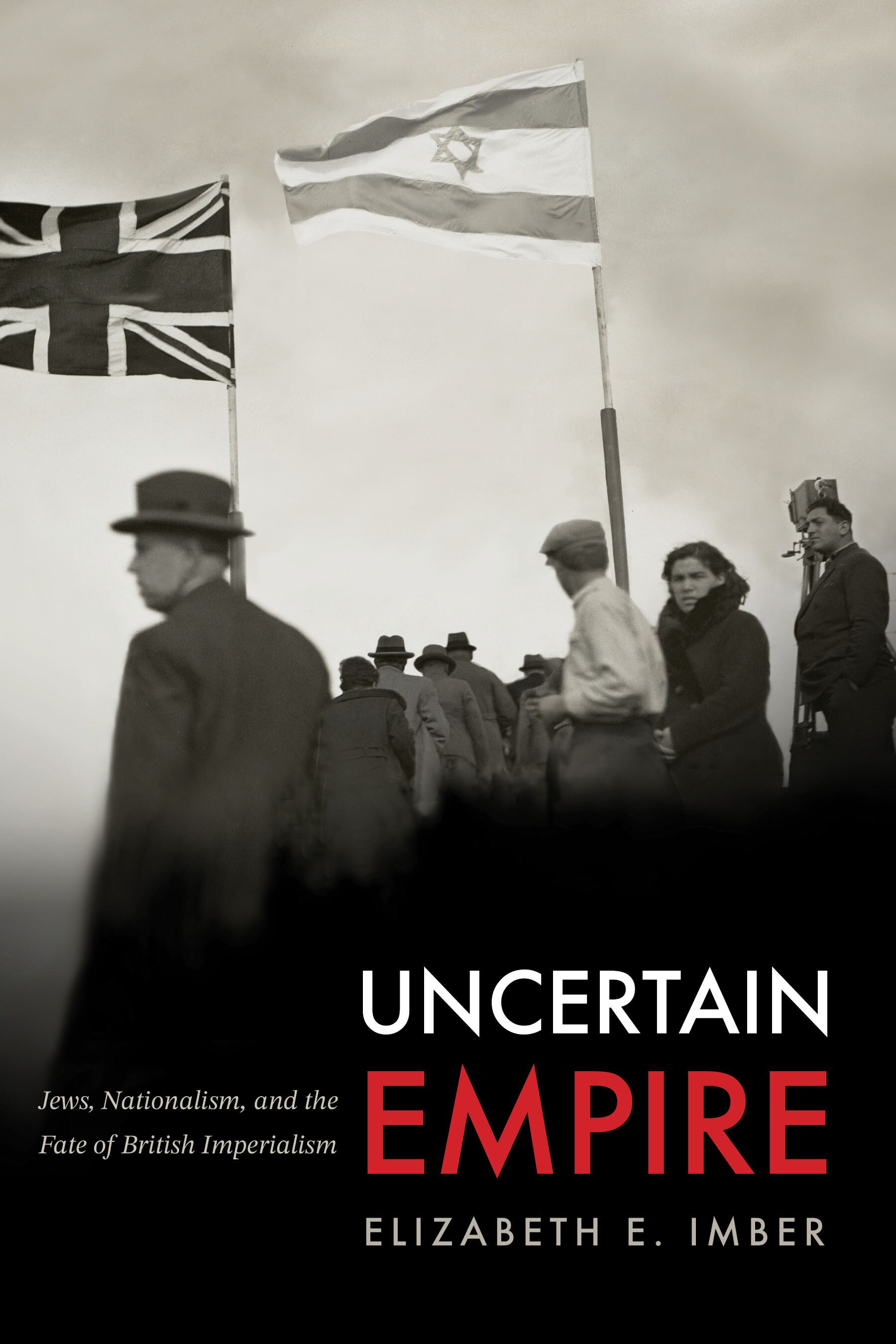
Uncertain Empire
Following the British conquest of Ottoman Palestine, Jews across the British Empire—from Jerusalem to Johannesburg, London to Calcutta—found themselves at the heart of global Jewish political discourse. As these intellectuals, politicians, activists, and communal elites navigated shifting political landscapes, some envisioned Palestine as a British dominion, leveraging imperial power for Jewish state-building, while others fostered ties with anticolonial movements, contemplating independent national aspirations. Uncertain Empire considers this intricate interplay between British imperialism, Zionism, and anticolonial movements from the 1917 British conquest of Palestine to the establishment of the state of Israel in 1948. Elizabeth Imber highlights diverse and sometimes conflicting visions of Jewish political futures, offering detailed case studies of key figures including Chaim Arlosoroff, Moshe Shertok, Helen Bentwich, Rachel Ezra, and Hermann Kallenbach. She explores a \"politics of uncertainty\" in which Jews engaged with both imperial stability and the rise of anticolonial mobilization, when many were likewise forced to reconsider Palestine as a viable refuge and political solution. Ultimately, this book provides a nuanced understanding of how the British Empire's fate became central to Zionist and broader Jewish political thought, revealing the complex intersections of empire, state power, and Jewish politics during a time marked by profound urgency and exigency.
eBook

The tragedy of a generation : the rise and fall of Jewish nationalism in Eastern Europe
The Tragedy of a Generation is the story of a failed ideal: an autonomous Jewish nation in Europe. It traces the origins of two influential strains of Jewish thought--Yiddishism and Diaspora Nationalism--and documents the waning hopes and painful reassessments of their leading representatives against the rising tide of Nazism and the Holocaust.
eBook

Smoothing the Jew : Abie the agent and ethnic caricature in the progressive era
The turn of the nineteenth century in the United States saw the substantial influx of immigrants and a corresponding increase in anti-immigration and nativist tendencies among longer-settled Americans.
eBook
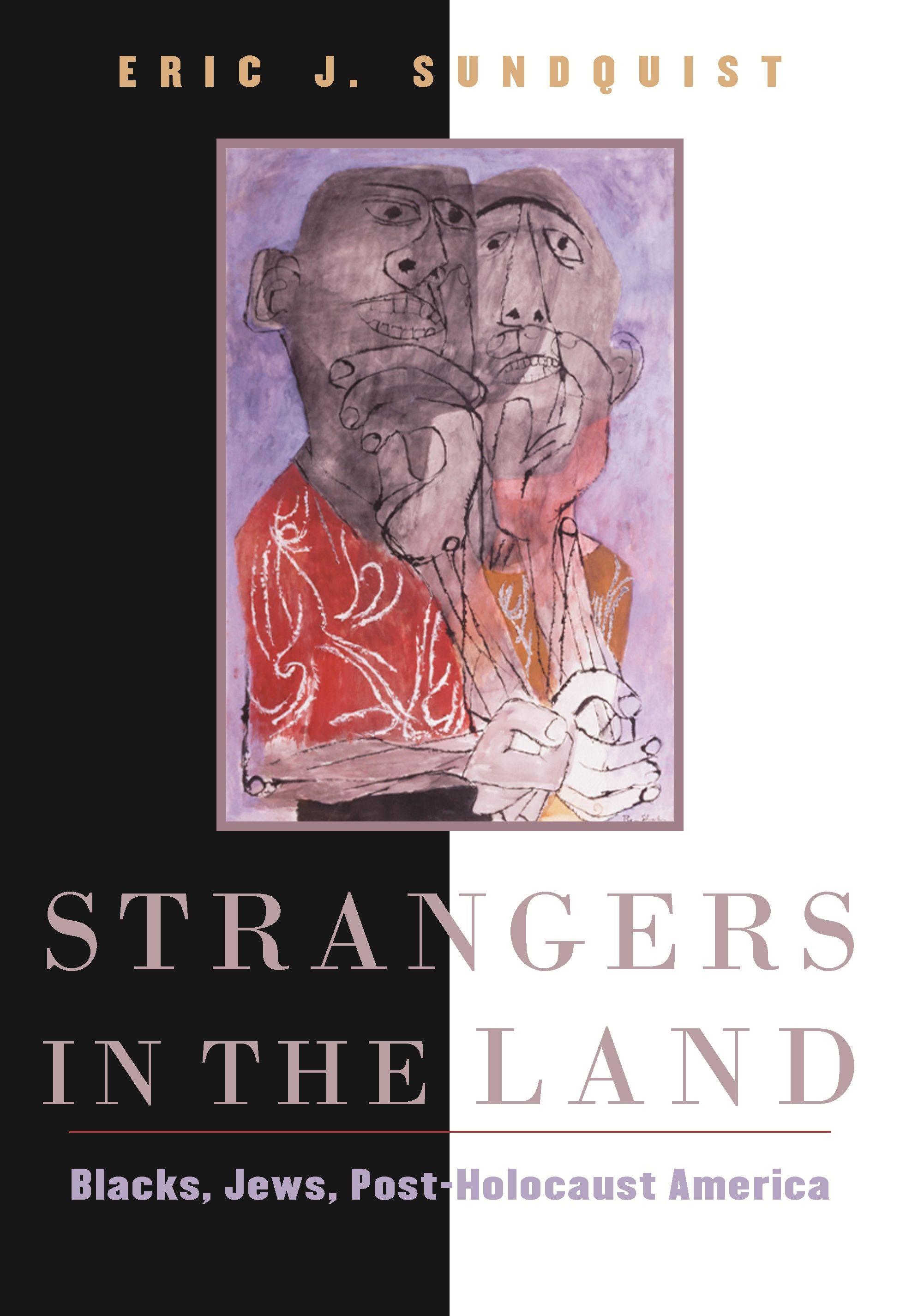
Strangers in the land : Blacks, Jews, post-Holocaust America
In a culture deeply divided along ethnic lines, the idea that the relationship between blacks and Jews was once thought special—indeed, critical to the cause of civil rights—might seem strange. Yet the importance of blacks for Jews and Jews for blacks in conceiving of themselves as Americans, when both remained outsiders to the privileges of full citizenship, is a matter of voluminous but perplexing record. It is this record, written across the annals of American history and literature, culture and society, that Eric Sundquist investigates. A monumental work of literary criticism and cultural history, Strangers in the Land draws upon politics, sociology, law, religion, and popular culture to illuminate a vital, highly conflicted interethnic partnership over the course of a century. Sundquist explores how reactions to several interlocking issues—the biblical Exodus, the Holocaust, Zionism, and the state of Israel—became critical to black–Jewish relations. He charts volatile debates over social justice and liberalism, anti-Semitism and racism, through extended analyses of fiction by Bernard Malamud, Paule Marshall, Harper Lee, and William Melvin Kelley, as well as the juxtaposition of authors such as Saul Bellow and John A. Williams, Lori Segal and Anna Deavere Smith, Julius Lester and Philip Roth. Engaging a wide range of thinkers and writers on race, civil rights, the Holocaust, slavery, and related topics, and cutting across disciplines to set works of literature in historical context, Strangers in the Land offers an encyclopedic account of questions central to modern American culture.
eBook

Militant Zionism in America : the rise and impact of the Jabotinsky movement in the United States, 1926-1948
This in-depth look at a controversial faction of American Zionism fills a void in the story of American Zionism--and in the story of American Judaism.This book recounts the fascinating and little-known story of the militant American Zionists who lobbied Congress, rallied American public opinion, and influenced British-American relations in their.
eBook