
Catalogue Search | MBRL


Are you sure you want to remove the book from the shelf?

{{itemTitle}}
2,399
result(s) for
"Jordan History"
Sort by:


Complex Communities
Complex Communitiesexplores how sedentary settlements developed and flourished in the Middle East during the Early Iron Age nearly four thousand years ago. Using archaeological evidence, Benjamin Porter reconstructs how residents maintained their communities despite environmental uncertainties. Living in a semi-arid area in the present-day country of Jordan, villagers faced a harsh and unpredictable ecosystem. Communities fostered resilience by creating flexible production routines and leadership strategies. Settlements developed what archaeologists call \"communal complexity,\" a condition through which small-scale societies shift between egalitarian and hierarchical arrangements.Complex Communitiesprovides detailed, scientifically grounded reconstructions of how this communal complexity functioned in the region.These settlements emerged during a period of recovery following the political and economic collapse of Bronze Age Mediterranean societies. Scholars have characterized west-central Jordan's political organization during this time as an incipient Moabite state.Complex Communitiesargues instead that the settlements were a collection of independent, self-organizing entities. Each community constructed substantial villages with fortifications, practiced both agriculture and pastoralism, and built and stocked storage facilities. From these efforts to produce and store resources, especially food, wealth was generated and wealthier households gained power over their neighbors. However, power was limited by the fact that residents could-and did-leave communities and establish new ones.Complex Communitiesreveals that these settlements moved through adaptive cycles as they adjusted to a changing socionatural system. These sustainability-seeking communities have lessons to offer not only the archaeologists studying similar struggles in other locales, but also to contemporary communities facing negative climate change. Readers interested in resilience studies, Near Eastern archaeology, historical ecology, and the archaeology of communities will welcome this volume.
eBook


King Hussein and the challenge of Arab radicalism : Jordan 1955-1967
When the young Hussein became the King of Jordan in 1953, conventional wisdom held that his days were numbered. Yet Hussein and the Jordanian monarchy have not only endured, they have thrived and continue to play a vital role in Middle Eastern politics. Uriel Dann here explores the political history of the formative years of the Jordanian state, uncovering the sources of its durability against forces seeking to fundamentally alter the traditional bases of Arab politics.
eBook

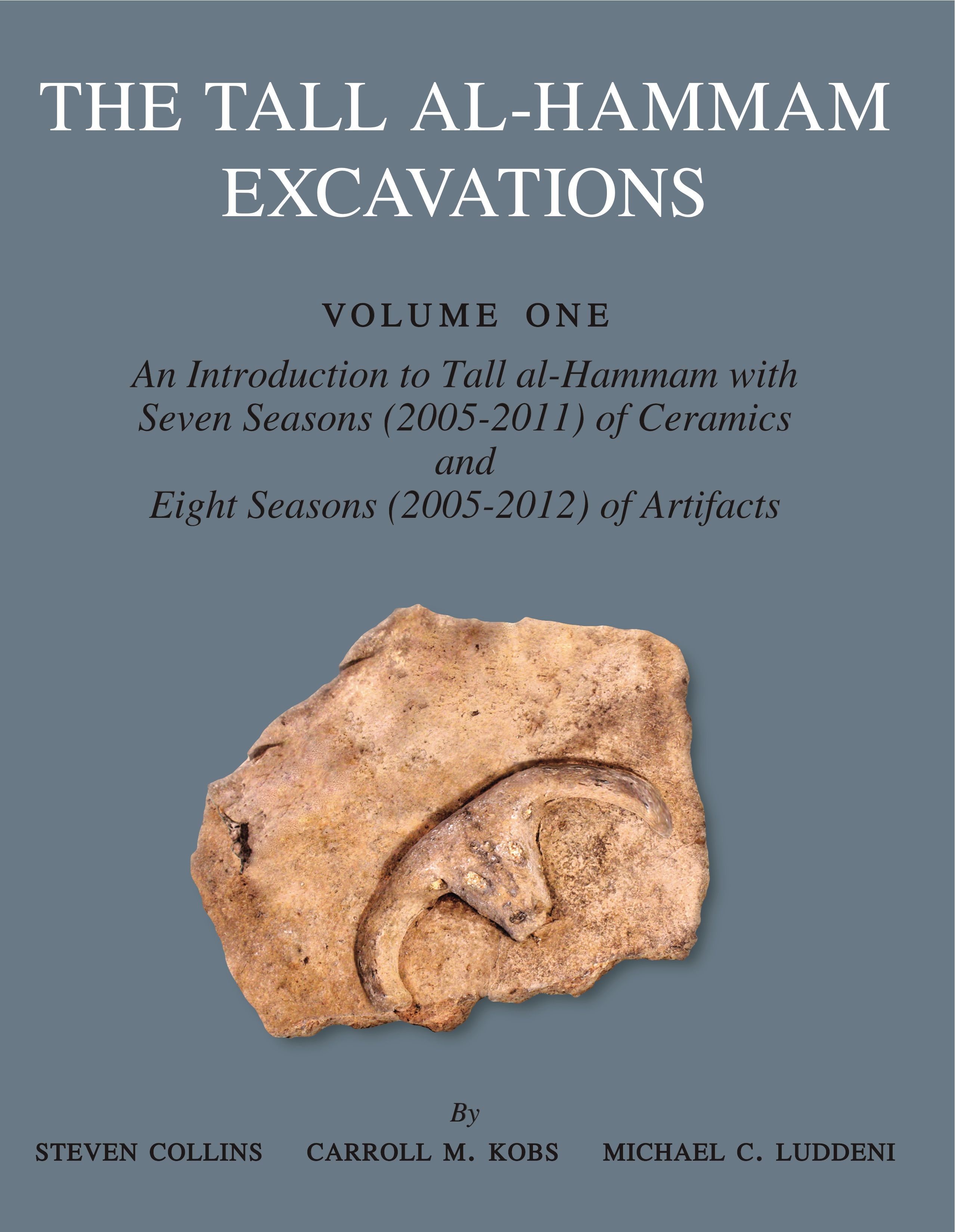
The Tall al-Hammam Excavations, Volume 1
The Tall al-Hamman Excavations, Volume 1 is the first in a series of reports on the Tall al-Hammam Excavation Project, directed by Steven Collins of Trinity Southwest University and assisted by Gary Byers and Carroll Kobs, assistant dig directors. Co-author Mike Luddeni has been dig photographer since the inception of the Project. Excavations began in Jordan in 2005–2006 and have continued annually, without break, up to the present. This volume presents an overview of the site, with a period-by-period overview of Tall al-Hammam and its relationship to other sites in the vicinity in the Jordan Valley. It also includes the pottery profiles and assemblages and artifacts discovered in the course of these seasons. Future volumes will include in-depth excavation reports for specific areas of the Tall.
eBook

State, society and land in Jordan
Detailing state land policies in Jordan from the late Ottoman period through the 1950s, this work discusses the social reaction to these policies, the different conceptualizations of land held by state and society, and notes these policies' ultimate political significance.
eBook


Water, Life and Civilisation
A unique interdisciplinary study of the relationships between climate, hydrology and human society from 20,000 years ago to the present day within the Jordan Valley. It describes how state-of-the-art models can simulate the past, present and future climates of the Near East, reviews and provides new evidence for environmental change from geological deposits, builds hydrological models for the River Jordan and associated wadis and explains how present day urban and rural communities manage their water supply. The volume provides a new approach and new methods that can be applied for exploring the relationships between climate, hydrology and human society in arid and semi-arid regions throughout the world. It is an invaluable reference for researchers and advanced students concerned with the impacts of climate change and hydrology on human society, especially in the Near East.
eBook