
Catalogue Search | MBRL


Are you sure you want to remove the book from the shelf?

{{itemTitle}}
14
result(s) for
"Kenya Colonial influence."
Sort by:


Mau Mau Crucible of War
Mau Mau Crucible of War is a study of the social and cultural history of the mentalite of struggle in Kenya, which reached a peak during the Mau Mau War of the 1950s. This struggle continues to resonate in Kenya today through the ongoing demand for a decent standard of living and social justice for all.
eBook

Dreams in a time of war : a childhood memoir
\"In dreams in a time of was, Ngũgĩ wa deftly etches a bygone era, bearing witness to the social and political vicissitudes of life under colonialism and war. Speaking to the human right to dream even in the worst of times, this rich memoir of an African childhood abounds in delicate and powerful subtleties and complexities that are movingly told\"--Cover.
BOOK

Colonial Inscriptions
In Kenyan colonialist imagery, the Kikuyu were vilified as deceitful servants while the Maasai were romanticized as noble savages in a fashion similar to American representation of the Black slave and the \"wild\" Indian. Carolyn Martin Shaw examines this imagery in the works of historians and ethnographers, as well as in novels and films. Through the works of Louis Leakey, Jomo Kenyatta, Elspeth Huxley, and Isak Dinesen, along with her own ethnographic research, Martin Shaw investigates the discourses that shaped inequalities, rivalries, and fantasies in colonial Kenya. She explores narratives of domination and subordination, arguing that Europeans brought to Africa long-established ideas of difference that influenced racial inequalities in the colonial situation. Including discussion of the controversial practice of female genital mutilation, Colonial Inscriptions presents an African American woman's views of how images of African colonialism have been influenced by European and American racism and sexual fantasies.
eBook
The comforts of home
\"This history is . . . the first fully-fleshed story of African Nairobi in all of its complexity which foregrounds African experiences. Given the overwhelming white dominance in the written sources, it is a remarkable achievement.\"—Claire Robertson, International Journal of African Historical Studies \"White's book . . . takes a unique approach to a largely unexplored aspect of African History. It enhances our understanding of African social history, political economy, and gender studies. It is a book that deserves to be widely read.\"—Elizabeth Schmidt, American Historical Review
eBook

Writers in Politics
Ngugi has put together a new collection under an old title, rewriting most of the pieces that appeared in the original 1981 edition, and adding completely new essays, such as 'Freedom of Expression', written for the campaign to try to save Ken Saro-Wiwa and other Niger Delta activists and writers from execution in Nigeria. Kenya: EAEP
eBook
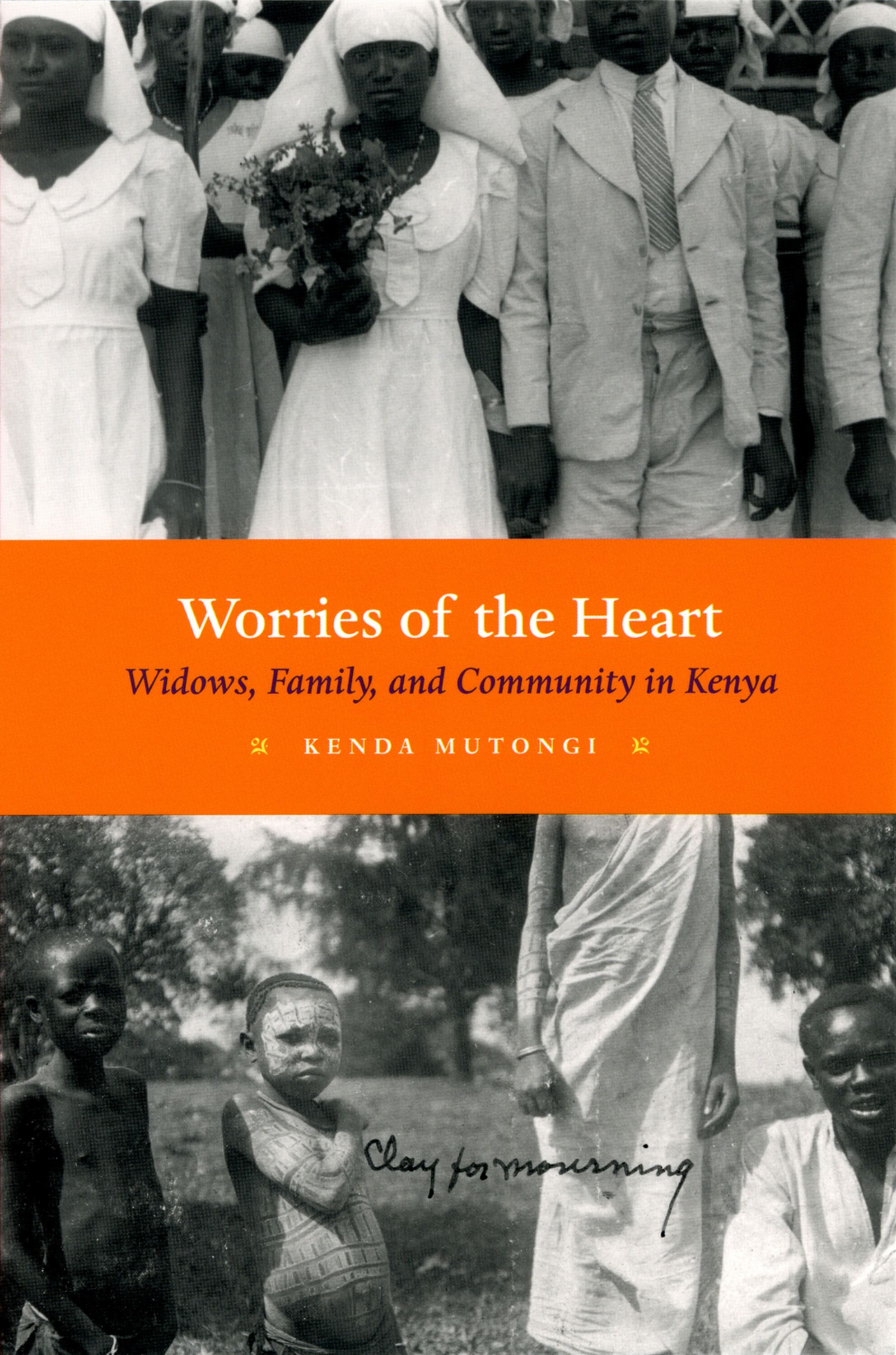
Worries of the heart
Growing up in the Maragoli community in Kenya, Kenda Mutongi encountered a perplexing contradiction. While the young teachers at her village school railed against colonialism, many of her elders, including her widowed mother, praised their former British masters. In this moving book, Mutongi explores how both the challenges and contradictions of colonial rule and the frustrations and failures of independence shaped the lives of Maragoli widows and their complex relations with each other, their families, and the larger community. Throughout the twentieth century and into the twenty-first, rates of widowhood have been remarkably high in Kenya. Yet despite their numbers, widows and their families exist at the margins of society, and their lives act as a barometer for the harsh realities of rural Kenya. Mutongi here argues that widows survive by publicly airing their social, economic, and political problems, their “worries of the heart.” Initially aimed at the men in their community, and then their colonial rulers, this strategy changed after independence as widows increasingly invoked the language of citizenship to demand their rights from the new leaders of Kenya—leaders whose failure to meet the needs of ordinary citizens has led to deep disenchantment and altered Kenyans’ view of their colonial past. An innovative blend of ethnography and historical research, Worries of the Heart is a poignant narrative rich with insights into postcolonial Africa.
eBook

Kenya Today
This is the story of modern Africa: the reality of poverty, underdevelopment and the donor community. Are governments using politics and imported culture to trap ordinary Africans in a weakening web of international friendship and economic partnership,.
eBook
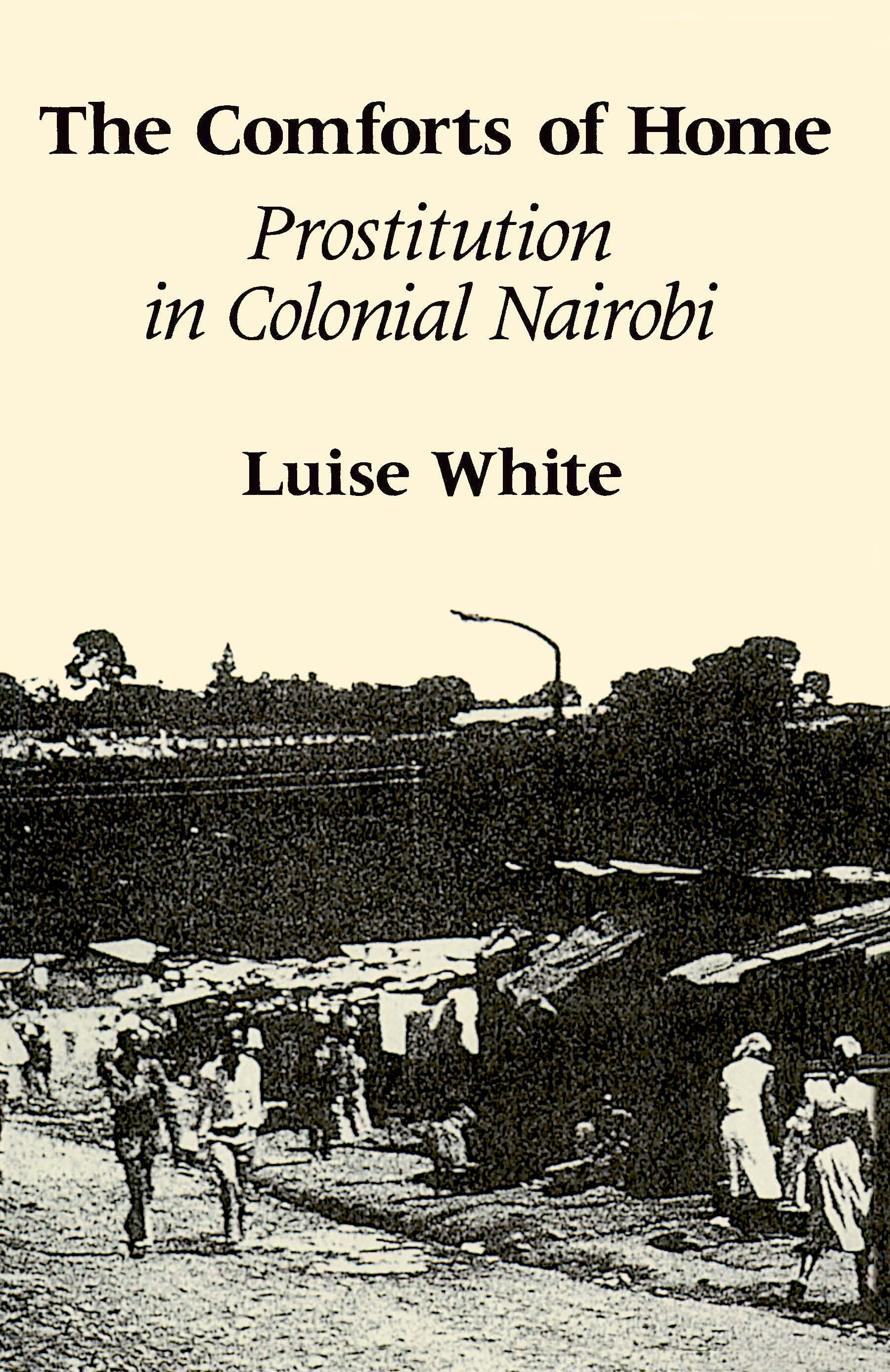
The Comforts of Home
\"This history is . . . the first fully-fleshed story of African Nairobi in all of its complexity which foregrounds African experiences. Given the overwhelming white dominance in the written sources, it is a remarkable achievement.\"—Claire Robertson, International Journal of African Historical Studies \"White's book . . . takes a unique approach to a largely unexplored aspect of African History. It enhances our understanding of African social history, political economy, and gender studies. It is a book that deserves to be widely read.\"—Elizabeth Schmidt, American Historical Review
eBook

Fields of Change among the Iteso of Kenya
Fields of Change is a study of the means by which the Iteso adapted to the imposition of colonial rule and the loss of political independence. It explores their pacification and incorporation into a colonial state and the effects that these processes have had on Iteso territorial and political systems. At the same time it examines the way in which the political system both affected and was affected by other aspects of the Iteso social system, most notably in the fields of religion, descent and domestic kinship. First published in 1978.
eBook