
Catalogue Search | MBRL


Are you sure you want to remove the book from the shelf?

{{itemTitle}}
50,853
result(s) for
"LAMA"
Sort by:

قوة من أجل الخير : وجهة نظر الدالاي لاما لعالمنا
هذا الكتاب عرض منهجي لرؤية الدالاي لاما لعالمنا كما لو أن الكاتب عايشه وسجل أفكاره التي يقدمها في لقاءاته والمؤتمرات التي يحضرها. لم يعد الدالاي لاما زعيما دينيا لطائفة من البوذيين يعيشون في التيبت، إنه أشبه ما يكون بمواطن عالمي يتوجه إلى الناس جميعا في الأقاليم والقارات ويحذر من أن كوكب الأرض بيتنا يحترق بسبب الحط من شأن المنظمات العالمية التي تدعم الحياة على الأرض ويقدم مجموعة من المبادئ من أجل حياة أفضل لكن ما يقول الدالاي لاما لا يكفي أن نعتنق قضية نبيلة بل يجب العمل من أجلها وفي النهاية يمكننا جميعا أن نكون قوة من أجل الخير.
Book

The Early 20th Century Resurgence of the Tibetan Buddhist World
The Early 20th Century Resurgence of the Tibetan Buddhist World is a cohesive collection of studies by Japanese, Russian and Central Asian scholars deploying previously unexplored Russian, Mongolian, and Tibetan sources concerning events and processes in the Central Asian Buddhist world in the late 19th and early 20th centuries. Set in the final days of the Qing Empire when the Russian and British empires were expanding into Central Asia, this work examines the interplay of religious, economic and political power among peoples who acknowledged the religious authority of Tibet's Dalai Lama. It focuses on diplomatic initiatives involving the 13th Dalai Lama . and other Tibetan Buddhist hierarchs . during and after his exile in Mongolia and China, as well as his relations with Mongols, and with Buryat, Kalmyk, and other Russian Buddhists. It demonstrates how these factors shaped historical processes in the region, not least the reformulations of both group identity and political consciousness.
eBook
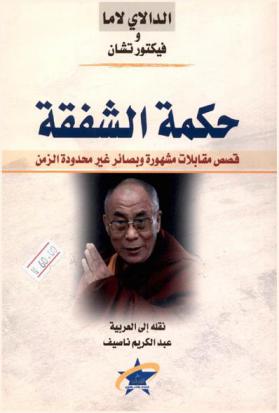
حكمة الشفقة : قصص مقابلات مشهورة وبصائر غير محدودة الزمن
تتعلم في هذا الكتاب حكمة الشفقة التي تتجلى في السعادة التي يشعر بها كل من المعطي والمتلقي بأمثلة من حياة الناس في الغرب والشرق والشمال والجنوب والكتاب يقدم الدالاي لاما إلى القارىء العربي فإنما تتوخى معرفة الآخر واحترام الآخر والتفاعل مع الآخر لخير البشر كل البشر بغض النظر عن معتقدهم وجنسهم ولونهم.
BOOK

A review of coccidiosis in South American camelids
Camelids (llamas, alpacas, vicuñas, guanacos) are important for the economy of South America and Eimeria infections are important as cause of mortality in camelids. Of the five most prevalent species of Eimeria in South American camelids, Eimeria macusaniensis, Eimeria lamae, Eimeria alpacae, Eimeria punoensis, and Eimeria ivitaensis, E. macusaniensis is considered the most pathogenic. There is considerable confusion concerning the endogenous developmental stages of Eimeria spp. in camelids. Many papers on camelid coccidiosis were published in local Peruvian journals, not easily accessible to wider audience. The objective of the present paper is to summarize information on history, validity of Eimeria species, life cycle, pathogenicity, prevalence, epidemiology, diagnosis, and control of coccidiosis in camelids.
Journal Article

الدالاي لاما : الرجل، الراهب والروحاني
يحكي الكتاب رجل يتحدى الصين الشعبية بملياراتها الأربعة وينجح في تحديه على مدى قرون وليست العبارة من أسطورة، بل هي حقيقة بطل التيبت الدالاي لاما الرابع عشر، الواقعي ببطولته وزهده وتنسكه وتعاليمه الانسانية المسالمة، الحائز جائزة نوبل للسلام عام 1998، الواقعي جدا الذي نسجت عنه عشرات الأساطير وقوي الشخصية وذو حضور لا يقاوم، صاحب قضية عادلة، زعيم سياسي وقائد روحي استقطب محبة واحترام كل أهالي التيبت طوعا لا كراهية، فضلا عن مودة وتقدير العالم.
BOOK

Medication adherence and persistence in chronic obstructive pulmonary disease patients receiving triple therapy in a USA commercially insured population
This longitudinal, retrospective cohort study of patients with COPD describes baseline characteristics, adherence, and persistence following initiation of inhaled corticosteroids (ICS)/long-acting β
-agonists (LABA)/long-acting muscarinic antagonists (LAMA) from multiple inhaler triple therapy (MITT).
Patients aged ≥40 years receiving MITT between January 2012 and September 2015 were identified from the IQVIA™ Real-world Data Adjudicated Claims-USA database. MITT was defined as subjects with ≥1 overlapping days' supply of three COPD medications (ICS, LABA, and LAMA). Adherence (proportion of days covered, PDC) and discontinuation (defined as a gap of 1, 30, 60, or 90 days of supply in any of the three components of the triple therapy) were calculated for each patient over 12 months of follow-up. In addition, analyses were stratified by number of inhalers.
In total, 14,635 MITT users were identified (mean age, 62 years). Mean PDC for MITT at 12 months was 0.37%. Mean PDC for the ICS/LABA and LAMA component at 12 months was 49% (0.49±0.31; median, 0.47) and 54% (0.54±0.33; 0.56), respectively. The proportion of adherent patients (PDC ≥0.8) at 12 months was 14% for MITT. Allowing for a 30-day gap from last day of therapy, 86% of MITT users discontinued therapy during follow-up.
Patients with COPD had low adherence to and persistence with MITT in a real-world setting. Mean PDC for each single inhaler component was higher than the mean PDC observed with MITT. Reducing the number of inhalers may improve overall adherence to intended triple therapy.
Journal Article
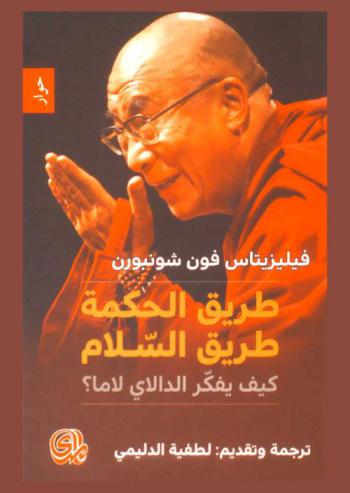
طريق الحكمة، طريق السلام : كيف يفكر الدالاي لاما ؟
يعد الدالاي لاما إحدى أكثر الشخصيات أهمية وتأثيرا في عالمنا المعاصر، ولست أغالي كثيرا أو أجانب الصواب إذا قلت إن مكانة الدالاي لاما وتأثيره في المشهد العالمي تفوق كثيرا تلك التي يمتلكها الكثير من مشاهير هذا العصر (بما فيهم السياسيون ونجوم هوليوود ورجال الأعمال وأصحاب النفوذ والسلطة السياسية أو المالية). تنبع أهمية شخصية الدالاي لاما كما أرى من حقيقتين: الأولى تتعلق بطبيعة شخصيته وهندسته البدنية؛ فهو يظهر دوما بوجه مبتسم لا يفارقه المرح والاسترخاء، وتلك خصيصتان ثمينتان قد يصارع الكثيرون في محاولة حيازتهما لكن من غير طائل، اما مع الدالاي لاما فتبدوان خصلتين طبيعيتين فيه. الحقيقة الثانية التي تؤكد أهمية شخصية الدالاي لاما فتتأتى من أنه- بالإضافة لكونه قائدا سياسيا يحمل على عاتقه عبء قضية شعبه التبتي- يطرح مفهوما للدين هو أقرب إلى النسق المجتمعي- السايكولوجي - الثقافي المغاير للمنظومة اللاهوتية الفقهية المتداولة؛ وعليه سيكون أمرا مثمرا الإستماع إلى آرائه التي يطرحها في شتى الموضوعات المهمة على الصعيدين الفردي والعالمي.
BOOK

Wireless nation: Infrastructural politics of Tibetan and Mongolian Morse codes in China
This article explores the history of the Tibetan and Mongolian Morse codes, devised by the Nationalist government between 1934 and 1937, by situating them within the infrastructural and political transformations that took place in China and Tibet during these four years. On the one hand, it demonstrates that the engineering of Tibetan and Mongolian Morse codes coincided with the global emergence of shortwave radio telegraphy which, for the first time, enabled communications between geographically distinct regions, such as Tibet and China. On the other hand, it also shows that the codes were devised at a critical political moment in Sino-Tibetan relations: with the death of the Thirteenth Dalai Lama in 1933 and the subsequent political ascendance of the Ninth Panchen Lama, the government believed that the Tibetan and Mongolian Morse codes would help the party rule over the Buddhist frontiers through an alliance with the Ninth Panchen Lama. This plan ultimately failed, as the Panchen Lama died in 1937, before he could take control of Tibet. In short, the government-funded coding project offers a lens into pondering the infrastructural politics of state-building in China.
Journal Article

In Exile from the Land of Snows : The Definitive Account of the Dalai Lama and Tibet Since the Chinese Conquest
Now considered a classic, this is an eloquent and compellingly told account of the Dalai Lama's exile from Tibet after its conquest by China.
Book
