
Catalogue Search | MBRL


Are you sure you want to remove the book from the shelf?

{{itemTitle}}
184
result(s) for
"LITERARY CRITICISM / European / Scandinavian"
Sort by:
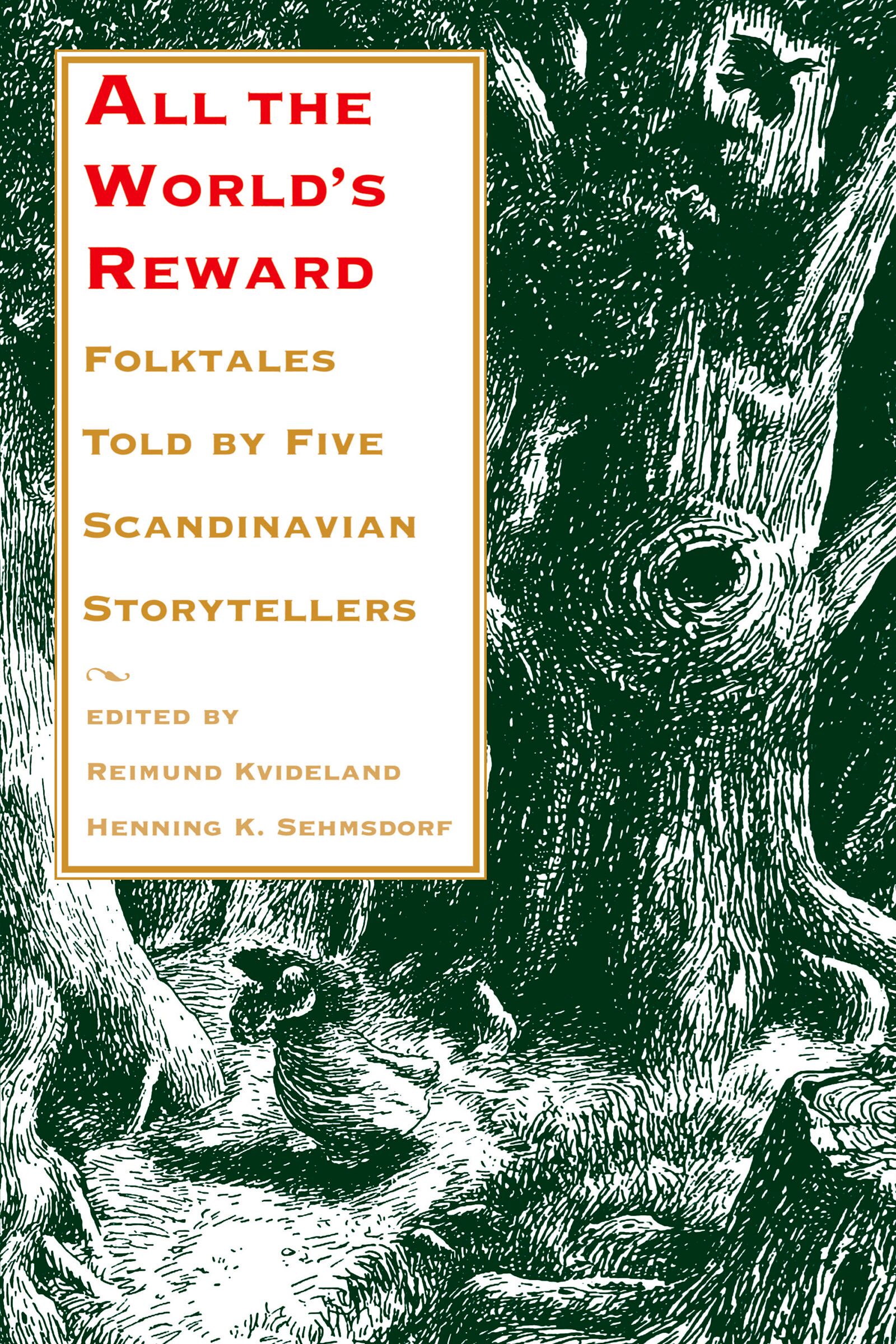
All the World's Reward
All the World's Reward presents ninety-eight tales from Norway, Denmark, Sweden, Swedish-speaking Finland, and Iceland. Each area is represented by the complete recorded repertoire of a single storyteller. Such a focus helps place the stories in the context of the communities in which they were performed and also reveals how individual folk artists used the medium of oral literature to make statements about their lives and their world. Some preferred jocular stories and others wonder tales; some performed mostly for adults, others for children; some used storytelling to criticize society, and others spun wish fulfillment tales to find relief from a harsh reality.For the most part collected a century ago, the stories were gleaned from archives and printed sources; the Icelandic repertoire was collected on audiotape in the 1960s. Each repertoire was selected by a noted folklorist. Introductions to the storytellers and collectors and commentaries and references for the tales are provided. A general introduction, a comprehensive bibliography, and an index of the tales according to Aarne-Thompson's typology are also included. Period illustrations add charm to the stories.
eBook

Death in a cold climate : a guide to Scandinavian crime fiction
01
02
Death in a Cold Climate is a celebration and analysis of Scandinavian crime fiction, one of the most successful literary genres. Barry Forshaw, the UK's principal expert on crime fiction, discusses books, films and TV adaptations, from Sjöwall and Wahlöö's influential Martin Beck series through Henning Mankell's Wallander to Stieg Larsson's demolition of the Swedish Social Democratic ideal in the publishing phenomenon The Girl with the Dragon Tattoo . In intelligent but accessible fashion, the book examines the massive commercial appeal of the field along with Nordic cultural differences from Iceland to Denmark. Including unique interview material with writers, publishers and translators, this is the perfect reader's guide to the hottest strand of crime fiction today, examined both as a literary form and as an index to the societies it reflects. Includes Stieg Larsson, Henning Mankell, Jo Nesbø, Håkan Nesser, Karin Fossum, Camilla Läckberg, Liza Marklund, Jussi Adler-Olsen, Arnaldur Indriðason, Roslund & Hellströmand many others.
04
02
Acknowledgments Introduction Crime and the Left The Cracks Appear: Henning Mankell Sweden: The Dream Darkens Sweden: Foreign Policy and Unreliable Narratives Last Orders: The Larsson Phenomenon The Fight Back: Anti-Larsson Writers Criminals and Criminologists Norway: Crime and Context Norway and Nesbø Iceland: Crime and Context Fringe Benefits: Icelandic Woes Finland: Crime and Context Death in Denmark Danish Uncertainties Film and TV Adaptations Bibliography Index
31
02
A celebration and analysis of Scandinavian crime fiction, one of the most successful literary genres, with a focus on books, films and TV adaptations of authors such as Stieg Larsson.
08
02
'Extensive, penetrating and intelligently written, Barry Forshaw's book is the most fulfilling work on the strange genre of Nordic Noir I have ever encountered.' - Håkan Nesser, author of The Inspector and Silence 'Death in a Cold Climate is a comprehensive and authoritative guide to the fictional underbelly of the Nordic psyche, whose popularity has become the publishing sensation of the century. Perceptive, witty and awesomely well-researched.' - Andrew Taylor, author of The American Boy 'Far more than a checklist, this is the essential guide through the snowdrifts of Nordic Noir.' Val McDermid, author of The Wire in the Blood 'With customary depth and precision, Forshaw gets under the skin of this celebrated genre, uncovering many of its secrets and riches. Like its subjects, this book is hard to put down, and will undoubtedly be returned to time and again.' - Dr Steven Peacock, University of Hertfordshire, UK 'A fascinating, comprehensive and very enjoyable overview of the publishing phenomenon that is Nordic noir, placing it in a cultural and historical context, with insightful contributions from writers, translators and editors - an essential reading guide for lovers of the crime genre.' - Laura Wilson, crime fiction critic, The Guardian 'The sudden triumphant rise of Nordic mystery stories is a fascinating puzzle of modern literature. With forensic intelligence, captivating characters, riveting clues and sub-plots, Barry Forshaw investigates and satisfyingly explains what happened.' - Mark Lawson 'Not a stone is left unturned in Barry Forshaw's witty, encyclopedic investigation into the fictional crimes that have made Scandinavia the most talked about region in the world of books. Death in a Cold Climate is a unique and admirable personal testament to the writers, translators and publishers who have dedicated themselves to introducing Scandinavian crime fiction, its many languages and cultures, to the English speaking world. If upon turning the last page of Forshaw's book you are not immediately heading for the nearest bookstore to buy up every Scandinavian crime novel on its shelves, you were probably not meant to read this book in the first place.' - Jakob Stougaard-Nielsen, University College London, UK 'What Barry Forshaw doesn't know about crime fiction, to borrow an old phrase, isn't worth knowing. A journalist, chronicler of the genre, and talking head for the CWA Awards, with Death in a Cold Climate he covers in depth the extraordinarily popular sub-genre that is Nordic noir...Through interviews with authors and translators, Forshaw offers in-depth takes on the cream of the Nordic crop...an informative and educational effort from perhaps the nation's leading expert in the field.' - Dennis O'Donnell, bookgeeks.co.uk
'Death in a Cold Climate is both intelligent and perceptive. Humble it is not. It is, to my knowledge, the most complete guide to Scandinavian crime fiction yet written in any language, an invaluable companion for anyone interested in the genre.'
- Mons Kallentoft, Financial Times
02
02
Barry Forshaw, the UK's principal crime fiction expert, presents a celebration and analysis of the Scandinavian crime genre; from Sjöwall and Wahlöö's Martin Beck series, through Henning Mankell's Wallander, to Stieg Larsson's demolition of the Swedish Social Democratic ideal in the publishing phenomenon The Girl with the Dragon Tattoo .
16
02
Arvas & Nestingen (eds): SCANDINAVIAN CRIME FICTION (EUROPEAN CRIME FICTIONS SERIES); University of Wales Press, forthcoming 2011 (pbk £24.99) This is the only study in English of Nordic crime fiction. It is an edited volume exploring the cultural contexts into which Nordic crime fiction fits via thirteen articles on the history, aesthetics, and film and television adaptation of Nordic crime fiction.
19
02
Scandinavian crime fiction is currently one of the most successful popular fiction genres Includes exclusive interview material with authors, translators and publishers of Scandinavian crime fiction This is the first in-depth study of Scandinavian crime fiction Places key authors in their relevant context to explore the ways in which British and American notions of the Nordic democratic ideal have changed Highly experienced and proactive author
13
02
BARRY FORSHAWis a writer and journalist specialising in crime fiction and cinema. His books include The Man Who Left Too Soon: The Life and Works of Stieg Larsson (2010), British Crime Writing: An Encyclopedia (2008), The Rough Guide to Crime Fiction (2007), Italian Cinema: Arthouse to Exploitation (2006) and the forthcoming British Crime Film (2012), and he has contributed to the Directory of World Cinema . He has also written for a variety of national newspapers as well as for Movie Mail , Waterstone's Books Quarterly and Good Book Guide and is editor of the online Crime Time magazine. He is also a talking head for the ITV Crime Thriller author profiles and BBC TV documentaries, and has been Vice Chair of the Crime Writers' Association.
eBook
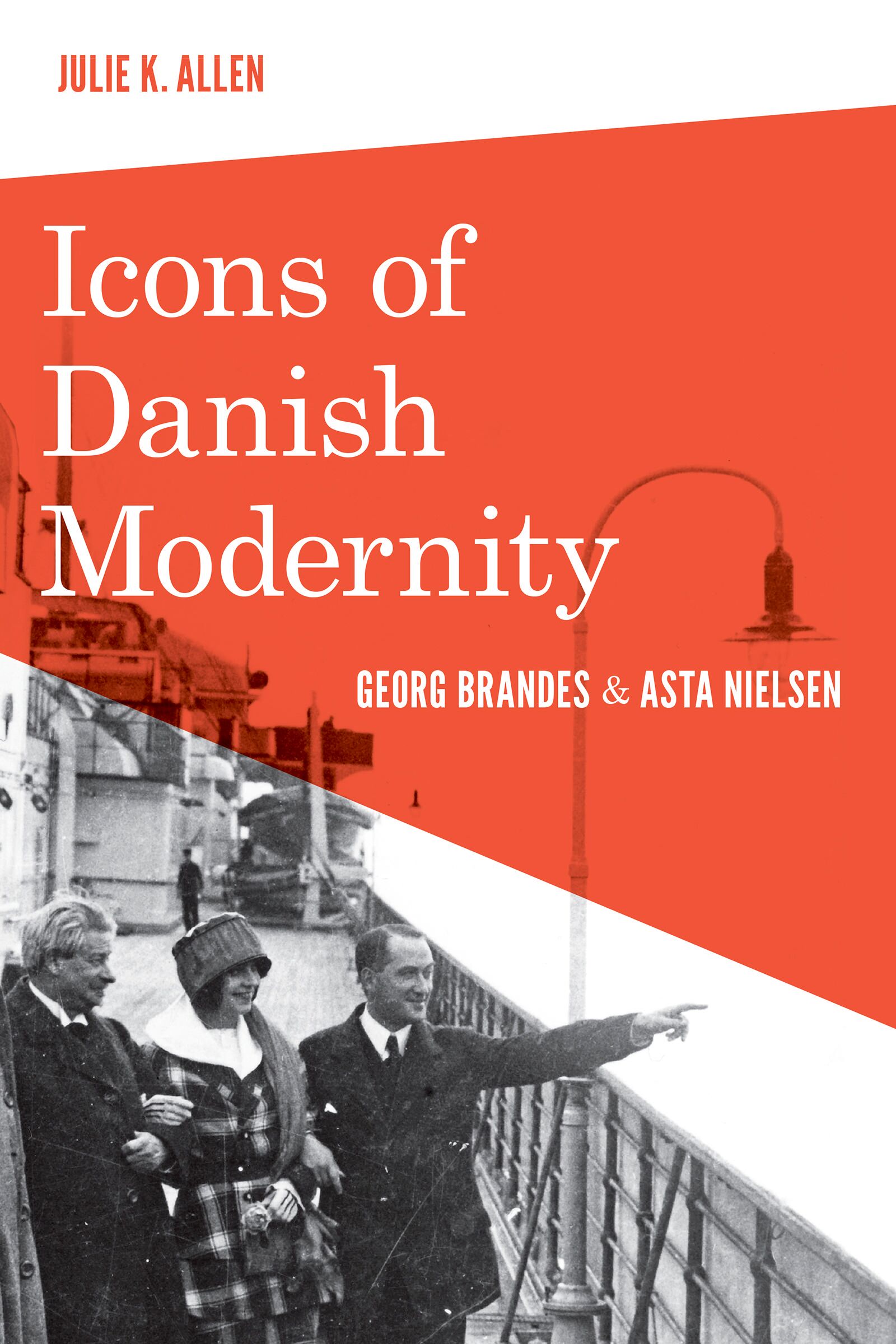
Icons of Danish Modernity
Julie Allen utilizes the lives and friendship of the Danish literary critic George Brandes (1842-1927) and the silent film star Asta Nielsen (1881-1972) to explore questions of culture and national identity in early twentieth-century Denmark. Danish culture and politics were influenced in this period by the country's deeply ambivalent relationship with Germany. Brandes and Nielsen, both of whom lived and worked in Germany for significant periods of time, were seen as dangerously cosmopolitan by the Danish public, even while they served as international cultural ambassadors for the very society that rejected them during their lifetimes. Allen argues that they were the prototypical representatives of a socially liberal and culturally modern \"Danishness\" (Danskhed) that Denmark itself only gradually (and later) grew into.This lively study brings its central characters to life while offering an original, thought provoking analysis of the origins and permutations of Danish modernism and Danish national identity--issues that continue to be significant in today's multi-ethnic Denmark. Icons of Danish Modernity is a book about the uneasy waves that arise when celebrities take on national symbolism, and the beginnings of this formula in the early twentieth century.
eBook
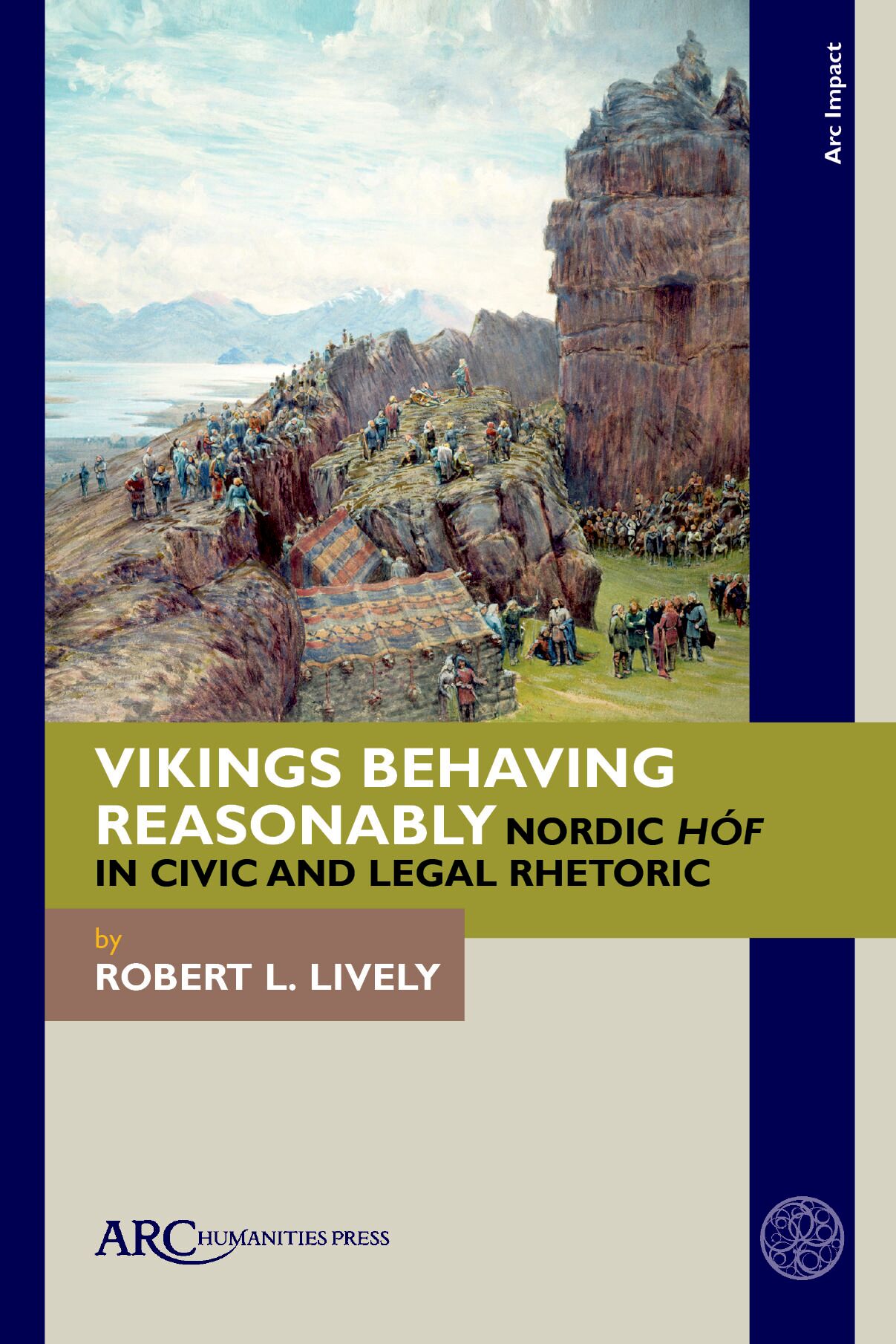
Vikings Behaving Reasonably
Rather than being the lawless barbarian society that history and popular culture have painted it, medieval Scandinavian culture was complex and nuanced. This book fundamentally challenges our stereotypes of the Vikings, and interrogates the use of a \"rhetoric of reasonableness\" (hóf) in medieval Nordic society to give voice to this hitherto silenced tradition. Civic rhetoric relied heavily on hóf to keep community customs manageable. In small towns and villages without central bureaucracies, reasonableness became important to the peaceful functioning of civil society. Legal rhetoric was also based on hóf. If civic actions became potentially violent, then the courts needed means of redress, and a way to maintain the peace in the locality. The Scandinavian tradition of court cases appears both in the early laws and in several sagas, allowing a picture of the rhetorical stance of hóf to emerge through Nordic legal processes.
eBook

Old Norse Folklore
The medieval northern world consisted of a vast and
culturally diverse region both geographically, from roughly
Greenland to Novgorod and culturally, as one of the last areas of
Europe to be converted to Christianity . Old Norse
Folklore explores the complexities of thisfascinating world in
case studies and theoretical essays that connect orality and
performance theory to memory studies, and myths relating to
pre-Christian Nordic religion to innovations within late medieval
pilgrimage song culture.
Old Norse Folklore provides critical new perspectives
on the Old Norse world, some of which appear in this volume for the
first time in English. Stephen A. Mitchell presents emerging
methodologies by analyzing Old Norse materials to offer a better
understandings ofunderstanding of Old Norse materials. He examines,
interprets, and re-interprets the medieval data bequeathed to us by
posterity-myths, legends, riddles, charms, court culture,
conversion narratives, landscapes, and mindscapes-targeting largely
overlooked, yet important sources of cultural insights.
eBook
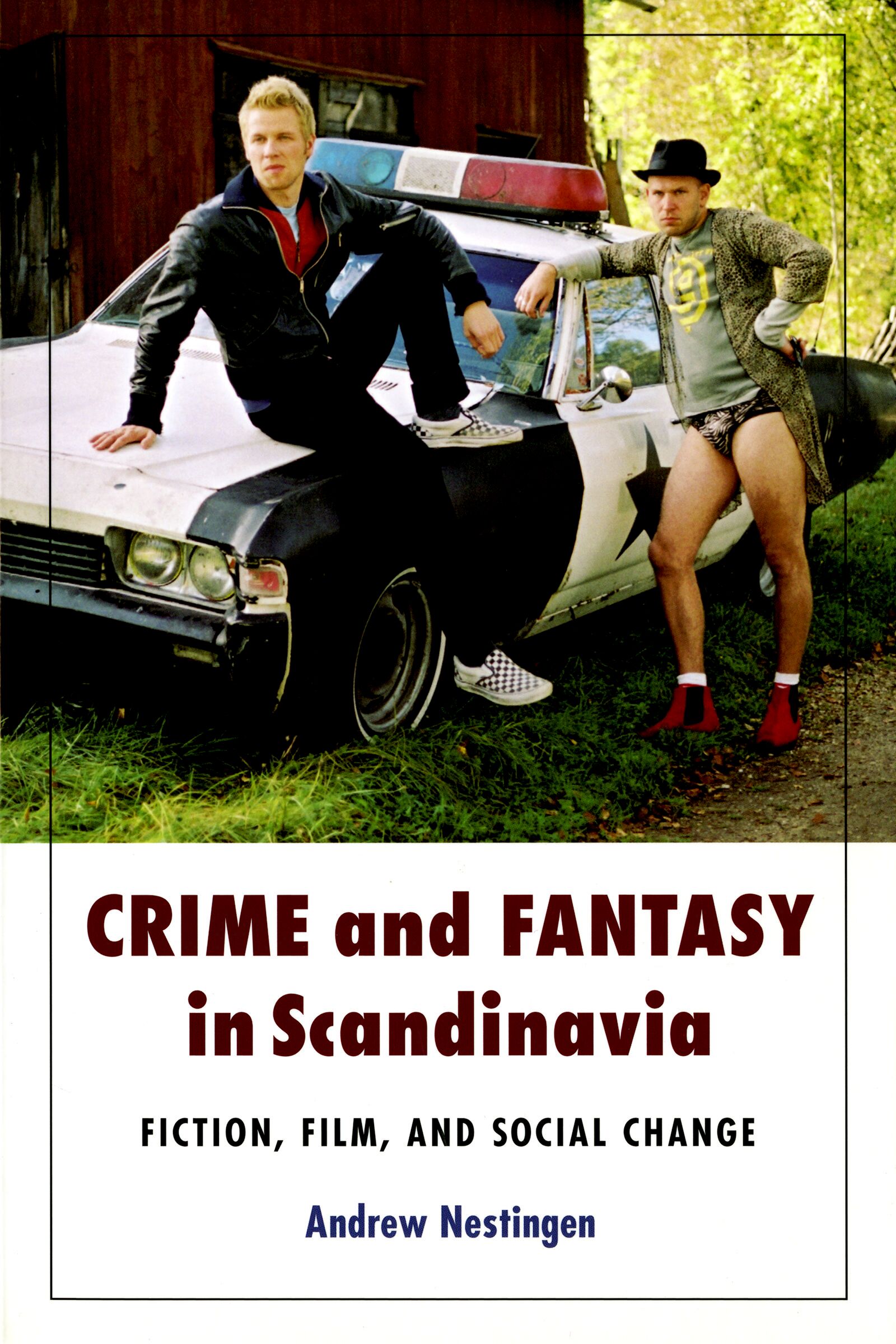
Crime and Fantasy in Scandinavia
Scandinavian popular novels and films have flourished in the last thirty years. In Crime and Fantasy in Scandinavia, Andrew Nestingen argues that the growth and visibility of popular culture have been at the heart of the development of heterogeneous \"publics\" in Scandinavia, in opposition to the homogenizing influence of the post-World War II welfare state. Novels and films have mobilized readers and viewers, serving as a preeminent site for debates over individualism, collectivity, national homogeneity, gender, and transnational relations.Crime and Fantasy in Scandinavia provides insight into the changing nature of civil society in Scandinavia through the lens of popular culture. Nestingen develops his argument through the examination of genres where the central theme is individual transgression of societal norms: crime films and novels, melodramas, and fantasy fiction. Among the internationally known writers and filmmakers discussed are Henning Mankell, Aki Kaurismäki, Lukas Moodysson, and Lars von Trier.
eBook
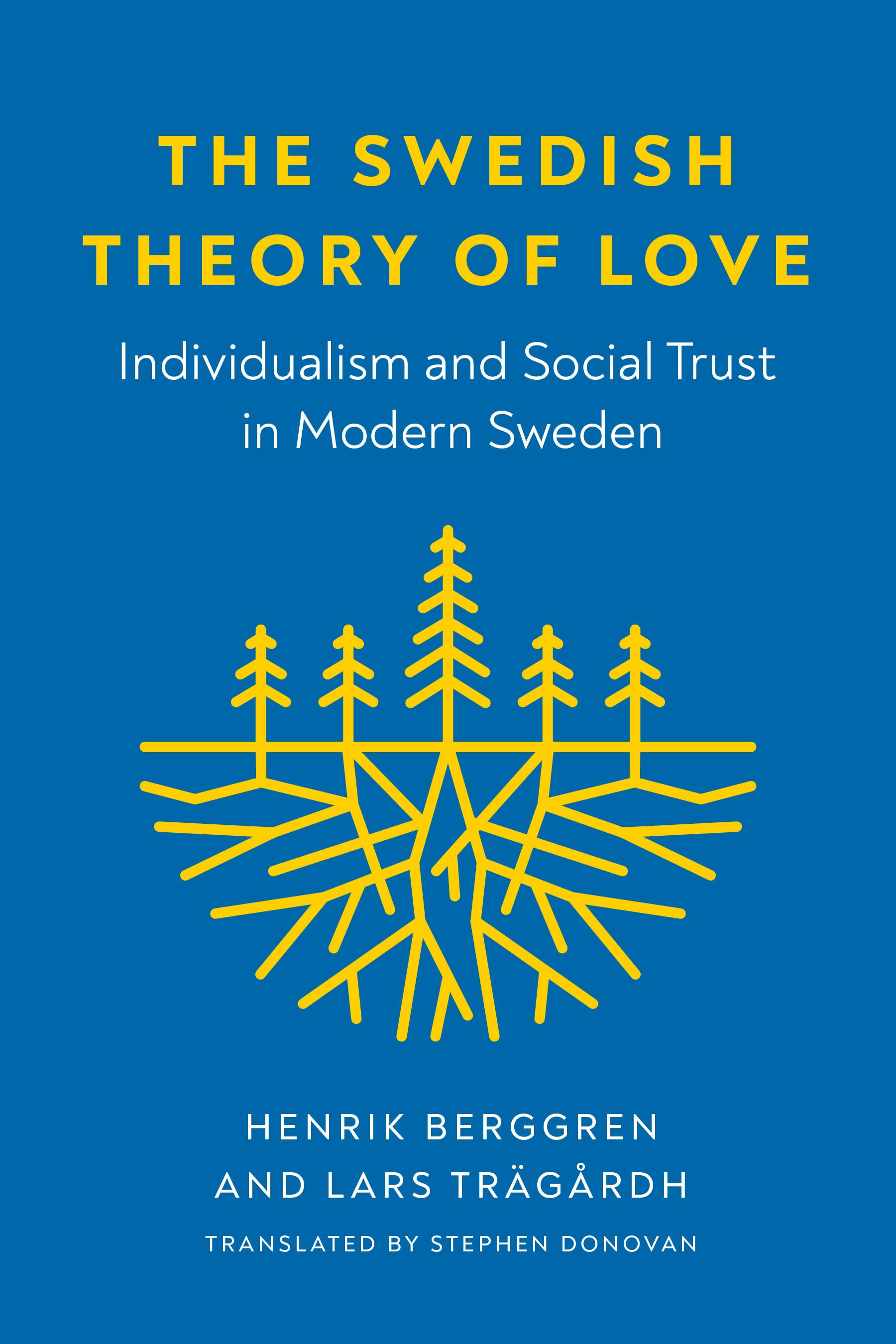
The Swedish Theory of Love
In 2020 Sweden's response to COVID-19 drew renewed attention to the Nordic nation in a way that put the finger on a seeming paradox. Long celebrated for its commitment to social solidarity, Sweden suddenly emerged as the last country in the West to resist lockdown while defending individual rights and responsibilities. To explain these contradictions, Henrik Berggren and Lars Trägårdh argue that the long-standing view of Sweden's welfare state as the result of socialist collectivism is flawed. While social values have been and remain strong, they have co-existed with a radical form of individualism.The English edition of the Swedish bestseller Är svensken människa?, The Swedish Theory of Love examines a political culture that stresses individual autonomy on the one hand and trust in the state on the other. Delving into Swedish philosophy, cultural studies, sociology, literary criticism, and political science, the book moves beyond the perspective of rational social engineering to uncover the moral logic behind Sweden's welfare state: the notion that human relationships based on dependency and subordination lead to inauthenticity and that equality and autonomy are preconditions for genuine love and affection.
eBook
Soren Kierkegaard: Entweder - Oder
Entweder - Oder bezeichnet in genialer Weise die Wendung der Philosophie des 19. Jh.s zur Konkretion des humanen Existierens. In Gestalt eines modernen Romans, der Denk- und Schreibformen virtuos wechselt, offeriert Kierkegaards frühes Hauptwerk eine philosophische Analyse der Lebensformen des Ästhetischen, Ethischen (und Religiösen). Dieses ,,Monstrum von einem Buch\" wird hier auf dem aktuellen Stand der Forschung zugänglich.
eBook
Handbook of Pre-Modern Nordic Memory Studies
In recent years, the field of Memory Studies has emerged as a key approach in the Humanities and Social Sciences, and has increasingly shown its ability to open new windows on Nordic Studies as well. The entries in this book document the work-to-date of this approach on the pre-modern Nordic world (mainly the Viking Age and the Middle Ages, but including as well both earlier and later periods). Given that Memory Studies is an ever expanding critical strategy, the approximately eighty contributors in this volume also discuss the potential for future research in this area. Topics covered range from texts to performance to visual and other aspects of material culture, all approached from within an interdisciplinary framework. International specialists, coming from such relevant fields as archaeology, mythology, history of religion, folklore, history, law, art, literature, philology, language, and mediality, offer assessments on the relevance of Memory Studies to their disciplines and show it at work in case studies. Finally, this handbook demonstrates the various levels of culture where memory had a critical impact in the pre-modern North and how deeply embedded the role of memory is in the material itself.
eBook