
Catalogue Search | MBRL


Are you sure you want to remove the book from the shelf?

{{itemTitle}}
3,098
result(s) for
"Landscape photography."
Sort by:

Active landscape photography. Diverse practices
\"Diverse Practices, the third book in the Active Landscape Photography series presents a set of unique photographic examples for site specific investigations of landscape places. Contributed by authors across academia, practice and photography each chapter serves as both a rigorous discussion about the photographic methods and their underlying concepts and case studies of specific projects, places and landscape issues. Specific project sites include the Miller Garden, Olana, XX Miller Prize and the Philando Castile Peace Garden. Landscape places discussed include the archeological landscapes of north Peru, watery littoral zones, the remote White Pass in Alaska, Sau Paulo, and New York City's Chinatown. Photographic image making approaches include the use of lidar, repeat photography, collage, mapping, remote image capture, portraiture, image mining of internet sources, visual impact assessment, cameraless photography, transect walking and interviewing. These diverse practices demonstrate how photography, when utilized through a set of specific critical methods, becomes rich processes for investigating the landscape. Exploring this concept in relationship to specific contemporary sties and landscape issues reveals the intricacy and subtlety that exists when photography is used actively. Practitioners, academics, students and researchers will be inspired by the underlying concepts of these examples and come away with a better understanding about how to create their own rigorous photographic practices\"-- Provided by publisher.
Book

A Planetary Lens
A Planetary Lens delves into the history of the
photo-book, the materiality of the photographic image on the page,
and the cultural significance of landscape to reassess the value of
print, to locate the sites where stories resonate, and to listen to
western women's voices. From foundational California photographers
Anne Brigman and Alma Lavenson to contemporary Native poets and
writers Leslie Marmon Silko and Joy Harjo, women artists have used
photographs to generate stories and to map routes across time and
place. A Planetary Lens illuminates the richness and
theoretical sophistication of such composite texts. Looking beyond
the ideologies of wilderness, migration, and progress that have
shaped settler and popular conceptions of the region, A
Planetary Lens shows how many artists gather and assemble
images and texts to reimagine landscape, identity, and history in
the U.S. West. Based on extensive research into the production,
publication, and circulation of women's photo-texts, A
Planetary Lens offers a fresh perspective on the entangled and
gendered histories of western American photography and literature
and new models for envisioning regional relations.
eBook

Landmark : the fields of landscape photography
Landscape photography has traveled far from its origins in the picturesque or pastoral. It is at the cutting edge of contemporary image-making with leading photographers creating work that transcends definitions of art or documentary. This is the first truly international survey of a vibrant, burgeoning field of photography, its masterful image-makers, and their work. William A. Ewing has selected more than 230 photographs by over 100 photographers, ranging from renowned figures such as Susan Derges, Edward Burtynsky, and Simon Norfolk, to younger rising stars including Pieter Hugo, Olaf Otto Becker, and Penelope Umbrico. Each of them represents an individual viewpoint of a shared concernfor our changing landscape and environment. Organized into ten themes Sublime; Pastoral; Artefacts; Rupture; Playground; Scar; Control; Enigma; Hallucination; and Reverie Landmark is an intelligent and poetic survey which captures a genre of photography to perfection.\"
Book

Ghostly Landscapes
In Ghostly Landscapes , Patricia M Keller analyses the aesthetics of haunting and the relationship between ideology and image production by revisiting twentieth-century Spanish history through the camera’s lens. Through its vision she demonstrates how the traumatic losses of the Spanish Civil War and their systematic denial and burial during the fascist dictatorship have constituted fertile territory for the expressions of loss, uncanny return, and untimeliness that characterize the aesthetic presence of the ghost.
Examining fascist documentary newsreels, countercultural art films from the Spanish New Wave, and conceptual landscape photographs created since the transition to democracy, Keller reveals how haunting serves to mourn loss, redefine space and history, and confirm the significance of lives and stories previously hidden or erased. Her richly illustrated book constitutes a significant reevaluation of fascist and post-fascist Spanish visual culture and a unique theorization of haunting as an aesthetic register inextricably connected to the visual and the landscape.
eBook


Meaningful Places
The early history of photography in America coincided with the Euro-American settlement of the West. This thoughtful book argues that the rich history of western photography cannot be understood by focusing solely on the handful of well-known photographers whose work has come to define the era. Art historian Rachel Sailor points out that most photographers in the West were engaged in producing images for their local communities. These pictures didn't just entertain the settlers but gave them a way to understand their new home. Photographs could help the settlers adjust to their new circumstances by recording the development of a place—revealing domestication, alteration, and improvement.
The book explores the cultural complexity of regional landscape photography, western places, and local sociopolitical concerns. Photographic imagery, like western paintings from the same era, enabled Euro-Americans to see the new landscape through their own cultural lenses, shaping the idea of the frontier for the people who lived there.
eBook
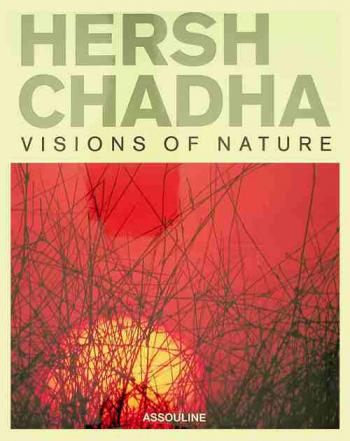
Visions of nature
\"When photographer Hersh Chadha looks through his camera's lens, he sees the world as only he can--one man's vision brimming with life and vigor, full of contradictions, yet forming a harmonious whole. Largely self-taught, he eschews photography aids such as filters or artificial lights. Chadha captures the essence of the moment in all its simplicity and purity, whether at the mouth of a volcano, the heart of the jungle, or on a city street. Hersh Chadha is an internationally recognized photographer and an advocate of endangered species, climates, and ways of life. A devoted naturalist, Chadha works with WWF International, among other groups. He runs a global network of diverse business activities and is avidly involved with environmental and charity organizations. A native of India, he lives in Dubai\"--Publisher's web site.
Book
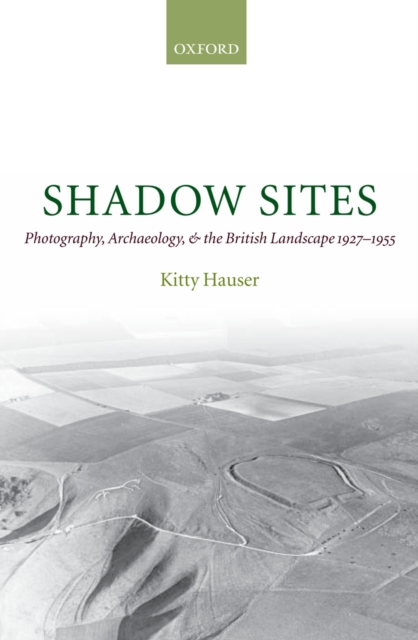
Shadow sites : photography, archaeology, and the British landscape, 1927-1955
In mid-twentieth-century Britain, an archaeological vision of the British landscape reassured and enchanted a number of writers, artists, photographers, and film-makers. From John Piper, Eric Ravilious and Shell guide books, to photographs of bomb damage, aerial archaeology, and The Wizard of Oz, Kitty Hauser delves into these evocative interpretat.
eBook
Landmark : the fields of landscape photography
Landscape photography has traveled far from its origins in the picturesque or pastoral. It is at the cutting edge of contemporary image-making with leading photographers creating work that transcends definitions of art or documentary. This is the first truly international survey of a vibrant, burgeoning field of photography, its masterful image-makers, and their work. William A. Ewing has selected more than 230 photographs by over 100 photographers, ranging from renowned figures such as Susan Derges, Edward Burtynsky, and Simon Norfolk, to younger rising stars including Pieter Hugo, Olaf Otto Becker, and Penelope Umbrico. Each of them represents an individual viewpoint of a shared concern for our changing landscape and environment. Organized into ten themes, Landmark is an intelligent and poetic survey which captures a genre of photography to perfection.
Book

The Day in Its Color
Featuring over a hundred evocative images, The Day in Its Color sheds new light on the everyday American landscape from the 1930s through the 1960s.
eBook