
Catalogue Search | MBRL


Are you sure you want to remove the book from the shelf?

{{itemTitle}}
36,206
result(s) for
"Language identity"
Sort by:


The nature and dimensions of L2 identity in Iranian EFL context: a mixed-methods study using MLIQ
Due to the impact of different L2 identity dimensions on forming a unified language identity, thestudy followed an explanatory mixed-methods design to investigate levels of different L2 identity dimensions of Iranian EFL learners. A sample of 1,018 purposively selected learners filled out a researcher-made Questionnaire (MLIQ), and 30 of them took part in an Interview phase. PCA was used to determine the construct validity of the MLIQ, and the model fit of the data was determined through the SEM, using the AMOS. Data analysis using descriptive statistics and qualitative interpretations revealed that Iranian EFL learners had moderate levels of L2 identity with higher levels of homogeneous, overt, convergent, dynamic, intransitive, and inclusion SLID and an average level of active vs. passive dimension. The results of the interview questions showed that EFL learners developed their L2 identities more systematically and expanded their knowledge on social, national and cognitive dimensions to manifest their balanced L2 identity dimensions. Language learners and teachers can utilize the findings and balance their in-between and transitional identities in a way that they can protect their original and hybrid language identities and foster them through other complementary identities, in non-threatening manners, toward a more positive continuum on SLID.
Journal Article

Language is politics : exploring an ecological approach to language
\"Language is Politics discusses power relations between languages in the world, with a particular focus on English. Even though English is the most widely spoken and the most powerful language worldwide, it is not the lingua franca it is often supposed to be. The basic tenet of this book is that languages do not exist in the natural world; they are artefacts made by humans. The book debunks some common myths about language and it suggests that we should be more modest in our assumptions, for instance concerning the linguistic uniqueness of our own species. The author argues in favour of an ecological or balanced approach to language. This approach sees humans and other animals as part of the larger ecosystems that life depends on. As in nature, diversity is crucial to the survival of languages. The current linguistic ecosystem is out of balance and this book shows that education can help to restore the balance and cope with the challenges of a multilingual and multicultural world. With an ecological approach to language and a focus on narratives, personal language histories, this will be key reading for researchers and academics as well as students of English language and linguistics\"-- Provided by publisher.
Book

The Effects of English Language Learning on the Perception and Value of Regional and National Identity in Colombia
The link between language and identity is an essential concept in modern sociolinguistics and applied linguistics. While the relationship between target language and target language identity has been amply studied, the relationship between foreign language learning and original national and regional identity has yet to be explored. This study was a quantitative survey applied to 400 people with different levels of EFL instruction in Ibagué, Colombia that sought to determine the nature of the relationship between EFL and variations in the worth and perception of regional and national identity over time of exposure to EFL. The findings were that EFL instruction over time increased the perceived worth of Colombian national identity significantly while slightly increasing the positive perception of regional (Tolimense) identity over the course of three years.
Journal Article

Language, identity and symbolic culture
\"Language is integral to the construction of personal, socio-cultural and socio-political identities. Language, Identity and Symbolic Culture closely investigates the relationship between language and identities, offering a comprehensive yet progressive view of how linguistics relates to development and education, both in theoretical and real world applications. Progressing from a theoretical core examining the connection between language and individual identity, this book moves on to look at the wider socio-political discourse involving the marginalization and resistance of communities in the world. Beginning with the philosophical paradigms of language, Evans questions whether language shapes personal identities in its daily use or whether language is simply a tool for describing, rather than creating, the world. Extrapolating on this, the contributors utilize case studies from across the globe to see how these linguistic perspectives are played out in the real world, considering the role of language in issues surrounding power, colonization, marginalization and education. Language, Identity and Symbolic Culture offers a view of language identity conflicts around the world and an understanding of the opportunities of political and cultural emancipation created through language and open discourse.\"--Back cover.
Book

I Participate; Therefore, I Am (And I Learn): Researching Learners’ Multilingual Identity in the Multilingual School Context
This study examines the relationship between the participation of multilingual students in FAL (French as an additional language) classroom and language learners’ identities associated with the related community of practice. Classroom participation, a key concept of the study, is defined as a verbal form of learners’ investment in language learning, which can both enhance language learning and change the identity of language learners. The research was conducted in an international multilingual school in Croatia among eight 5th grade multilingual and multicultural students learning French as an additional language. For data collection purposes, French language lessons and twelve video recordings with a total length of approx. 480 minutes were observed and taped. A qualitative analysis of the participation of each student was conducted with the regard to the power relations among members of the classroom. The analysis revealed that, from the chosen theoretical perspective where an additional language is seen both as a tool of power and a tool for power, the identity of language learners can be described as a dynamic combination of some of the following identity positions: a language learner in a position of power, a language learner in a higher position of power than others, a language learner in a reduced position of power but eager for a position of power, a language learner in a reduced position of power but not eager for a position of power. The results of this study are consistent with the main assumptions about the identity of language learners made by other socially oriented authors in SLA (Norton-Peirce, 1995; Pavlenko & Blackledge, 2004; Darvin & Norton, 2015), according to which language learners’ identity is multiple, dynamic, discursively shaped and context-dependent.
Journal Article
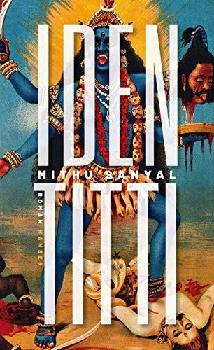
Identitti : Roman
Shortlist des Deutschen Buchpreises 20210. Shortlist des aspekte-Literaturpreises 2021. Was für ein Skandal: Prof. Dr. Saraswati ist WEISS! Schlimmer geht es nicht. Denn die Professorin für Postcolonial Studies in Düsseldorf war eben noch die Übergöttin aller Debatten über Identität und beschrieb sich als Person of Colour. Als würden Sally Rooney, Beyoncé und Frantz Fanon zusammen Sex Education gucken, beginnt damit eine Jagd nach echter Zugehörigkeit. Während das Netz Saraswati hetzt und Demos ihre Entlassung fordern, stellt ihre Studentin Nivedita ihr intimste Fragen. Mithu Sanyal schreibt mit beglückender Selbstironie und befreiendem Wissen. Den Schleudergang dieses Romans verlässt niemand, wie er*sie ihn betrat.

Does Language Matter? Identity-First Versus Person-First Language Use in Autism Research: A Response to Vivanti
In response to Vivanti’s ‘Ask The Editor…’ paper [Journal of Autism and Developmental Disorders, 50(2), 691–693], we argue that the use of language in autism research has material consequences for autistic people including stigmatisation, dehumanisation, and violence. Further, that the debate in the use of person-first language versus identity-first language should centre first and foremost on the needs, autonomy, and rights of autistic people, so in to preserve their rights to self-determination. Lastly, we provide directions for future research.
Journal Article

Language and identity in the Arab world
\"Language and Identity in the Arab World explores the inextricable link between language and identity, referring particularly to the Arab world. Spanning from Indonesia to the United States, the Arab world is here imagined as a continually changing one, with the Arab diaspora asserting its linguistic identity across the world. Crucial questions on transforming linguistic landscapes, the role and implications of migration, the impact of technology on language use are explored by established and emerging scholars in the field of applied and socio-linguistics. The book asks such crucial questions as how language contact affects or transforms identity, how language reflects changing identities among migrant communities, and how language choices contribute to identity construction in social media. As well as appreciating the breadth and scope of the Arab world, this anthology focuses on the transformative role of language within indigenous and migrant communities as they negotiate between their heritage languages and those spoken by the wider society. Investigating the ways in which identify continues to be imagined and re-constructed in, and among Arab communities, this book is indispensable to students, teachers and anyone who is interested in language contact, linguistic landscapes, minority language retention as well as the intersections of language and technology\"-- Provided by publisher.
Book
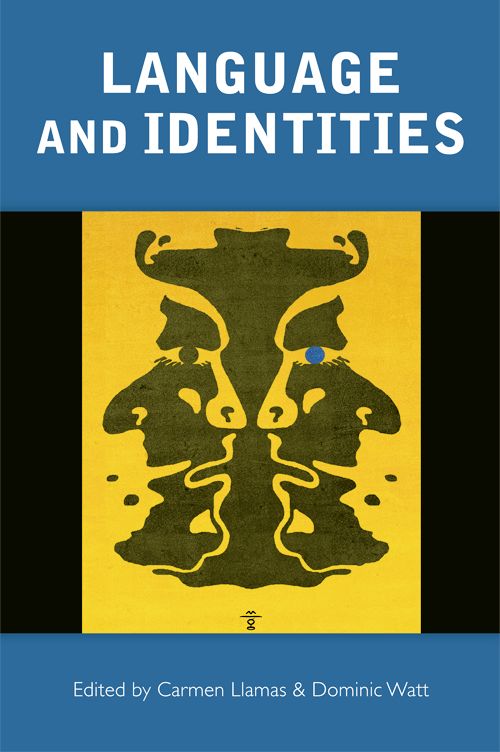
Language and identities
Offers new insights into how we use language to construct, maintain and project multi-faceted identities as they emerge in differing contexts.
eBook