
Catalogue Search | MBRL


Are you sure you want to remove the book from the shelf?

{{itemTitle}}
4,874
result(s) for
"Learning Disabilities - therapy"
Sort by:
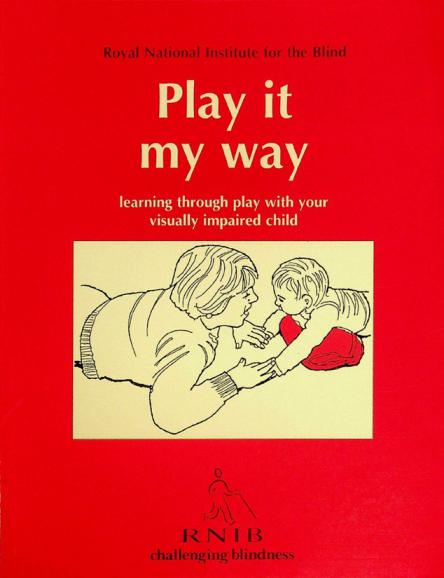
Play it my way : learning through play with your visually impaired child
Parents who are bringing up a visually impaired child should find many ideas in this book. The activities suggested are easy to carry out at home since many encourage imaginative use of everyday items to help visually impaired children find out more about the world around them.

Executive functions and school readiness intervention: Impact, moderation, and mediation in the Head Start REDI program
Despite their potentially central role in fostering school readiness, executive function (EF) skills have received little explicit attention in the design and evaluation of school readiness interventions for socioeconomically disadvantaged children. The present study examined a set of five EF measures in the context of a randomized-controlled trial of a research-based intervention integrated into Head Start programs (Head Start REDI). Three hundred fifty-six 4-year-old children (17% Hispanic, 25% African American; 54% girls) were followed over the course of the prekindergarten year. Initial EF predicted gains in cognitive and social–emotional skills and moderated the impact of the Head Start REDI intervention on some outcomes. The REDI intervention promoted gains on two EF measures, which partially mediated intervention effects on school readiness. We discuss the importance of further study of the neurobiological bases of school readiness, the implications for intervention design, and the value of incorporating markers of neurobiological processes into school readiness interventions.
Journal Article

Overcoming learning disabilities : a Vygotskian-Lurian neuropsychological approach
\"This book is dedicated to methods of preventing or overcoming learning disabilities based on the ideas of the great Russian psychologists Lev Vygotsky and Alexander Luria. The typical forms of learning disablities are described, and the effective methods of remediation of attention, executive functions (working memory and cognitive control), spatial and visual-verbal functions are discussed in details, The book has many illustrations of typical errors of children with learning disabilities and examples of remedial tasks. The book is useful for qualified psychologists and students, teachers and parents of children with learning disablities\"--Provided by publisher.
Book

Diverse learners: learning disabilities and quality of life following mind–body and health education interventions for adults with neurofibromatosis
Purpose
Neurofibromatosis (NF) is associated with low quality-of-life (QoL). Learning disabilities are prevalent among those with NF, further worsening QoL and potentially impacting benefits from mind–body and educational interventions, yet research on this population is scarce. Here, we address this gap by comparing NF patients with and without learning disabilities on QoL at baseline and QoL-related gains following two interventions.
Methods
Secondary analysis of a fully-powered RCT of a mind–body program (Relaxation Response Resiliency Program for NF; 3RP-NF) versus an educational program (Health Enhancement Program for NF; HEP-NF) among 228 adults with NF. Participants reported QoL in four domains (Physical Health, Psychological, Social Relationships, and Environmental). We compare data at baseline, post-treatment, and 12-month follow-up, controlling for intervention type.
Results
At baseline, individuals with NF and learning disabilities had lower Psychological (T = -3.0,
p
= .001) and Environmental (T = -3.8,
p
< .001) QoL compared to those without learning disabilities. Both programs significantly improved all QoL domains (
p
s < .0001–0.002) from baseline to post-treatment, regardless of learning disability status. However, those with learning disabilities exceeded the minimal clinically important difference in only one domain (Psychological QoL) compared to three domains in individuals without learning disabilities. Moreover, those with learning disabilities failed to sustain statistically significant gains in Psychological QoL at 12-months, while those without learning disabilities sustained all gains.
Conclusion
Adults with NF and learning disabilities have lower Psychological and Environmental QoL. While interventions show promise in improving QoL regardless of learning disabilities, additional measures may bolster clinical benefit and sustainability among those with learning disabilities.
Journal Article

Cognitive behaviour therapy for people with intellectual disabilities : thinking creatively
This book examines the influence others have on the lives of people with intellectual disabilities and how this impacts on their psychological well-being. Based on the authors' clinical experiences of using cognitive behavioural therapy with people who have intellectual disabilities, it takes a social interactionist stance and positions their arguments in a theoretical and clinical context. The authors draw on their own experiences and several case studies to introduce novel approaches on how to adapt CBT assessment and treatment methods for one-to-one therapy and group interventions. They detail the challenges of adapting CBT to the needs of their clients and suggest innovative and practical solutions. This book will be of great interest to scholars of psychology and mental health as well as to therapists and clinicians in the field.
Book

Parent-child play therapy effect on 10 to 12-Year-old student’ reading performance: a case of chinese male students with learning disabilities
Background
Children with learning disabilities often face challenges in academic performance, particularly in reading. Parent-child play therapy has emerged as a potential intervention to address these challenges by fostering a supportive learning environment and enhancing parent-child communication.
Objectives
This study investigated the effectiveness of parent-child play therapy in improving reading performance among 10-12-year-old children with learning disabilities.
Methodology
A quasi-experimental pre-test-post-test design with a control group was employed to assess the impact of parent-child play therapy on reading performance. In 2023, the sample consisted of 100 parents of 10-12-year-olds from specialized child clinics in Shaanxi city. This pool randomly assigned 60 participants meeting inclusion criteria to the experimental group (
n
= 30) or the control group (
n
= 30). The experimental group participated in 10 sessions of 90 min of parent-child play therapy conducted weekly, while the control group did not receive any intervention.
Results
The MANCOVA reveals the intervention’s significant effect on combined literacy dimensions for the experimental versus control group, confirmed across all test statistics. A high partial eta squared (η² = 0.94) and power (0.99) demonstrate a strong intervention impact on reading dimensions, indicating that the intervention explains 94% of the variance in literacy outcomes, with a 99% probability of detecting the observed effects if they exist. Further ANCOVA analysis highlights specific improvements in individual literacy dimensions. The experimental group showed significantly higher adjusted posttest means in Word Reading (Adjusted Mean = 83.71, F = 10.52,
p
= 0.001, η² = 0.41) and Word Chain (Adjusted Mean = 88.64, F = 24.63,
p
= 0.001, η² = 0.62), indicating significant effects. The Rhyme Test also yielded substantial gains (Adjusted Mean = 96.92, F = 18.32,
p
= 0.001, η² = 0.54), alongside significant improvements in Comprehension of Text (
p
= 0.009, η² = 0.36) and Word Comprehension (
p
= 0.001, η² = 0.50). However, dimensions such as Picture Naming (
p
= 0.134) and Category Symbols (
p
= 0.058) did not show significant differences, suggesting limited intervention effects on these skills.
Conclusions
This study’s findings suggest that parent-child play therapy can effectively improve reading performance in children with learning disabilities. By strengthening parent-child communication skills and fostering a supportive environment, parent-child play therapy may enhance the self-confidence of children with learning disabilities, thereby facilitating significant improvements in reading skills. These findings can guide educators and therapists in designing interventions that emphasize parent-child interaction to improve literacy outcomes in educational settings. Furthermore, therapeutic settings may benefit from incorporating structured play therapy as a core strategy to target specific reading dimensions, such as Word Reading and Comprehension of Text.
Journal Article

Boosting Numerical Cognition in Children and Adolescents with Mathematical Learning Disabilities by a Brain-Based Intervention: A Study Protocol for a Randomized, Sham-Controlled Clinical Trial
Numbers are everywhere, and supporting difficulties in numerical cognition (e.g., mathematical learning disability (MLD)) in a timely, effective manner is critical for their daily use. To date, only low-efficacy cognitive-based interventions are available. The extensive data on the neurobiology of MLD have increased interest in brain-directed approaches. The overarching goal of this study protocol is to provide the scientific foundation for devising brain-based and evidence-based treatments in children and adolescents with MLD. In this double-blind, between-subject, sham-controlled, randomized clinical trial, transcranial random noise stimulation (tRNS) plus cognitive training will be delivered to participants. Arithmetic, neuropsychological, psychological, and electrophysiological measures will be collected at baseline (T0), at the end of the interventions (T1), one week (T2) and three months later (T3). We expect that tRNS plus cognitive training will significantly improve arithmetic measures at T1 and at each follow-up (T2, T3) compared with placebo and that such improvements will correlate robustly and positively with changes in the neuropsychological, psychological, and electrophysiological measures. We firmly believe that this clinical trial will produce reliable and positive results to accelerate the validation of brain-based treatments for MLD that have the potential to impact quality of life.
Journal Article

Measurement of adherence in a randomised controlled trial of a complex intervention: supported self-management for adults with learning disability and type 2 diabetes
Background
Reporting adherence to intervention delivery and uptake is a detailed way of describing what was
actually delivered and received
, in comparison to what was
intended.
Measuring and reporting adherence is not routinely done well in complex interventions. The OK Diabetes trial (ISRCTN41897033) aimed to develop and subsequently test the feasibility of implementing a supported self-management intervention in adults with a learning disability and type 2 diabetes. A key study objective was to develop a measure of adherence to the intervention.
Methods
We conducted a systematic review of published literature, extracting data from included papers using a standardised proforma. We undertook a narrative synthesis of papers to determine the form and content of methods for adherence measurement for self-management interventions in this population that had already been developed. We used the framework and data extraction form developed for the review as the basis for an adherence measurement tool that we applied in the OK Diabetes trial.
Results
The literature review found variability in the quality and content of adherence measurement and reporting, with no standardised approach. We were able to develop an adherence measure based upon the review, and populate it with data collected during the OK Diabetes trial. The adherence tool proved satisfactory for recording and measuring adherence in the trial.
Conclusion
There remains a need for a standardised approach to adherence measurement in the field of complex interventions. We have shown that it is possible to produce a simple, feasible measure for assessing adherence in the OK Diabetes trial.
Journal Article

Wordless intervention for people with epilepsy and learning disabilities (WIELD): a randomised controlled feasibility trial
ObjectiveTo investigate the feasibility of a full-scale randomised controlled trial of a picture booklet to improve quality of life for people with epilepsy and learning disabilities.Trial designA randomised controlled feasibility trial. Randomisation was not blinded and was conducted using a centralised secure database and a blocked 1:1 allocation ratio.SettingEpilepsy clinics in 1 English National Health Service (NHS) Trust.ParticipantsPatients with learning disabilities and epilepsy who had: a seizure within the past 12 months, meaningful communication and a carer with sufficient proficiency in English.InterventionParticipants in the intervention group used a picture booklet with a trained researcher, and a carer present. These participants kept the booklet, and were asked to use it at least twice more over 20 weeks. The control group received treatment as usual, and were provided with a booklet at the end of the study.Outcome measures7 feasibility criteria were used relating to recruitment, data collection, attrition, potential effect on epilepsy-related quality of life (Epilepsy and Learning Disabilities Quality of Life Scale, ELDQOL) at 4-week, 12-week and 20-week follow-ups, feasibility of methodology, acceptability of the intervention and potential to calculate cost-effectiveness.OutcomeThe recruitment rate of eligible patients was 34% and the target of 40 participants was reached. There was minimal missing data and attrition. An intention-to-treat analysis was performed; data from the outcome measures suggest a benefit from the intervention on the ELDQOL behaviour and mood subscales at 4 and 20 weeks follow-up. The booklet and study methods were positively received, and no adverse events were reported. There was a positive indication of the potential for a cost-effectiveness analysis.ConclusionsAll feasibility criteria were fully or partially met, therefore confirming feasibility of a definitive trial.Trial registration numberISRCTN80067039.
Journal Article

Effect of Modafinil on Learning and Task-Related Brain Activity in Methamphetamine-Dependent and Healthy Individuals
Methamphetamine (MA)-dependent individuals exhibit deficits in cognition and prefrontal cortical function. Therefore, medications that improve cognition in these subjects may improve the success of therapy for their addiction, especially when cognitive behavioral therapies are used. Modafinil has been shown to improve cognitive performance in neuropsychiatric patients and healthy volunteers. We therefore conducted a randomized, double-blind, placebo-controlled, cross-over study, using functional magnetic resonance imaging, to examine the effects of modafinil on learning and neural activity related to cognitive function in abstinent, MA-dependent, and healthy control participants. Modafinil (200 mg) and placebo were administered orally (one single dose each), in counterbalanced fashion, 2 h before each of two testing sessions. Under placebo conditions, MA-dependent participants showed worse learning performance than control participants. Modafinil boosted learning in MA-dependent participants, bringing them to the same performance level as control subjects; the control group did not show changes in performance with modafinil. After controlling for performance differences, MA-dependent participants showed a greater effect of modafinil on brain activation in bilateral insula/ventrolateral prefrontal cortex and anterior cingulate cortices than control participants. The findings suggest that modafinil improves learning in MA-dependent participants, possibly by enhancing neural function in regions important for learning and cognitive control. These results suggest that modafinil may be a suitable pharmacological adjunct for enhancing the efficiency of cognitive-based therapies for MA dependence.
Journal Article