
Catalogue Search | MBRL


Are you sure you want to remove the book from the shelf?

{{itemTitle}}
3,415
result(s) for
"Legal films"
Sort by:
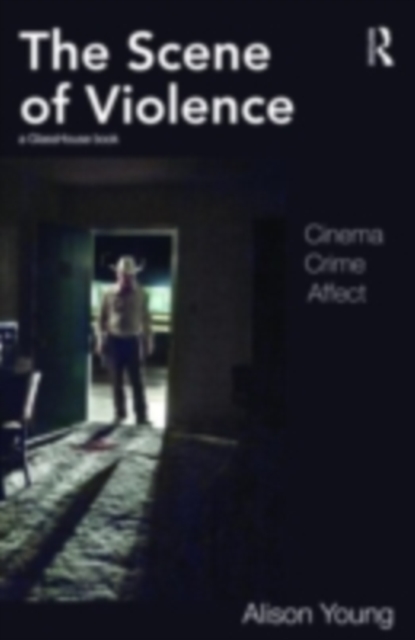
The Scene of Violence
In the contemporary fascination with images of crime, violence gets under our skin and keeps us enthralled. The Scene of Violence explores the spectator’s encounter with the cinematic scene of violence – rape and revenge, homicide and serial killing, torture and terrorism. Providing a detailed reading of both classical and contemporary films – for example, Kill Bill, Blue Velvet, Reservoir Dogs, The Matrix, Psycho, The Accused, Elephant, Seven, Thelma & Louise, United 93, Zodiac, and No Country for Old Men – Alison Young returns the affective processes of the cinematic image to the study of law, crime and violence. Engaging with legal theory, cultural criminology and film studies, the book unfolds both our attachment to the authority of law and our identification with the illicit. Its original contribution is to bring together the cultural fascination of crime with a nuanced account of what it means to watch cinema. The Scene of Violence shows how the spectator is bound by the laws of film to the judgment of the crime-image.
'Alison Young may be the best law and film scholar in the world. Her insight and eminence in the field are amply on display in The Scene of Violence . Here Young draws our attention to what she calls \"the spectatorial relation engendered by film.\" No one who watches a film will ever watch it the same way after reading this book. No one who has ever thought about the relationship of law, violence and film will ever think about them the same way after reading this book. The Scene of Violence will be an instant classic.' – Austin Sarat, William Nelson Cromwell Professor of Jurisprudence and Political Science at Amherst College
1. The Crime-Image 2. Judging the Affect of Screen Violence 3. \"Don’t You Fucking Look At Me\": Sexual Injury, Vision and Cinematic Revenge 4. The Serial Killer’s Accomplice 5. The Cinema of Disaster: Screening 9/11 6. No End to Violence?
eBook

Crime Films
This book surveys the entire range of crime films, including important subgenres such as the gangster film, the private eye film, film noir, as well as the victim film, the erotic thriller, and the crime comedy. Focusing on ten films that span the range of the twentieth century, Thomas Leitch traces the transformation of the three leading figures that are common to all crime films: the criminal, the victim and the avenger. Analyzing how each of the subgenres establishes oppositions among its ritual antagonists, he shows how the distinctions among them become blurred throughout the course of the century. This blurring, Leitch maintains, reflects and fosters a deep social ambivalence towards crime and criminals, while the criminal, victim and avenger characters effectively map the shifting relations between subgenres, such as the erotic thriller and the police film, within the larger genre of crime film that informs them all.
eBook
Bananas!
BANANAS!* is a suspenseful court room drama that examines the intricacies and injustices of the global politics of food. Focusing on a landmark and highly controversial legal case pitting a dozen Nicaraguan banana plantation workers against Dole Food Corporation, BANANAS!* uncovers the alleged usage of a banned pesticide and its probable link to generations of sterilized workers. Central to both the film and case is Juan “Accidentes” Dominguez, a Los Angeles-based personal injury attorney who, although iconic within the Latino community for his ubiquitous billboard ads, is unquestionably facing the biggest case and challenge of his career. At stake in the classic David vs. Goliath story are the futures of generations of workers and their families, as well as the culture of global, multinational business. If successful, the case could rock the economic foundations of Dole, and could open the US courts to other global victims, representing a new day in international justice.
Streaming Video
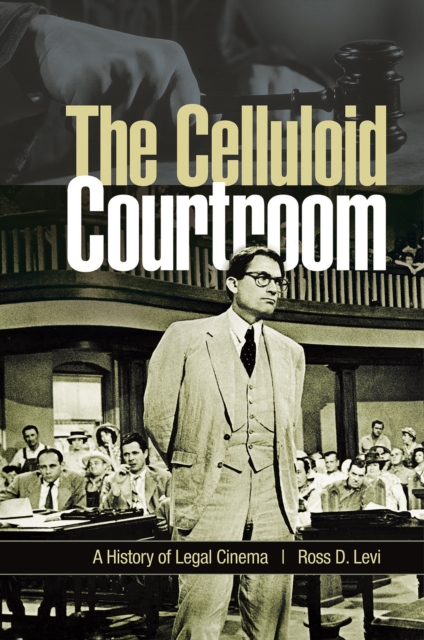
The Celluloid Courtroom
Surveys the history of legal movies—those that take place both inside and outside the courtroom—and examines what they tell us about our legal system and our notions of justice. Reviews The author looks at American courtroom films and categorizes them according to parties to the action: client, judge, jury, lawyer. He argues that these films reveal that, despite Americans' recognition that corruption is possible within the legal system, as a population they also tend to (want to) believe that justice triumphs...[a] useful compendium of a particular film genre over the past 30 years. Extensive film collections. Choice The Celluloid Courtroom will be a useful handbook for aficionados--and hopefully, a springboard for future studies.
eBook
Please murder me
A lawyer suffers a guilt complex after getting a murder acquittal for his client and then finding out she did commit the crime.
Streaming Video

Staking a Truth Claim: Constructing a Document in 'Two Laws'
The documentary 'Two Laws' constitutes a legal document in support of the Borroloola claim to their land and contributes to the decolonisation of the images of Aboriginal Australia, which have circulated within ethnographic cinema, television journalism and fiction film. The 'two laws' of the film's title refer to white law and 'the Law', the system which regulates Borroloola social interactions and relationships with the land.
Magazine Article
Warrior lawyers : defenders of sacred justice
'Warrior Lawyers' (2021) is a one-hour PBS documentary that is particularly timely and relevant given our country's current reckoning with racial inequity, institutional racism and social injustice. The program focuses on the stories of Native American Lawyers, Tribal Judges and their colleagues who work with Native Nations, their citizens and mainstream institutions to achieve Sacred Justice. These unseen role models strive daily to address and resolve unique and complicated historical, governmental, legal, judicial and social welfare issues, which are most often rooted in discrimination, historical trauma and cultural destruction. Come take a journey into past and present day Indian Country to learn of untold stories that shine a light on Native Americans rising up to create a new path for today and for the next Seven Generations.
Streaming Video
Essentials. Documents and law. Episode 5, Declaration of Independence
The Declaration of Independence is one of the most important documents in history. But why was it written, what did it say and what impact did it have?
Streaming Video
Germany. Germany holidays
Most of the holidays in Germany are religious in nature. Some states also have holidays that are unique to their region. Explore the most popular holiday, Christmas, which features celebrations that bring families together and many Christmas fairs throughout the country.
Streaming Video