
Catalogue Search | MBRL


Are you sure you want to remove the book from the shelf?

{{itemTitle}}
2,278
result(s) for
"Louis Sullivan"
Sort by:

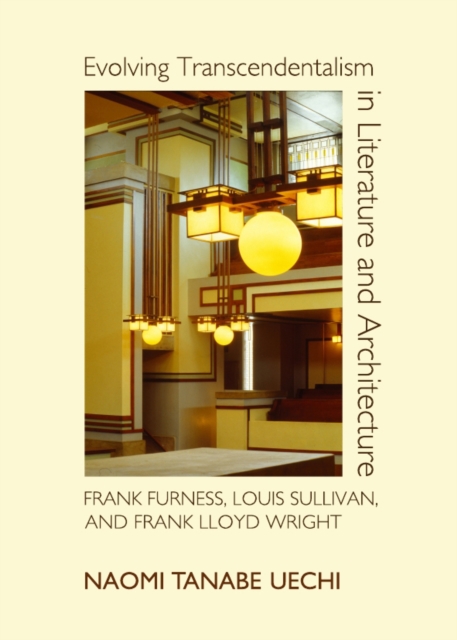
Evolving Transcendentalism in Literature and Architecture
Evolving Transcendentalism in Literature and Architecture: Frank Furness, Louis Sullivan, and Frank Lloyd Wright demonstrates how American architects read literature and transformed abstract philosophy and literary form into physical substance. Furness, Sullivan, and Wright were inspired by such Transcendentalists as Ralph Waldo Emerson, Henry David Thoreau, and Walt Whitman, and attempted to embody the concepts of nature, American identity, and Universalism in their architecture. Notably, th.
eBook

Building Character
In the nineteenth-century paradigm of architectural organicism, the notion that buildings possessed character provided architects with a lens for relating the buildings they designed to the populations they served. Advances in scientific race theory enabled designers to think of \"race\" and \"style\" as manifestations of natural law: just as biological processes seemed to inherently regulate the racial characters that made humans a perfect fit for their geographical contexts, architectural characters became a rational product of design. Parallels between racial and architectural characters provided a rationalist model of design that fashioned some of the most influential national building styles of the past, from the pioneering concepts of French structural rationalism and German tectonic theory to the nationalist associations of the Chicago Style, the Prairie Style, and the International Style. InBuilding Character, Charles Davis traces the racial charge of the architectural writings of five modern theorists-Eugene Emmanuel Viollet-le-Duc, Gottfried Semper, Louis Sullivan, Frank Lloyd Wright, and William Lescaze-to highlight the social, political, and historical significance of the spatial, structural, and ornamental elements of modern architectural styles.
eBook


Consuelo H. Wilkins receives the 2025 ASCI/Louis W. Sullivan, MD, Award
An interview with Consuelo H. Wilkins, the 2025 recipient Louis W. Sullivan Award, is presented. Among other things, Wilkins shares her motivations to focus her research on health disparities and engaging underrepresented groups in clinical research.
Journal Article

Breaking Ground
While Louis W. Sullivan was a student at Morehouse College, Morehouse president Benjamin Mays said something to the student body that stuck with him for the rest of his life. \"The tragedy of life is not failing to reach our goals,\" Mays said. \"It is not having goals to reach.\"
InBreaking Ground, Sullivan recounts his extraordinary life beginning with his childhood in Jim Crow south Georgia and continuing through his trailblazing endeavors training to become a physician in an almost entirely white environment in the Northeast, founding and then leading the Morehouse School of Medicine in Atlanta, and serving as secretary of Health and Human Services in President George H. W. Bush's administration. Throughout this extraordinary life Sullivan has passionately championed both improved health care and increased access to medical professions for the poor and people of color.
At five years old, Louis Sullivan declared to his mother that he wanted to be a doctor. Given the harsh segregation in Blakely, Georgia, and its lack of adequate schools for African Americans at the time, his parents sent Louis and his brother, Walter, to Savannah and later Atlanta, where greater educational opportunities existed for blacks.
After attending Booker T. Washington High School and Morehouse College, Sullivan went to medical school at Boston University-he was the sole African American student in his class. He eventually became the chief of hematology there until Hugh Gloster, the president of Morehouse College, presented him with an opportunity he couldn't refuse: Would Sullivan be the founding dean of Morehouse's new medical school? He agreed and went on to create a state-of-the-art institution dedicated to helping poor and minority students become doctors. During this period he established long-lasting relationships with George H. W. and Barbara Bush that would eventually result in his becoming the secretary of Health and Human Services in 1989.
Sullivan details his experiences in Washington dealing with the burgeoning AIDS crisis, PETA activists, and antismoking efforts, along with his efforts to push through comprehensive health care reform decades before the Affordable Care Act. Along the way his interactions with a cast of politicos, including Thurgood Marshall, Jack Kemp, Clarence Thomas, Jesse Helms, and the Bushes, capture vividly a particular moment in recent history.
Sullivan's life-from Morehouse to the White House and his ongoing work with medical students in South Africa-is the embodiment of the hopes and progress that the civil rights movement fought to achieve. His story should inspire future generations-of all backgrounds-to aspire to great things.
eBook

Interpretations of organic architecture/Interpretacije organske arhitekture
Koncept organske arhitekture objedinjuje brojne interpretacije utemeljene u prirodi. Ovaj rad prikazuje glavne protagoniste razvoja organske arhitekture, kao i neke jedinstvene zamisli koje su iz nje potekle i utjecale na arhitekturu 20. i 21. stoljeca. Tijekom druge polovice 19. stoljeca doslo je do ponovnog procvata goticke arhitekture i klasicnih principa grcke arhitekture. Viollet-le-Duc i J. Ruskin, inspirirani prirodnim oblicima i procesima, postali su predvodnici novih koncepata u arhitekturi. Njihove ideje odjeknule su zapadnim svijetom, izvrsile utjecaj na brojne arhitekte i pridonijele formiranju triju interpretacija organske arhitekture. Prva interpretacija organske arhitekture, nastala na temelju tvrdnje L. Sullivana 'forma slijedi funkciju', pretpostavlja integraciju prirode u projekt gradevine, a to je poslije F.L. Wright unaprijedio svojim zahtjevima za jedinstvom, harmonijom i jednostavnoscu, postivanjem prirode i gradevinskih materijala, kao i jedinstvenoscu svakoga individualnog elementa. Zbog svojega koncepta integracije organske materije i geometrije, prirodnog kamena i betona, unutrasnjeg i vanjskog prostora, prirode i prostora, Wright se opcenito smatra utemeljiteljem organske arhitekture koji je znacajno utjecao na brojne generacije mladih arhitekata. Proucavajuci principe statike u prirodi kako bi ih poslije primijenio u svojim graditeljskim projektima, A. Gaudi je utemeljio svoj jedinstveni stil organske arhitekture. Njegov utjecaj vidljiv je u radovima P.L. Nervija, O. Freia, Hundertwassera, O. Niemeyera, F. Candela, S. Calatrave itd. Druga interpretacija organske arhitekture definira ju kao arhitektonski stil, bez iznimke utemeljen na neravnim, odnosno zakrivljenim prirodnim oblicima. U prirodi su uzorci i oblici koji se doimaju skladno zapravo utemeljeni na matematickim pravilima koja reguliraju pravilnost, jedinstvo i simetriju. Razlog privlacnosti prirode je njezina matematicka pravilnost koja ujedno sluzi kao osnova za procjenu njezine ljepote. Klasicno djelo D'Arcy W. Thompsona omogucava razumijevanje geometrije prirode koja se zrcali u matematickim uzorcima njezinih struktura. U svojoj knjizi On Growth and Form (O rastu i obliku) dokazao je da evolucija nije jedini cimbenik koji je odgovoran za razvoj bioloskih vrsta biljaka i zivotinja, ukazujuci istovremeno na vaznost djelovanja zakonitosti matematike, fizike i mehanike u ovim procesima. Polazeci od zakonitosti u prirodi, daljnja matematicka istrazivanja tijekom 20. stoljeca omogucila su definiranje novih formi i tako je nastala fraktalna geometrija (P. Eisenmann) i teorija katastrofe Charlesa Jencksa. Mocni algoritmi danas omogucavaju brzo i jednostavno stvaranje i prikaz matematicki utemeljenih formi. Ovaj novi matematicki okvir zamislivih oblika kao izvora arhitektonske inspiracije danas se krece u rasponu od jednostavnih trokuta i krivulja sve do slozenijih zakrivljenih formi, kao sto su helikoidi (F.L. Wright, E. Saarinen), pravilne povrsine (Le Corbusier, F. Candela, T. Ito), hiperbolicni hiperboloidi (A. Gaudi) itd. Priroda, medutim, nije odredena samo strogim matematickim zakonitostima Euklidove geometrije. U prirodi postoje i drugi oblici, kao sto su obrisi planinskih lanaca, ledenjackih padina ili krivulje organskih oblika zivota. H. Haring je ustvrdio da svaka lokacija i svaki strukturalni element ima vlastiti oblik koji ceka da ga neki arhitekt otkrije i dalje razradi. Slobodne prostorne linije koje izrastaju iz prirode, izmedu ostaloga, izvrsile su utjecaj na arhitekturu Hundertwassera. Treca interpretacija organske arhitekture temelji se na biomimikriji--potrazi za modelima zivih organizama kako bi se njihovi uzorci replicirali u formi, funkciji ili tehnologiji projektiranja gradevine. Od svojih pocetaka, a osobito tijekom 20. stoljeca u radovima E. Haeckela Kunstformen derNatur, kao i u vec spomenutom djelu On Growth and Form, arhitektura se uvijek okretala prirodi kao svome izvoru inspiracije. Oba su autora proucavala oblike zivih bica i rado ih povezivala sa zakonitostima fizike, koji su opet omogucavali bolje razumijevanje njihovih formi. U radiolarijima (jednostanicnim organizmima) opisanima u navedenim knjigama B. Fuller je pronasao savrsene forme za strategije projektiranja, koje je preveo u nekoliko graditeljskih projekata i u geodezijskoj kupoli--najlaganijoj, najjacoj i najefektnijoj konstrukciji ikad projektiranoj. Oblike Fullerovih formi prostorne geometrije oponasali su O. Frei, N. Foster, Grimshaw Architects itd. Danas su organske forme, koje su prije nekoliko desetljeca samo geniji mogli razraditi od ideje do primjene, dostupne putem racunalnih i parametrijskih alata. Digitalizacija arhitekture ne pruza samo mogucnost koristenja sinergije s prirodom, matematikom, geometrijom, intuicijom itd. u projektiranju vec i u implementaciji. Moguce je stoga serijski proizvesti matematicki koherentne, no razlicite objekte zajedno s razradenim, preciznim i relativno jeftinim jednokratnim komponentama. Razvojni procesi i sustavi utemeljeni na digitalnom inzenjerstvu, kao i na kompleksnoj geometriji i bioloskim principima, povezani su u suvremenom arhitektonskom projektiranju. Koristenjem modernih racunalnih tehnologija i projektiranja slika procelja se mijenja i nagovijesta sasvim nove oblike. Kako bi stvorila virtualne i fizicke oblike, digitalna arhitektura danas koristi racunalno modeliranje, programiranje, simulaciju i sliku. Tako se radaju nove geometrije kakve dosad nije bilo moguce kreirati konvencionalnim crtackim pristupom. CAD racunalni program moze se nadograditi DMU digitalnim alatom (F. Gehry). Parametrijski alati NURBS olaksavaju graficki prikaz slozenih matematickih formula ili kreiranje 3D modela (P. Cook i C. Fournier). Tijekom projektiranja CNC tehnologija daje arhitektima mogucnost kontrole procesa pomocu vrlo preciznih tehnickih operacija i primjena materijala, sto je dovelo do ponovnog procvata primjene ornamenata i uzoraka na proceljima. Medutim, granice izmedu triju opisanih interpretacija organske arhitekture nisu uvijek sasvim jasne. Zapravo, one su rijetko uzajamno iskljucive i u praksi se cesto preklapaju ili nadopunjavaju.
Journal Article

The Wainwright Building
Louis Sullivan's Wainwright Building has long occupied a central place in the history of modern architecture. In The Wainwright Building: Monument of St. Louis's Lager Landscape, Paula Lupkin reexamines the canonical “first skyscraper” as a different type of monument: the symbolic center of St. Louis's “lager landscape.” Viewed through the lenses of patronage and local history, this ten-story structure emerges as the white-collar hub of one of the city's most important cultural and economic forces: brewing. Home to the city's brewery architects and contractors, a brewing consortium, and related real estate and insurance companies, the building, as Ellis Wainwright conceived it, served as the downtown headquarters of the brewing industry. Echoing the brewery stock house as well as cold storage structures and ornamented with motifs of lager's most expensive ingredient, hops, the building's design incorporated both the natural and technological elements of brewing. Analyzing the Wainwright Building as part of a lager landscape adds new dimension and significance to Sullivan's masterpiece.
Journal Article

La nave del tiempo. El edificio de oficinas y la indeterminación funcional/Ship of the Time. The Office Building and Functional Indetermination
El desarrollo de la indeterminación funcional en la arquitectura del siglo XX tiene una referencia constante, aunque no siempre asumida, en el edificio de oficinas, el tipo menos definido funcionalmente. Mientras Louis Sullivan redactaba la célebre frase form follows function–estandarte del funcionalismo determinista–, se dedicaba a desarrollar, al mismo tiempo, las plantas más libres que se hubieran construido hasta el momento. En el edificio de oficinas la forma no puede seguir a la función, porque la misma resulta prescindible; al mismo tiempo, la función solo puede ser fruto de la forma, en cuanto se considere a esta última como contenedora vacía y carente de cualquier especificidad funcional. La aparición del edificio de oficinas provocó un sismo en el pensamiento arquitectónico de fines de siglo XIX y principios del XX; las lecturas sobre el mismo permitieron nuevas herramientas para operar en otros programas, primero de la mano de Mies van der Rohe, quien incorporó el espacio etéreo y carente de cualquier definición en la mayor parte de los programas en los que trabajó, después de su experimental proyecto para el rascacielos al inicio de su carrera. Décadas más tarde, Rem Koolhaas, con el despacho Office for Metropolitan Architecture, volvió a poner la mirada en la libertad de las plantas de oficinas de Chicago, reinterpretándolas en varios de sus proyectos de fines de los ochenta. El paradigma del edificio de oficinas radica en que, habiéndose colocado como modelo de inspiración de la indeterminación funcional en la arquitectura del siglo veinte, sigue manteniendo su programa vigente en la actualidad.
Journal Article