
Catalogue Search | MBRL


Are you sure you want to remove the book from the shelf?

{{itemTitle}}
942
result(s) for
"Low Back Pain - prevention "
Sort by:

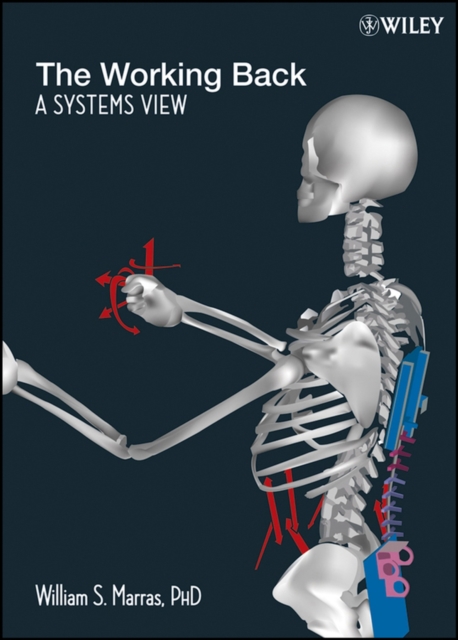
The working back
A systems approach to understanding and minimizing the causes of low back pain in the workplace Low back pain affects 80% of the population at some point during their lifetime; it is responsiblefor over 40% of the compensation costs for work-related injuries.
eBook

Effectiveness and cost-effectiveness of an individualised, progressive walking and education intervention for the prevention of low back pain recurrence in Australia (WalkBack): a randomised controlled trial
Recurrence of low back pain is common and a substantial contributor to the disease and economic burden of low back pain. Exercise is recommended to prevent recurrence, but the effectiveness and cost-effectiveness of an accessible and low-cost intervention, such as walking, is yet to be established. We aimed to investigate the clinical effectiveness and cost-effectiveness of an individualised, progressive walking and education intervention to prevent the recurrence of low back pain.
WalkBack was a two-armed, randomised controlled trial, which recruited adults (aged 18 years or older) from across Australia who had recently recovered from an episode of non-specific low back pain that was not attributed to a specific diagnosis, and which lasted for at least 24 h. Participants were randomly assigned to an individualised, progressive walking and education intervention facilitated by six sessions with a physiotherapist across 6 months or to a no treatment control group (1:1). The randomisation schedule comprised randomly permuted blocks of 4, 6, and 8 and was stratified by history of more than two previous episodes of low back pain and referral method. Physiotherapists and participants were not masked to allocation. Participants were followed for a minimum of 12 months and a maximum of 36 months, depending on the date of enrolment. The primary outcome was days to the first recurrence of an activity-limiting episode of low back pain, collected in the intention-to-treat population via monthly self-report. Cost-effectiveness was evaluated from the societal perspective and expressed as incremental cost per quality-adjusted life-year (QALY) gained. The trial was prospectively registered (ACTRN12619001134112).
Between Sept 23, 2019, and June 10, 2022, 3206 potential participants were screened for eligibility, 2505 (78%) were excluded, and 701 were randomly assigned (351 to the intervention group and 350 to the no treatment control group). Most participants were female (565 [81%] of 701) and the mean age of participants was 54 years (SD 12). The intervention was effective in preventing an episode of activity-limiting low back pain (hazard ratio 0·72 [95% CI 0·60–0·85], p=0·0002). The median days to a recurrence was 208 days (95% CI 149–295) in the intervention group and 112 days (89–140) in the control group. The incremental cost per QALY gained was AU$7802, giving a 94% probability that the intervention was cost-effective at a willingness-to-pay threshold of $28 000. Although the total number of participants experiencing at least one adverse event over 12 months was similar between the intervention and control groups (183 [52%] of 351 and 190 [54%] of 350, respectively, p=0·60), there was a greater number of adverse events related to the lower extremities in the intervention group than in the control group (100 in the intervention group and 54 in the control group).
An individualised, progressive walking and education intervention significantly reduced low back pain recurrence. This accessible, scalable, and safe intervention could affect how low back pain is managed.
National Health and Medical Research Council, Australia.
Journal Article

Reducing sedentary behaviour to decrease chronic low back pain: the stand back randomised trial
ObjectiveThe Stand Back study evaluated the feasibility and effects of a multicomponent intervention targeting reduced prolonged sitting and pain self-management in desk workers with chronic low back pain (LBP).MethodsThis randomised controlled trial recruited 27 individuals with chronic LBP, Oswestry Disability Index (ODI) >10% and desk jobs (sitting ≥20 hours/week). Participants were randomised within strata of ODI (>10%–<20%, ≥20%) to receive bimonthly behavioural counselling (in-person and telephone), a sit-stand desk attachment, a wrist-worn activity-prompting device and cognitive behavioural therapy for LBP self-management or control. Self-reported work sitting time, visual analogue scales (VAS) for LBP and the ODI were assessed by monthly, online questionnaires and compared across intervention groups using linear mixed models.ResultsBaseline mean (SD) age was 52 (11) years, 78% were women, and ODI was 24.1 (10.5)%. Across the 6-month follow-up in models adjusted for baseline value, work sitting time was 1.5 hour/day (P<0.001) lower comparing intervention to controls. Also across follow-up, ODI was on average 8 points lower in intervention versus control (P=0.001). At 6 months, the relative decrease in ODI from baseline was 50% in intervention and 14% in control (P=0.042). LBP from VAS was not significantly reduced in intervention versus control, though small-to-moderate effect sizes favouring the intervention were observed (Cohen’s d ranged from 0.22 to 0.42).ConclusionAn intervention coupling behavioural counselling targeting reduced sedentary behaviour and pain self-management is a translatable treatment strategy that shows promise for treating chronic LBP in desk-bound employees.Trial registration number NCT0224687; Pre-results.
Journal Article

Experiences and perceptions of employees and healthcare professionals on a multidisciplinary program for the secondary prevention of low back pain
Low back pain (LBP) can lead to disability and sick leave, impacting work participation and overall health. Given the complex and multifactorial nature of LBP, Belgium’s Federal Agency for Occupational Risks (FEDRIS) promotes a secondary prevention strategy for LBP among workers engaged in ergonomically demanding tasks. This strategy includes multidisciplinary-based rehabilitation (MBR) and an optional workplace intervention. This paper explored the experiences and perceptions of employees and healthcare professionals (HCPs) regarding the secondary prevention program with a focus on the MBR component, aiming to identify its strengths, challenges, and potential solutions. A multicenter qualitative design involving six semistructured focus groups was employed. The participants included 15 employees who attended the program because of LBP and 24 HCPs involved in its delivery. The data were analyzed via thematic analysis. Three major themes were identified:
functional and work-related outcomes
,
content-related factors
, and
duration and continuation
. Positive outcomes included improvements in pain, function, and return to work (RTW), with workplace adaptations and ergonomic guidance playing key roles. Success factors such as education, exercise therapy, motivation, and social interaction were highlighted. However, challenges were identified, including limited communication between centers and employers, insufficient psychological support, and a lack of follow-up to sustain the program’s effects. This qualitative evaluation highlights that person-centered, biopsychosocial approaches—encompassing individualized education, ergonomic adaptations, and psychological support—are crucial for optimizing the FEDRIS MBR program’s long-term impact on LBP and RTW outcomes. Consistency in staffing, structured follow-up, and systematic prescreening are key areas for improvement. Although limited by a small sample size and retrospective design, these findings pinpoint actionable refinements that future longitudinal studies can explore to ensure sustained, cost-effective rehabilitation benefits.
Journal Article

The effectiveness of a dynamic seat cushion in preventing neck and low-back pain among high-risk office workers
OBJECTIVE: This study evaluated the effectiveness of the promotion of postural shift intervention using a dynamic seat cushion on the 6-month incidence of neck and low-back pain among high-risk office workers. METHODS: In a cluster-randomized controlled trial (RCT), 133 office workers were randomly assigned, at cluster level, to intervention (N=67) and control (N=66) groups. The intervention group received a dynamic seat cushion to encourage postural shifts during sitting, while the control group received a placebo seat pad. Primary outcomes were 6-month incidence of neck and low-back pain. Secondary outcomes included sitting discomfort, pain intensity, disability, and trunk muscle performance. Analyses utilized Cox proportional hazard models. RESULTS: During the 6-month period, 15% of participants in the intervention group developed neck pain and 10% developed low-back pain. For the control group, this was 65% and 59%, respectively. Hazard rate (HR) ratios, after adjusting for biopsychosocial factors, indicated a protective effect of the intervention for neck pain [HR adj 0.19, 95% confidence interval (CI) 0.09–0.39, P<0.001] and low-back pain (HR adj 0.16, 95% CI 0.07–0.35, P<0.001). The intervention group demonstrated a significant reduction in sitting discomfort and improvement in trunk muscle performance compared to the control group (P<0.05). However, the intervention did not reduce pain and disability in individuals experiencing pain compared to the control group. CONCLUSIONS: The dynamic seat cushion effectively reduced the incidence of neck and low-back pain by promoting postural shifts. These findings suggest that the key factor in reducing the risk of developing neck and low-back pain is the facilitation of postural shifts during sitting, which can potentially be achieved with other dynamic interventions designed to reduce prolonged and static sitting among office workers.
Journal Article

Videoconference-Supervised Group Exercise Reduces Low Back Pain in Eldercare Workers: Results from the ReViEEW Randomised Controlled Trial
Purpose
To assess the effects of a group exercise intervention conducted by real-time videoconference on the low back pain of eldercare workers.
Methods
We randomly assigned 130 eldercare workers to an experimental group (EG:
n
= 65) or control group (CG:
n
= 65). Participants from both groups took part in routine prevention programs carried out in their workplace, and participants from the EG received an additional 12-week resistance-exercise intervention supervised by real-time videoconference. Assessments were conducted before and after the intervention, and the primary outcome was average low back pain intensity during the last 7 days, measured by the 0–10 numerical rating scale. Secondary outcomes included additional measures of low back, neck, shoulder and hand/wrist pain, as well as psycho-affective parameters, medication consumption and muscle performance. Both intention-to-treat and per-protocol analyses were applied with a group-by-time ANCOVA including baseline measurements as covariates.
Results
125 participants completed post-intervention assessments (EG:
n
= 63, CG:
n
= 62). The intention-to-treat analysis showed an effect favouring the EG on average low back pain intensity (
p
= 0.034). Improvements in additional low back and hand/wrist pain outcomes were also observed, as well as on upper limb muscle performance (
p
< 0.05). The per-protocol analysis demonstrated additional benefits in depression, quality of life, hypnotic/anxiolytic medication consumption and lower limb and trunk muscle performance in participants with ≥ 50% adherence (
p
< 0.05).
Conclusions
The intervention was effective for reducing the low back and hand/wrist pain of eldercare workers and increasing upper limb muscle performance. The per-protocol analysis showed additional benefits in psycho-affective parameters, medication consumption and muscle performance.
Trial registration:
ClinicalTrials.gov, NCT05050526. Registered 20 September 2021—Prospectively registered,
https://www.clinicaltrials.gov/study/NCT05050526
Journal Article

Preventing the transition from acute to chronic low back pain using home-based neuromodulation: protocol for a randomised, controlled study
IntroductionChronic low back pain (LBP) is among the world’s leading causes of disability and declines in quality of life. Despite considerable financial and research investment, current interventions demonstrate only modest success or are associated with deleterious side effects. Furthermore, most treatment efforts are directed towards LBP that has already become chronic, rather than interventions capable of preventing pain chronicity in the first instance. Transcranial direct current stimulation (tDCS), a portable and cost-effective form of non-invasive brain stimulation, presents a potential means of targeting acute pain and preventing the transition to chronic pain. However, this approach has been limited primarily to experimental settings that require intensive appointments and specialist expertise. Thus, this assessor-blinded, participant-blinded, and therapist-blinded, randomised controlled trial aims to explore the effectiveness of home-based tDCS for improving pain and disability in people with acute LBP. This may provide insight into the potential for tDCS to expedite recovery from acute LBP and prevent pain chronicity.Methods and analysis40 individuals with acute LBP (onset <8 weeks prior to enrolment) will be recruited and randomly allocated to a 2-week treatment protocol of either active or sham home-based tDCS. Participants will attend five laboratory sessions (pre-intervention baseline; at intervention completion; 4 weeks, 8 weeks and 12 weeks post-completion of intervention) where measures of pain processing and disability will be collected. Mechanistic factors (potential mediators) of treatment effectiveness, including corticomotor organisation (transcranial magnetic stimulation mapping), somatosensory function, electroencephalography and affective-emotional characteristics, will also be assessed. Daily online questionnaires will be completed by participants during the intervention period to assess pain intensity and to monitor safety, treatment adherence and tolerability. The efficacy of tDCS in improving pain and disability in people with acute LBP will be investigated by analysing within-group and between-group changes in these outcomes over time.Ethics and disseminationEthics approval has been granted by the Western Sydney University Human Research Ethics Committee (H16334). Findings will be disseminated through scientific conferences and peer-reviewed journal publication.
Journal Article

Postoperative early initiation of sequential exercise program in preventing persistent spinal pain syndrome type-2 after modified transforaminal lumbar interbody fusion: a prospective randomized controlled trial
Purpose
This prospective randomized controlled trial aimed to investigate the impact of early postoperative sequential motor control (starting first day post-operatively) and core stabilization training (starting fifth week post-operatively) compared to conventional exercise (starting fifth weeks post-operatively) on the risk of developing persistent spinal pain syndrome type-2 (PSPS-T2).
Methods
395 patients with lumbar degenerative diseases (LDDs) undergoing modified transforaminal lumbar interbody fusion and a 12-week postoperative exercise program (sequential vs. conventional exercise: 214 vs. 181) were evaluated for low back pain (LBP) intensity, Oswestry Disability Index (ODI), pressure pain threshold (PPT), temporal summation (TS), fatty infiltration of paraspinal muscles, transversus abdominis (TrA) activation capacity and Fear-Avoidance Beliefs Questionnaire (FABQ) pre-operatively, 3 months post-operatively, and 1 year post-operatively.
Results
At 3-month postoperative assessment, LBP in sequential exercise group were lower than those in conventional exercise group (
P
< 0.05), and sequential-exercise patients had greater local-area PPTs, lower TS, lower TrA activation capacities and less fatty infiltration of erector spinae than did the conventional-exercise patients (
P
< 0.05). At 1-year postoperative assessment, fewer sequential-exercise patients had PSPS-T2 compared with conventional-exercise patients (11/214 vs. 20/181;
P
< 0.05). LBP at rest and FABQ were lower in sequential-exercise patients than conventional-exercise patients (
P
< 0.05). Furthermore, both PPT and TS at 1-year postoperative assessment were associated with these measurements at 3-month postoperative assessment in patients with PSPS-T2 (
P
< 0.05).
Conclusions
Postoperative sequential exercise has more positive effects to avoid PSPS-T2 than conventional exercise in patients with LDDs possibly because of its advantages in improving central and peripheral sensitization.
Journal Article

How do different standing positions affect trunk muscle activation in LBP-developers during prolonged standing?
Background
Low back pain developers (PDs) are individuals at a high risk of developing low back pain (LBP), especially during prolonged standing. Understanding their characteristics is essential for devising effective preventive strategies. Prolonged standing has been associated with increased co-contraction of trunk muscles and elevated activity of the trunk extensor muscles. This study aims to examine the effects of using a normalized footrest height and altering arm positions on muscle activity in PDs.
Methods
Twenty-four female PDs, identified by a > 10 mm increase on the visual analog scale (VAS) during prolonged standing, were recruited. They were randomly divided into two groups: Group A used a footrest intermittently, while Group B used a footrest combined with changes in arm positions (shoulder flexion and hands crossed on the clavicles). Muscle activity was monitored using electromyography (EMG) over a one-hour standing protocol.
Results
Both interventions significantly reduced lumbar erector spinae (LES) muscle activity, as well as co-contraction of the trunk flexor and extensor muscles (
p
< 0.05). The group that adjusted their arm positions (Group B) experienced a greater reduction in muscle activity (
p
= 0.05). Additionally, transversus abdominis (TrA) muscle activity slightly increased in both groups, with a more notable increase in Group B (
p
> 0.05). Although lumbar spine muscle activity decreased, thoracic spine extensor (TES) activity increased in Group B. This increase is attributed to the engagement of the thoracic spine during upper limb movement, compensating for the reduced lumbar muscle activity, which may help alleviate back pain.
Conclusions
Using footrests cyclically and adjusting arm positions can help prevent back pain during prolonged standing by promoting muscle relaxation, reducing fatigue, and improving posture. These findings offer practical strategies for enhancing workplace ergonomics, particularly for occupations involving prolonged standing.
Trial registration
This study is registered in the Clinical Trial Registry (
http://www.irct.ir/
) with Trial ID 71,648 and IRCT ID IRCT20230628058610N1, dated January 20, 2024.
Journal Article