
Catalogue Search | MBRL


Are you sure you want to remove the book from the shelf?

{{itemTitle}}
188,527
result(s) for
"MEDICAL PROFESSIONALS"
Sort by:

Italian Medical Professionals' Practices, Attitudes, and Knowledge in Travel Medicine: Protocol for a National Survey
The evolving global health landscape highlights the importance of travel medicine, making it necessary for health care professionals to understand the epidemiologic profiles among varied traveler populations and keep themselves updated in this rapidly changing field. However, in Italy, travel medicine clinics have significant gaps in resource allocation, staff training, and infrastructure.
This protocol of a cross-sectional study aims to create and validate a questionnaire to assess the knowledge, attitudes, and practices of health care professionals in travel medicine in Italy. The final goal is to provide a tool to evaluate the state of travel medicine, guide training initiatives, and be able to monitor trends over time.
The study population consists of health care professionals who practice travel medicine in Italy. The questionnaire will be developed by adapting an existing English survey and conducting a scoping review to align the questionnaire with contemporary scientific discourse. The validation process includes face validity, content validity, and expert evaluation. The sample size, determined through power analysis, ranges from 218 to 278 participants. The questionnaire will undergo a pilot test on a smaller sample size (10% of the total) to identify and address any issues. Statistical analysis will include central tendency and dispersion measures, categorical summaries, group comparisons, and regressions. This research received ethical approval, and informed consent will be obtained from all participants.
As of July 2024, we completed the questionnaire validation involving 9 experts. The validated version of the questionnaire includes 86 items. Furthermore, we conducted a pilot test on 53 individuals during the SIMVIM (Italian Society of Travel Medicine and Migrations) course on travel medicine held in Lucca, Italy, on June 14, 2024.
This cross-sectional study will guide strategic planning and targeting training and awareness activities in areas deemed most critical or lacking. The study's structured approach and periodic assessments will facilitate the identification of educational gaps, the dissemination of best practices, and the overall improvement of health care services for travelers in Italy.
DERR1-10.2196/59511.
Journal Article
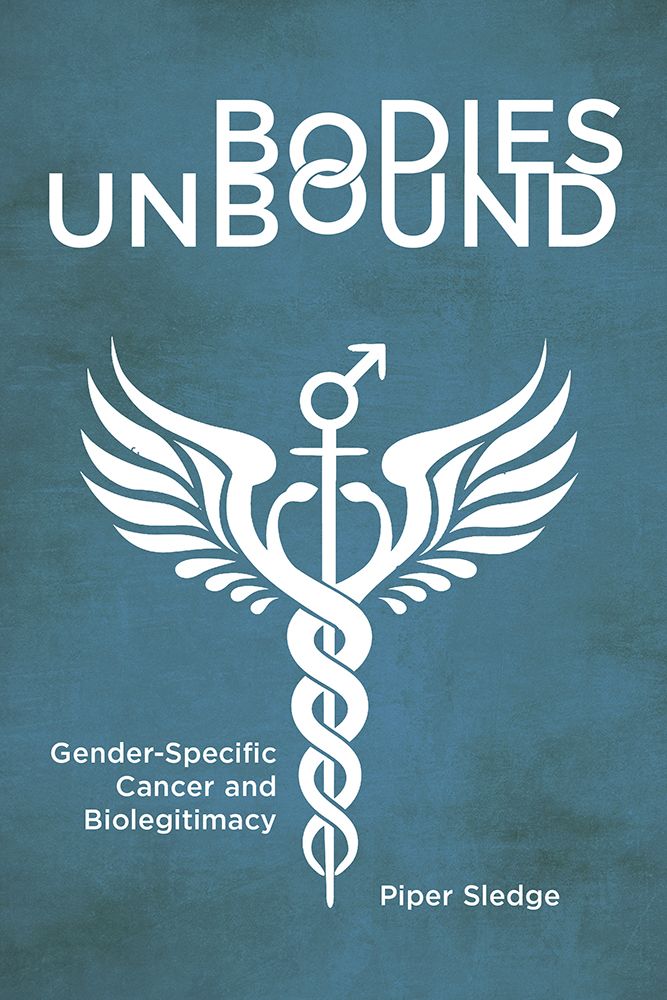
Bodies Unbound
Bodies Unbound is a comparative study showing how ideologies of gendered bodies shape medical care and the ways in which patients respond to these ideologies through decisions about their bodies using three cases: transgender men seeking preventative gynecological care, cisgender men diagnosed with breast cancer, and cisgender women with breast cancer who elect to undergo prophylactic mastectomies. Bodies Unbound is a story about how the relationship between bodies and gender becomes socially intelligible as well as how medical professionals use their position of relative authority over bodies to dictate which combinations of bodies and genders are legitimate or not. Drawing on the experiences of individuals whose bodies and gender identities don't match medical and social expectations for gynecological and breast cancer care, Sledge unravels the taken-for-granted alignment of bodies and gender that provide the foundation of medical care in the United States.
eBook

Critical Reflection in Context
Critical reflection enables practitioners - especially those within health and social care -to theorise from their own practice, improving and developing their work and practising both creatively and professionally.
This book provides an accessible overview of the influential Fook/Gardner Critical Reflection framework for students, researchers and professionals. It then presents a wide range of illustrative case studies from a variety of different health and social care settings, demonstrating how it can be used in effective and innovative practice around the world. By highlighting how professionals are actually using the Fook/Gardner model of critical reflection, it shares practical and resourceful ideas and provides specific theoretical and practical guidelines for use. It also further conceptualises and develops the theory of critical reflection by articulating underlying theory used in practice. The book also draws out particular issues for how critical reflection might be better practised within organisations, and develops a framework for a better understanding of this. The book is divided into four parts, discussing critical reflection in:
Professional Practice
Supervision and Management
Research
Education
Including an up-to-date overview of the framework written by Jan Fook, this helpful text makes a significant contribution in terms of the practical theorizing of critical reflection. It will be of use to health and social care professionals keen to practice creatively and effectively, especially those undertaking short courses or further development in supervision, critical reflection, advanced practice, and leadership and management.
eBook

Mental Health Among Medical Professionals During the COVID-19 Pandemic in Eight European Countries: Cross-sectional Survey Study
The death toll of COVID-19 topped 170,000 in Europe by the end of May 2020. COVID-19 has caused an immense psychological burden on the population, especially among doctors and nurses who are faced with high infection risks and increased workload.
The aim of this study was to compare the mental health of medical professionals with nonmedical professionals in different European countries during the COVID-19 pandemic. We hypothesized that medical professionals, particularly those exposed to COVID-19 at work, would have higher levels of depression, anxiety, and stress. We also aimed to determine their main stressors and most frequently used coping strategies during the crisis.
A cross-sectional online survey was conducted during peak COVID-19 months in 8 European countries. The questionnaire included demographic data and inquired whether the participants were exposed to COVID-19 at work or not. Mental health was assessed via the Depression Anxiety Stress Scales32 (23.53)-21 (DASS-21). A 12-item checklist on preferred coping strategies and another 23-item questionnaire on major stressors were completed by medical professionals.
The sample (N=609) consisted of 189 doctors, 165 nurses, and 255 nonmedical professionals. Participants from France and the United Kingdom reported experiencing severe/extremely severe depression, anxiety, and stress more often compared to those from the other countries. Nonmedical professionals had significantly higher scores for depression and anxiety. Among medical professionals, no significant link was reported between direct contact with patients with COVID-19 at work and anxiety, depression, or stress. \"Uncertainty about when the epidemic will be under control\" caused the most amount of stress for health care professionals while \"taking protective measures\" was the most frequently used coping strategy among all participants.
COVID-19 poses a major challenge to the mental health of working professionals as a considerable proportion of our participants showed high values for depression, anxiety, and stress. Even though medical professionals exhibited less mental stress than nonmedical professionals, sufficient help should be offered to all occupational groups with an emphasis on effective coping strategies.
Journal Article

The Whole-of-Person Retention Improvement Framework: A Guide for Addressing Health Workforce Challenges in the Rural Context
People living in rural places face unique challenges due to their geographic isolation and often experience poorer health outcomes compared to people living in major cities. The struggle to attract and retain an adequately-sized and skilled health workforce is a major contributing factor to these health inequities. Health professionals’ decisions to stay or leave a rural position are multifaceted involving personal, organisational, social and spatial aspects. While current rural health workforce frameworks/models recognise the multidimensional and interrelated influences on retention, they are often highly complex and do not easily support the development of strategic actions. An accessible evidence-informed framework that addresses the complexity but presents the evidence in a manner that is straightforward and supports the development of targeted evidence- and place-informed retention strategies is required. The ‘Whole-of-Person Retention Improvement Framework’ (WoP-RIF) has three domains: Workplace/Organisational, Role/Career and Community/Place. The necessary pre-conditions for improving retention through strengthening job and personal satisfaction levels are set out under each domain. The WoP-RIF offers a person-centred, holistic structure that encourages whole-of-community responses that address individual and workforce level needs. It is a significant response to, and resource for, addressing avoidable rural health workforce turnover that rural health services and communities can harness in-place.
Journal Article
Social Determinants of Rural Health Workforce Retention: A Scoping Review
Residents of rural and remote Australia have poorer health outcomes than their metropolitan counterparts. A major contributor to these health disparities is chronic and severe health workforce shortages outside of metropolitan areas—a global phenomenon. Despite emerging recognition of the important influence of place-based social processes on retention, much of the political attention and research is directed elsewhere. A structured scoping review was undertaken to describe the range of research addressing the influence of place-based social processes on turnover or retention of rural health professionals, to identify current gaps in the literature, and to formulate a guide for future rural health workforce retention research. A systematic search of the literature was performed. In total, 21 articles were included, and a thematic analysis was undertaken. The themes identified were (1) rural familiarity and/or interest, (2) social connection and place integration, (3) community participation and satisfaction, and (4) fulfillment of life aspirations. Findings suggest place-based social processes affect and influence the retention of rural health workforces. However, these processes are not well understood. Thus, research is urgently needed to build robust understandings of the social determinants of rural workforce retention. It is contended that future research needs to identify which place-based social processes are amenable to change.
Journal Article
Resource-Based Internet Intervention (Med-Stress) to Improve Well-Being Among Medical Professionals: Randomized Controlled Trial
Medical professionals are exposed to multiple and often excessive demands in their work environment. Low-intensity internet interventions allow them to benefit from psychological support even when institutional help is not available. Focusing on enhancing psychological resources-self-efficacy and perceived social support-makes an intervention relevant for various occupations within the medical profession. Previously, these resources were found to operate both individually or sequentially with self-efficacy either preceding social support (cultivation process) or following it (enabling process).
The objective of this randomized controlled trial is to compare the efficacy of 4 variants of Med-Stress, a self-guided internet intervention that aims to improve the multifaceted well-being of medical professionals.
This study was conducted before the COVID-19 pandemic. Participants (N=1240) were recruited mainly via media campaigns and social media targeted ads. They were assigned to 1 of the following 4 groups: experimental condition reflecting the cultivation process, experimental condition reflecting the enabling process, active comparator enhancing only self-efficacy, and active comparator enhancing only perceived social support. Outcomes included 5 facets of well-being: job stress, job burnout, work engagement, depression, and job-related traumatic stress. Measurements were taken on the web at baseline (time 1), immediately after intervention (time 2), and at a 6-month follow-up (time 3). To analyze the data, linear mixed effects models were used on the intention-to-treat sample. The trial was partially blinded as the information about the duration of the trial, which was different for experimental and control conditions, was public.
At time 2, job stress was lower in the condition reflecting the cultivation process than in the one enhancing social support only (d=-0.21), and at time 3, participants in that experimental condition reported the lowest job stress when compared with all 3 remaining study groups (ds between -0.24 and -0.41). For job-related traumatic stress, we found a significant difference between study groups only at time 3: stress was lower in the experimental condition in which self-efficacy was enhanced first than in the active comparator enhancing solely social support (d=-0.24). The same result was found for work engagement (d=-0.20), which means that it was lower in exactly the same condition that was found beneficial for stress relief. There were no differences between study conditions for burnout and depression neither at time 2 nor at time 3. There was a high dropout in the study (1023/1240, 82.50% at posttest), reflecting the pragmatic nature of this trial.
The Med-Stress internet intervention improves some components of well-being-most notably job stress-when activities are completed in a specific sequence. The decrease in work engagement could support the notion of dark side of this phenomenon, but further research is needed.
ClinicalTrials.gov NCT03475290; https://clinicaltrials.gov/ct2/show/NCT03475290.
RR2-10.1186/s13063-019-3401-9.
Journal Article
The Perception of Health Professionals in Bangladesh toward the Digitalization of the Health Sector
Bangladesh is undertaking a major transformation towards digitalization in every sector, and healthcare is no exception. Digitalization of the health sector is expected to improve healthcare services while reducing human effort and ensuring the satisfaction of patients and health professionals. However, for practical and successful digitalization, it is necessary to understand the perceptions of health professionals. Therefore, we conducted a cross-sectional survey in Bangladesh to investigate health professionals’ perceptions in relation to various socio–demographic variables such as age, gender, location, profession and institution. We also evaluated their competencies, as digital health-related competencies are required for digitalization. Additionally, we identified major digitalization challenges. Quantitative survey data were analyzed with Python Pandas, and qualitative data were classified using Valence-Aware Dictionary and Sentiment Reasoner (VADER). This study found significant relationships between age χ2(12,N=701)=82.02,p<0.001; location χ2(4,N=701)=18.78,p<0.001; and profession χ2(16,N=701)=71.02,p<0.001; with technical competency. These variables also have similar influences on psychological competency. According to VADER, 88.1% (583/701) of respondents have a positive outlook toward digitalization. The internal consistency of the survey was confirmed by Cronbach’s alpha score (0.746). This study assisted in developing a better understanding of how professionals perceive digitalization, categorizes professionals based on competency, and prioritizes the major digitalization challenges.
Journal Article

Challenges and acceptance of e-teaching among medical professionals during the COVID-19 pandemic
Background: Previously resistant to change, medical professionals have now embraced e-teaching as a modern technology and the COVID-19 pandemic has compelled the entire world to accept it as a fundamental tool for education. This study aimed to evaluate the challenges and acceptance of E-teaching by medical professionals during the COVID-19 pandemic. Methods: An electronic form questionnaire was designed and validated according to the Technology Acceptance Model (TAM) to find out the factors that affect the acceptance and use of E-teaching by medical professionals. Results: Most of the participants (88%) agreed that the technological skills of giving online courses increase the educational value and experience of teaching medical professionals. The highest barrier to E-teaching was unsteady internet connectivity (56%), inadequate internet data(48%), lack of computers/ laptops (16.5%), and technical problems (73%). The rate of participant agreement on perceived usefulness, perceived ease of use, and acceptance of E-teaching was (83.1%, 81.4%, and 88.6% respectively). Conclusion: In our current study, most of the participants strongly agreed with the perceived usefulness, perceived ease of use, and acceptance of E-teaching. It is evident that online teaching will persist, and education will increasingly adopt a hybrid model.
Journal Article
Telemedicine in Germany During the COVID-19 Pandemic: Multi-Professional National Survey
In an effort to contain the effects of the coronavirus disease (COVID-19) pandemic, health care systems worldwide implemented telemedical solutions to overcome staffing, technical, and infrastructural limitations. In Germany, a multitude of telemedical systems are already being used, while new approaches are rapidly being developed in response to the crisis. However, the extent of the current implementation within different health care settings, the user's acceptance and perception, as well as the hindering technical and regulatory obstacles remain unclear.
The aim of this paper is to assess the current status quo of the availability and routine use of telemedical solutions, user acceptance, and the subjectively perceived burdens on telemedical approaches. Furthermore, we seek to assess the perception of public information quality among professional groups and their preferred communication channels.
A national online survey was conducted on 14 consecutive days in March and April 2020, and distributed to doctors, nurses, and other medical professionals in the German language.
A total of 2827 medical professionals participated in the study. Doctors accounted for 65.6% (n=1855) of the professionals, 29.5% (n=833) were nursing staff, and 4.9% (n=139) were identified as others such as therapeutic staff. A majority of participants rated the significance of telemedicine within the crisis as high (1065/2730, 39%) or neutral (n=720, 26.4%); however, there were significant differences between doctors and nurses (P=.01) as well as between the stationary sector compared to the ambulatory sector (P<.001). Telemedicine was already in routine use for 19.6% (532/2711) of German health care providers and in partial use for 40.2% (n=1090). Participants working in private practices (239/594, 40.2%) or private clinics (23/59, 39.0%) experienced less regulatory or technical obstacles compared to university hospitals (586/1190, 49.2%). A majority of doctors rated the public information quality on COVID-19 as good (942/1855, 50.8%) or very good (213/1855, 11.5%); nurses rated the quality of public information significantly lower (P<.001). Participant's age negatively correlated with the perception of telemedicine's significance (ρ=-0.23; P<.001).
Telemedicine has a broad acceptance among German medical professionals. However, to establish telemedical structures within routine care, technical and regulatory burdens must be overcome.
Journal Article