
Catalogue Search | MBRL


Are you sure you want to remove the book from the shelf?

{{itemTitle}}
48
result(s) for
"MEDICINEnetBASE"
Sort by:

Sanfilippo's Textbook of Pediatric and Adolescent Gynecology
This textbook provides a comprehensive review of all the common and less often encountered pediatric and adolescent gynecology problems in daily practice, both in the ambulatory as well as in the surgical setting. This new edition has been updated to keep it closely aligned to what general gynecologists or family physicians will want to know when dealing with a paediatric or adolescent patient, with accompanying videos.
Joseph S Sanfilippo, MD, MBA : Professor, Department of Obstetrics, Gynecology & Reproductive Sciences, and Academic Division Director, Reproductive Endocrinology and Infertility, Magee-Womens Hospital of UPMC, University of Pittsburgh Medical Center, Pittsburgh, Philadelphia, USA
Eduardo Lara-Torre, MD, FACOG: Vice Chair for Academic Affairs and Section Chief, Academic Specialists in General Obstetrics & Gynecology, Carilion Clinic; Professor, Department of Obstetrics & Gynecology and Pediatrics, Virginia Tech-Carilion School of Medicine, Roanoke, Virginia, USA
Veronica Gomez-Lobo, MD: Director of Pediatric and Adolescent Obstetrics & Gynecology, MedStar Washington Hospital Center/Children’s National; Professor of Obstetrics & Gynecology, Georgetown University, Washington, DC, USA
Normal pubertal development and the menstrual cycle as a vital sign. Communication strategies with the adolescent patient. The physical exam in the pediatric and adolescent patient. Adolescent sexual development and sexuality education. Pubertal abnormalities: Precocious and delayed. Congenital anomalies of the reproductive tract. Variation of sex differentiation. Common vulvar and vaginal complaints. Genital injuries in children and adolescents. Basic dermatology in children and adolescents. Pediatric urology. Adnexal masses in the neonate, child, and adolescent. Breast disorders in children and adolescents. Menstrual disorders and blood dyscrasias in adolescents. Polycystic ovary syndrome and hyperandrogenism in adolescents. Adolescent contraception. Sexually transmitted infections in adolescents. Chronic pelvic pain and endometriosis. Perioperative care of the pediatric and adolescent gynecology patient. Adolescent pregnancy. Nutrition and eating disorders. Reproductive effects of obesity in adolescents. Transgender care in adolescents. Reproductive health care for adolescents with developmental delay. Sexual abuse. Fertility preservation in pediatric and adolescent girls. Confidential care issues. Family and cultural factors in pediatric gynecology. Health-care transition. Legal considerations in pediatric and adolescent obstetrics and gynecology. Appendix 1: Additional video resources. Appendix 2: Establishing a pediatric and adolescent gynecology clinical and educational program. Index.
eBook
Introduction to Computational Health Informatics
This class-tested textbook is designed for a semester-long graduate or senior undergraduate course on Computational Health Informatics. The focus of the book is on computational techniques that are widely used in health data analysis and health informatics and it integrates computer science and clinical perspectives. This book prepares computer science students for careers in computational health informatics and medical data analysis.
Features
Integrates computer science and clinical perspectives
Describes various statistical and artificial intelligence techniques, including machine learning techniques such as clustering of temporal data, regression analysis, neural networks, HMM, decision trees, SVM, and data mining, all of which are techniques used widely used in health-data analysis
Describes computational techniques such as multidimensional and multimedia data representation and retrieval, ontology, patient-data deidentification, temporal data analysis, heterogeneous databases, medical image analysis and transmission, biosignal analysis, pervasive healthcare, automated text-analysis, health-vocabulary knowledgebases and medical information-exchange
Includes bioinformatics and pharmacokinetics techniques and their applications to vaccine and drug development
eBook
Essentials of the Adult Neurogenic Bladder
This book summarises the entire field of adult neuro-urology in a concise, well-illustrated, and practical style.
Contents include epidemiology, lower urinary tract anatomy and physiology. This is followed by coverage of the pathophysiology of various types of voiding dysfunctions and a clinical section focusing on practical evaluation and treatment. A range of treatments from behavioral, pharmacological, intra vesical, tissue engineering and surgical are explained and reviewed. Other topics such as complications, sexual function, fertility, maternity aspects, and prognostic factors round off the book.
*Each topic is covered in detail and well illustrated.
*The reader will gain a full understanding of every aspect of adult neuro-urology.
*Facilitates improved clinical knowledge and practice.
Provides an essential and complete reference tool for students and established urologists, neurologists, physiotherapists and nurses, and technicians involved in the care of patients with neurogenic bladder dysfunction.
eBook
Harper's Practical Genetic Counselling, Eighth Edition
Highly valued across the world by genetic counsellors, medical geneticists and other healthcare professionals, Harper's Practical Genetic Counselling has established itself over previous editions as the essential guide to counselling those at risk from inherited disorders.
Fully revised by its new author Angus Clarke, and with additional input from colleagues, this eighth edition provides indispensable and up-to-date guidance, helping readers to navigate the profusion of new information in this area and the associated psychosocial and ethical considerations and concerns. Maintaining the trusted framework of earlier editions, the update presents the latest information on the use and interpretation of genetic test results, including new genomebased investigations and their application in the genetic counselling process. This book will help both the student and the practitioner, as genetic and genomic investigations become progressively more relevant to all healthcare professionals with the mainstreaming of genetics across the full range of medical practice.
The eighth edition of this best-selling text will continue to be an essential source of reference for trainee and practitioner genetic counsellors and medical geneticists, for clinicians and nurses working in mainstream specialties who increasingly are dealing with the genetic aspects of disease, and for practitioners working in settings where referral to a genetics specialist is not readily available. It also provides invaluable background for other healthcare professionals, counsellors, social scientists, ethicists and genetics laboratory staff.
PART 1: General Aspects of Genetics and Genetic Counselling . 1. Genetics and Genetic Counselling: An Introduction. 2. Genetic Counselling in Mendelian Disorders. 3. Common Disorders and Genetic Counselling. 4. Chromosome Abnormalities. 5. Genetic and Genomic Investigations. 6. Dysmorphology and Genetic Syndromes. 7. Carrier Testing. 8. Predictive Genetic Testing. 9. Prenatal Diagnosis, Antenatal Screening and Reproductive Aspects of Medical Genetics. 10. Special Issues in Genetic Counselling. 11. Clinical Genetics Services. 12. Treatments and Trials for Genetic Disease. PART 2: Genetic Counselling: Specific Organ Systems . 13. Neuromuscular Disorders. 14. Central Nervous System: Paediatric and Neurodevelopmental Disorders. 15. Central Nervous System: Adult-Onset and Psychiatric Disorders. 16. Disorders of Bone and Connective Tissue. 17. Oral and Craniofacial Disorders.18. The Skin. 19. The Eye. 20. Deafness. 21. Cardiac and Cardiovascular Disorders. 22. Respiratory Disorders. 23. The Gastrointestinal Tract. 24. Renal and Urinary Tract Diseases. 25. Endocrine and Reproductive Disorders. 26. Inborn Errors of Metabolism. 27 Disorders of Blood and Immune Function. 28. Environmental Hazards. PART 3: Genetic Counselling and Testing for Cancer . 29. Cancer as a Genetic Disorder. 30. Colorectal Cancer Syndromes. 31. Breast and Ovarian Cancer. 32. Rare Mendelian Cancer Syndromes and Other Cancers. PART 4: Genetic Counselling in Context: The Broader Picture . 33. Communication in Genetic Councelling. 34. Population Aspects of Genetic Counselling and Genetic Screening. 35. Genetics, Society and the Future. Glossary. Appendix 1: Further Reading and Information. Appendix 2: Practical Genetic Counselling - The Life Story of a Book.
Angus Clarke is Clinical Professor, Division of Cancer & Genetics, School of Medicine, University of Cardiff, and Honorary Consultant, All Wales Medical Genetics Service, UK
eBook
50 Landmark Papers Every Vascular and Endovascular Surgeon Should Know
This book identifies the 50 key scientific articles in the field of vascular and endovascular surgery. It provides commentary to each carefully selected paper and explains why these papers are so important, thus providing every surgeon with the foundation stones of knowledge in this fast- moving area.
There has been an exponential increase in the volume and quality of published research relating to vascular and endovascular surgery in recent decades. Amongst thousands of articles, a small fraction is truly \"game changing\". Such studies form the foundations of vascular surgery today and the selection of papers within this book provide the 50 landmark papers every 21st century vascular and endovascular surgeon needs to know.
A valuable reference not only to the established surgeon, but also to vascular surgery residents and trainees, as well as to more experienced surgeons as they continue to learn new techniques and approaches and to improve their knowledge of vascular disorders and treatments. The papers provide an evidence-based resource for those surgeons preparing for professional exams and may inspire clinicians to produce new research.
eBook

Comprehensive Textbook on Vitiligo
Vitiligo is a disorder having a significant impact in dark skinned individuals. Along with the historical, cultural and psychological aspects of the disease the multifactorial pathogenesis of this disorder is discussed in detail with special emphasis on the newer hypothesis proposed in the causation. Descriptive note of the clinical aspects of the disease is supplemented with clinical photographs covering the latest therapeutic and surgical treatment options. Non-conventional treatments like cosmetic camouflage and tattooing are also discussed. Topics of controversy such as role of diet, patient selection for surgery, etc. are covered in depth.
Key Features
Discusses the recent advances in treatment
Evidence based approach
Quality of life and psychological aspects covered
Non-conventional treatment options included with practical tips in vitiligo surgery
Controversial topics covered
eBook

Interpersonal Psychotherapy for Adolescents
Interpersonal psychotherapy for adolescents (IPT-A) is a comprehensive guide for clinicians. It will enable readers to add IPT-A to their clinical repertoire or to deepen their existing practice of IPT-A, using a time-limited, evidence-based intervention that is engaging for young people.
The guide outlines the structure, skills, and techniques of IPT-A, utilising real-life encounters in the therapy room that reflect the diverse nature of adolescents and young adults who present for therapy. It provides the reader with a bird's-eye view of how IPT-A works. It expands the range of IPT-A clinical tools, techniques, and models to assist the reader to work effectively with a wide range of clients. The book provides a new protocol for the psychological assessment of young people, acknowledging the importance of culture and spirituality alongside the biological, psychological, and social dimensions that have previously comprised assessment. The importance of the clinician forming a transitory attachment relationship with the client is emphasised throughout.
The target audience for this book is mental health clinicians, including psychologists, psychiatrists, social workers, mental health nurses, occupational therapists, general practitioners with a mental health focus, and students from these professions.
eBook

Textbook of Allergy for the Clinician
This is the second and updated version of the Textbook of Allergy for the Clinician. It is a unique book in the field of allergy. The uniqueness lies in the international character of the book with contributors representing both the East and West. This book represents the diversity of issues affecting patients in the specialty of allergy, asthma & immunology. There is some discussion of the basic mechanisms involved and extensive elaboration for the clinicians. This book will appeal to medical students, residents and fellows undergoing training as well as consultants in academic and clinical practice settings. The color plates, especially in the section on Aerobiology, will help in the interaction between the patient and consultant in identifying the plant or flora which is the causative factor. The differences and similarities between the Eastern and Western approaches in the practice of the specialty are being addressed for the first time in a book.
eBook
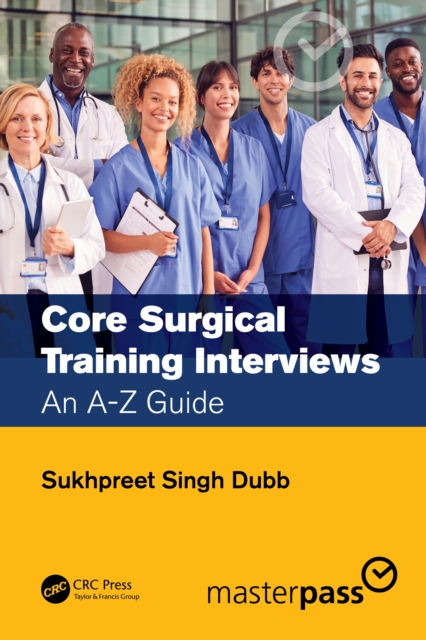
Core Surgical Training Interviews
Each year the competition ratio for UK Core Surgical Training jobs is high. For every 3.3 applicants, only one will be successfully appointed to a CST post. This revision guide maximises the chances of interview success. by providing comprehensive application and interview advice. Chapters include Clinical, Portfolio and Management stations and include both advice and real clinical scenarios, enabling trainee surgeons to save time and gain interview confidence.
eBook
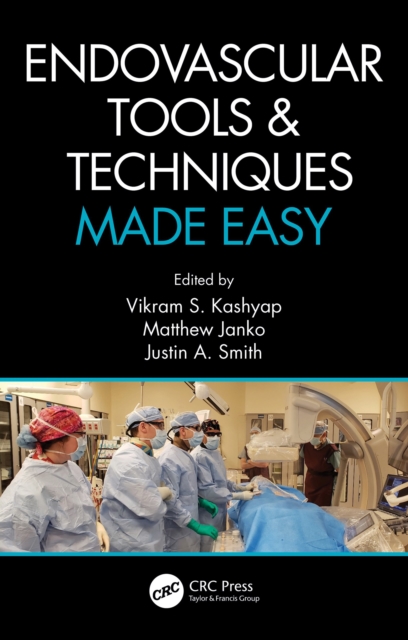
Endovascular Tools & Techniques Made Easy
This book complements and supplements the daily hands-on learning of residents and fellows in the areas of vascular surgery, interventional radiology, and interventional cardiology as they explore the world of endovascular and catheter-based procedures. Due to the complexity and growth in this field, it is vital that trainees establish a firm foundational knowledge of the basic construction of the tools they will be using, the properties that make them suited for addressing specific diseases, and their proper handling so that procedures can be completed effectively and safely.
This practical resource shows the clinician how to handle and use the tools, devices, and implants required for endovascular interventions. A firm foundation in understanding the purpose, technical parameters, and function of each tool is required by vascular surgeons, interventional cardiologists, and interventional radiologists.
eBook