
Catalogue Search | MBRL


Are you sure you want to remove the book from the shelf?

{{itemTitle}}
49
result(s) for
"Mamelouks."
Sort by:

The Chronicles and Annalistic Sources of the Early Mamluk Circassian Period
This book examines in a detailed and comprehensive manner, the genealogy of the historiography of the Early Mamluk Circassian period and provides a source-critical assesment of the sources for the reign of al-Zāhir Barqūq (784-91, 792-801/1382-9, 1390-9).
eBook
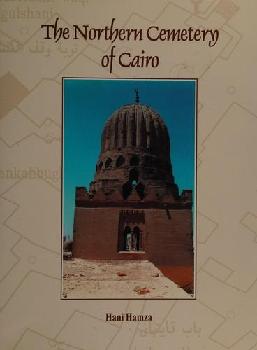
The Northern Cemetery of Cairo
\"The Northern Cemetery of Cairo deals with the beginnings, growth and decline of one of the most important cemeteries of Cairo, which is quintessentially a product of Mamluk patronage. The Northern Cemetery was a separate entity isolated on all sides; to the south the steep descent of Bab al-Wazir and the Citadel complex separated it from the Qarafa; to the west the Barqiyya mounds and the Cairo wall separated it from the city proper; to the east al-Gabal al-Ahmar fixed its physical limit; its northern boundaries, however, are not clearly defined.\"
BOOK

Représentations, sunnanisation et sacralisation de la furūsiyya à l’époque mamelouke ( XIII e‑ XVI e siècle)
Cavaliers hors pair, les Mamelouks furent les maîtres incontestés de la furūsiyya à leur époque. Résultat de la combinaison de différentes cultures équestres et guerrières, cet art, que l’on peut qualifier de martial, fut porté à son apogée par les Mamelouks qui en firent, par sa pratique régulière, une distinction sociale comme l’a démontré A. Carayon en 2012. Le présent article tente de faire la lumière sur les enjeux de la furūsiyya. Au‑delà des défilés militaires et des compétitions de furūsiyya qui furent légion sous les Mamelouks, l’engouement pour cet art provenait‑il uniquement de la classe guerrière mamelouke ? À cette époque, l’esprit de la furūsiyya n’avait‑t‑il pas dépassé les frontières sociales ? Les raisons de sa pratique furent‑elles uniquement d’ordre militaire ? Enfin, l’exercice de cet art ne pouvait‑il pas constituer une forme de discours et apporter plus qu’un entraînement militaire et qu’une distinction sociale pour les Mamelouks ? Telles sont les interrogations auxquelles je tente ici d’apporter quelques éléments de réponse à partir de l’analyse serrée et de la confrontation de données tirées des chroniques, des sources didactiques et religieuses. Unrivaled cavalrymen, the Mamluks were the undisputed masters of the furūsiyya in their time. The furūsiyya art was the result of a combination of different equestrian and military traditions. As argued by A. Carayon in 2012, this art reached its peak under the Mamluks and became a channel of social distinction. This article examines various aspects of the practice of furūsiyya beyond military parades and competitions that were practiced by Mamluk legions. Did the passion for furūsiyya only exist among the Mamluks or did its practice extend to other social groups? As such, how did this interest in furūsiyya transcend social boundaries? Was it practiced only as a military art? Did the practice of the furūsiyya mean more to the Mamluks than mere military training and a channel to social distinction? These are some of the questions that I will attempt to answer in this discussion based on the analysis of various sources including chronicles, instruction and training manuals, and religious treatises.
Journal Article

A Supplementary Source for the Study of Mamluk Social History: The Taqārīz
Abstract
The taqārīẓ were part of an established system of academic recognition and the ʿulamāʾ patronage networks and at times, they could also be a powerful satirical weapon used by the learned elite members to denigrate and exclude a colleague. The large collection of the satire taqārīẓ written for the panegyric Biography composed in 819/1416 by Šams al-Dīn Muḥammad b. Nāhiḍ for the Mamluk sultan al-Muʾayyad Šayḫ is explored in this article as a supplementary source to the historical narratives for the study of the ʿulamāʾ milieu during the strained period of the transition from Turkish to Circassian sultanate (784/1382). Placing these taqārīẓ in the context of the increasing social insecurity entailed by the political reshuffles, reveals the growing anxiety of the incumbent learned elites over their positions and status in the administration of justice, the academe (madāris) and the waqf institution-the spheres where they exercised their hegemony of knowledge and religious power-and the strategies they adopted for their social survival.
Journal Article

The Ottomans and the Mamluks
Beginning on the eve of oceanic exploration, and the first European forays into the Indian Ocean and the Middle East, The Ottomans and the Mamluks traces the growth of the Ottoman Empire from a tiny Anatolian principality to a world power, and the relative decline of the Mamluks-historic defenders of Mecca and Medina and the rulers of Egypt and Syria. Cihan Yuksel Muslu traces the intertwined stories of these two dominant Sunni Muslim empires of the early modern world, setting out to question the view that Muslim rulers were historically concerned above all with the idea of Jihad against non-Muslim entities. Through analysis of the diplomatic anad military engagements around the Mediterranean and Indian Ocean, Muslu traces the interactions of these Islamic super-powers and their attitudes towards the wider world. This is the first detailed study of one of the most important political and cultural relationships in early-modern Islamic history.
eBook
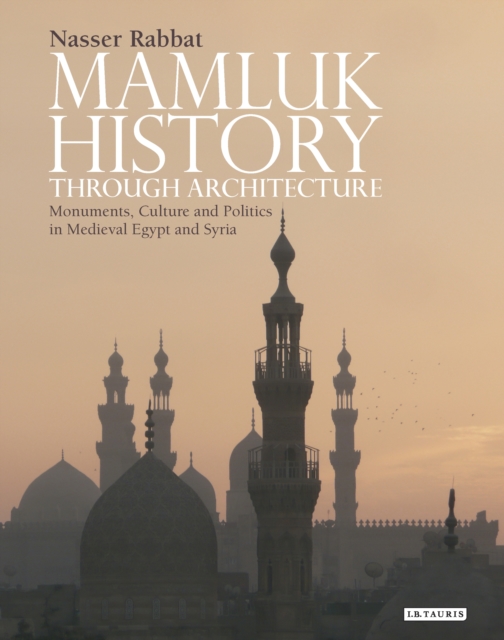
Mamluk History Through Architecture
The most enduring testament to the Mamluk Sultanate is its architecture. Not only do Mamluk buildings embody one of the most outstanding medieval architectural traditions, Mamluk architecture is actually a key to the social history of the period. Analysing Mamluk constructions as a form of communication and documentation as well as a cultural index, “Mamluk History Through Architecture” shows how the buildings mirror the complex - and historically unique - military, political, social and financial structures of Mamluk society. With this original and authoritative study, Nasser Rabbat offers an innovative approach to the history of the Mamluks - through readings of the spectacular architecture of the period. Drawing on examples from throughout both Egypt and Syria, from the Citadel and Al-Azhar Mosque of Cairo to the Mausoleum of al-Zahir Baybars in Damascus, Rabbat demonstrates how Mamluk architecture served to reinforce visually the spirit of the counter-Crusade, when the Muslim world rebounded from the setbacks of the First Crusade. Both holistically and in case studies, Rabbat demonstrates how history is inscribed into and reflected by a culture’s artefacts.
This is a groundbreaking work in the study of architecture and social history in the Middle East and beyond.
eBook

Music Theory in Mamluk Cairo
The gayat al-ma¿lub fi 'ilm al-adwar wa-'l-¿urub by Ibn Kurr is the only theoretical
text of any substance that can be considered representative of musicological discourse
in Cairo during the first half of the fourteenth century CE. Indeed, nothing comparable
survives from the whole Mamluk period, which extends from 1260 until the Ottoman
invasion and conquest of Egypt in 1516. But its value does not derive merely from its
fortuitous isolation: it is important, rather, because of the richness of the
information it provides with regard to modal and rhythmic structures, and also because
of the extent to which the definitions it offers differ from those set forth in an
interrelated series of major theoretical works in both Arabic and Persian that span the
period from the middle of the thirteenth century to the late fifteenth. Alongside the
presumption of transregional uniformity these texts suggest, it consequently asserts the
significance of local particularism.
Owen Wright provides a critical edition of the text itself, together with a glossary,
prefaced by an introduction and a detailed commentary and analysis. The introduction
provides immediate context, situating the work in relation to the dominant theoretical
tradition of the period and providing biographical information about the author, active
in Cairo during the first half of the fourteenth century.
eBook

Textile as Traveller: The Transmission of Inscribed Robes across Asia in the Twelfth through Fourteenth Centuries
十 二 至 十 四 世 紀 , 在 東 亞 、 中 亞 和 西 亞 之 間 出 現 了 規 模 空 前 的 物 品 交 換 。 題 字 ( 或 帶 有 類 字 符 紋 樣 的 ) 紡 織 品 在 當 時 出 產 於 亞 洲 各 地 , 由 此 便 可 一 窺 這 場 橫 跨 大 陸 的 交 流 活 動 。 這 些 帶 有 題 字 的 織 物 可 能 源 自 西 亞 流 傳 的 ṭirāz( 一 種 中 古 時 期 繡 有 文 字 的 伊 斯 蘭 服 飾 ), 並 且 與 象 徵 身 份 榮 譽 的 禮 袍 相 關 。 其 上 或 繡 有 可 釋 讀 的 文 字 , 或 飾 以 仿 文 字 花 樣 。 它 們 在 東 亞 的 出 現 暗 示 了 ṭirāz 風 格 的 題 字 即 使 在 伊 斯 蘭 世 界 之 外 仍 然 具 有 符 號 學 意 義 。 利 用 外 來 文 字 作 為 服 飾 紋 樣 的 潮 流 在 蒙 元 時 期 ( 約 1206-1368) 達 到 了 高 峰 。 然 而 , 有 證 據 顯 示 這 種 裝 飾 在 蒙 古 強 盛 前 數 世 紀 便 已 出 現 。 描 述 題 字 織 物 在 亞 洲 大 地 的 旅 程 , 有 助 於 展 示 這 三 百 年 間 發 生 在 亞 洲 各 地 的 形 形 色 色 的 文 化 、 政 治 和 工 藝 交 流 。
Entre le XIIe et le XIVe siècle, des échanges d’une ampleur sans précédent se développent entre l’Asie orientale, l’Asie centrale et l’Asie occidentale. Alors produits dans toute l’Asie, les textiles décorés d’inscriptions – ou de motifs ressemblant à des inscriptions – permettent d’explorer ce phénomène. Ces inscriptions, dérivant, semble-t-il, de la tradition du ṭirāz d’Asie occidentale, et associées à la pratique de vêtements honorifiques, apparaissent sous la forme d’écritures lisibles et sous celle de pseudo-écritures. Leur émergence en Asie orientale renvoie à la dimension sémiotique des inscriptions de style ṭirāz, y compris en dehors du monde islamique. Si la tendance à employer des écritures étrangères comme des motifs pour vêtements semble avoir atteint son apogée durant la période Mongole (ca. 1206-1368), des exemples antérieurs de plusieurs siècles ont été découverts. Retracer les itinéraires de ces textiles inscrits permet de mieux évaluer les échanges culturels, politiques et technologiques développés à travers l’Asie durant ces quelque trois siècles.
12 〜 14 世 紀 の 間 、 東 ア ジ ア と 中 央 ア ジ ア 、 そ し て 西 ア ジ ア の 間 に 、 そ れ ま で に な か っ た 規 模 の 文 物 の 交 流 が 起 こ る 。 そ の 時 代 、 文 字 、 ま た は 文 字 に 似 せ た モ テ ィ ー フ を 織 り 込 ん だ 織 物 が 、 ア ジ ア 全 域 で 製 作 さ れ 、 そ の 広 が り を 見 る こ と で 、 こ の 交 流 が い か に 巨 大 な も の だ っ た か を 理 解 す る こ と が で き る 。 こ れ ら の 文 字 を 織 り 込 ん だ 織 物 は 、 西 ア ジ ア の ṭirāz の 伝 統 に 遡 る も の で あ る と 思 わ れ 、 判 読 可 能 な 文 字 、 も し く は 文 字 様 の 文 様 を 描 い た 礼 服 の 習 慣 に 結 び つ け ら れ る 。 そ れ が 東 ア ジ ア で も 現 わ れ る の は 、 イ ス ラ ー ム 世 界 の 外 を 含 め て ṭirāz 様 式 の 文 字 が 持 っ て い た 記 号 論 的 な 意 味 と か か わ っ て い る と 考 え ら れ る 。 外 国 の 文 字 を 服 装 の 装 飾 的 文 様 と し て 用 い る 傾 向 は 、 モ ン ゴ ル 時 代 ( 1206 〜 1368 年 ご ろ ) に 最 高 潮 を 迎 え る が 、 そ れ よ り 数 世 紀 以 前 の 事 例 も 知 ら れ て い る 。 こ れ ら 、 文 字 を モ テ ィ ー フ に し た 織 物 が ど の よ う な 経 路 を た ど っ て ア ジ ア 全 域 に 伝 播 し た か を 検 討 す る こ と で 、 こ の 三 百 年 間 の 文 化 的 、 政 治 的 、 技 術 的 な 交 流 を よ り 正 確 に 跡 付 け る こ と が で き る の で あ る 。
The twelfth to fourteenth centuries marked a period of cross-continental exchange on an unprecedented scale between East, Central, and West Asia. Textiles woven with script or script-like elements shed some light on this cross-continental movement, as inscribed textiles were produced across Asia. These woven inscriptions, likely derived from the West Asian tradition of ṭirāz and connected to practices of honorific robing, appear in both pseudo and readable scripts. Their appearance in East Asia hints at the semiotic significance ṭirāz-style inscriptions had, even outside the Islamic world. The trend of employing foreign scripts as a decorative motif on robes appears to have reached its apex during the Mongol period (ca. 1206–1368). However, evidence for such decoration has been unearthed from the centuries prior to the Mongol conquests as well. Tracing the routes that inscribed textiles took across the continent reveals the kinds of cultural, political, and technological exchange occurring throughout Asia during these 300 years.
Shea Eiren. Textile as Traveller: The Transmission of Inscribed Robes across Asia in the Twelfth through Fourteenth Centuries. In: Arts asiatiques, tome 73, 2018. pp. 25-40.
Journal Article
Toponymie et résidences urbaines à Damas au xive siècle
Palais et demeures des princes ayyoubides à Damas ont incontestablement constitué pour le nouveau pouvoir mamelouk un patrimoine immobilier particulièrement convoité. Prestigieux marqueurs de l’espace urbain intra muros, ces édifices, parfois bien antérieurs à l’époque ayyoubide, sont mentionnés de façon récurrente dans les sources textuelles tout au long du premier siècle mamelouk, avant de disparaître. À partir d’une lecture attentive des sources historiques, l’identification et la localisation de ces toponymes ainsi que la reconstruction minutieuse de l’histoire des bâtiments auxquels ils font référence sont au cœur de la présente étude. Par ce travail, il s’agira dès lors d’essayer de mieux comprendre l’une des modalités d’insertion des émirs mamelouks et du nouveau pouvoir dans la ville.
Journal Article