
Catalogue Search | MBRL


Are you sure you want to remove the book from the shelf?

{{itemTitle}}
946,581
result(s) for
"Marijuana"
Sort by:

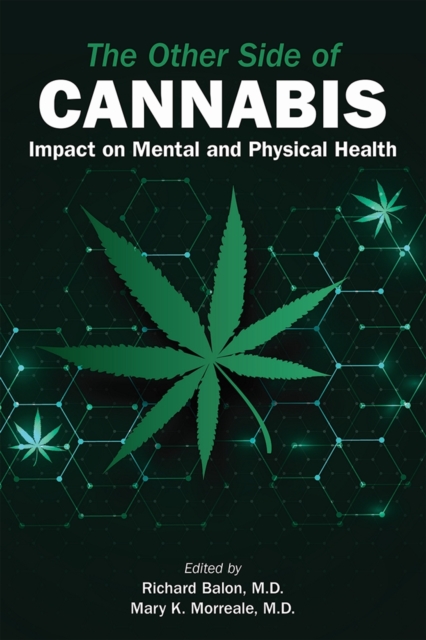
The Other Side of Cannabis
Although federal law in the United States still prohibits the use, possession, and sale of cannabis containing more than 0.3% THC, 24 states, the District of Columbia, and three U.S. territories have legalized the recreational use of marijuana. This trend is also seen in other countries, including Canada, South Africa, and Uruguay. Studies show that the prevalence of cannabis use disorder among people who use cannabis is relatively high. As the business of cannabis—both legal and illicit—and its use continue to grow, mental health and medical professionals must be prepared to address the effects of cannabis on the mind and body. Equipping providers with the relevant information is the intention of The Other Side of Cannabis. Relying on the insights of experts from around the world, this volume examines, among many other topics: • The frequency of use and deleterious effects of cannabis on adolescents, adults, and older adults• The link between cannabis and psychosis• The relationship between cannabis and posttraumatic stress disorder and anxiety disorders• The effects of cannabis on fertility—both male and female• The mechanisms and efficacy of cannabinoids on treating chronic pain Extensively referenced, this guide is rich in figures and tables for ease of reference. Key points at the end of each chapter aid in the retention and recall of the most important information. Readers will come away with a comprehensive understanding of the detrimental impact of cannabis use and be better positioned to educate patients, the public, and policymakers.
eBook


The dangers of marijuana
Discusses drug abuse by looking at the scope, use, addiction, treatment, and recovery from marijuana.
Book


Cannabis and society: families’ perceptions of cannabis consumption
IntroductionCannabis is an illicit substance whose use is very common among the patients we see daily in hospitals. Its use is not simply a “recreational” desire, but above all an attempt at self-medication in order to manage emotions that have become too painful. However, even if cannabis reduces the symptomatology in the moment, it worsens most psychiatric pathologies.ObjectivesThe purpose of this study is to assess the experiences of cannabis users’ families.MethodsThe survey was carried out among the families of patients hospitalized at the Arrazi Hospital in Salé and those followed in consultation and who use cannabis. The collection of information is done with the help of an exploitation form.Results34.6% of the participating families put bad company as the cause of consumption, followed by family problems, psychiatric problems come in 3rd position with a percentage of 19.2%. Cannabis use is considered as a disease in 52.8% of the families participating in the study. 58.5% of the families distinguish between good and bad cannabis use and define bad use by the use of large quantities of cannabis in 34.2% of the cases. The majority of the participating families (86.8%) saw cannabis as aggravating their loved one’s mental illness.ConclusionsThe understanding of the perceptions of the families towards the use of cannabis by their close relatives as well as the correction of the false perceptions will help to establish better prevention programs and better patient care especially with the family therapy which showed its utility in the management of the patients having disorders related to the use of cannabis.Disclosure of InterestNone Declared
Journal Article


The Health Effects of Cannabis and Cannabinoids
Significant changes have taken place in the policy landscape surrounding cannabis legalization, production, and use. During the past 20 years, 25 states and the District of Columbia have legalized cannabis and/or cannabidiol (a component of cannabis) for medical conditions or retail sales at the state level and 4 states have legalized both the medical and recreational use of cannabis. These landmark changes in policy have impacted cannabis use patterns and perceived levels of risk.
However, despite this changing landscape, evidence regarding the short- and long-term health effects of cannabis use remains elusive. While a myriad of studies have examined cannabis use in all its various forms, often these research conclusions are not appropriately synthesized, translated for, or communicated to policy makers, health care providers, state health officials, or other stakeholders who have been charged with influencing and enacting policies, procedures, and laws related to cannabis use. Unlike other controlled substances such as alcohol or tobacco, no accepted standards for safe use or appropriate dose are available to help guide individuals as they make choices regarding the issues of if, when, where, and how to use cannabis safely and, in regard to therapeutic uses, effectively.
Shifting public sentiment, conflicting and impeded scientific research, and legislative battles have fueled the debate about what, if any, harms or benefits can be attributed to the use of cannabis or its derivatives, and this lack of aggregated knowledge has broad public health implications. The Health Effects of Cannabis and Cannabinoids provides a comprehensive review of scientific evidence related to the health effects and potential therapeutic benefits of cannabis. This report provides a research agenda-outlining gaps in current knowledge and opportunities for providing additional insight into these issues-that summarizes and prioritizes pressing research needs.
eBook