
Catalogue Search | MBRL


Are you sure you want to remove the book from the shelf?

{{itemTitle}}
66
result(s) for
"Massachusetts Religious life and customs."
Sort by:

Household Gods : The Religious Lives of the Adams Family
\"Household Gods is a 300-year story of religious exploration and discovery, as told by early America's first family, the Adamses of Massachusetts, as they navigated faith and doubt in the growing nation--and beyond\"-- Provided by publisher.
BOOK
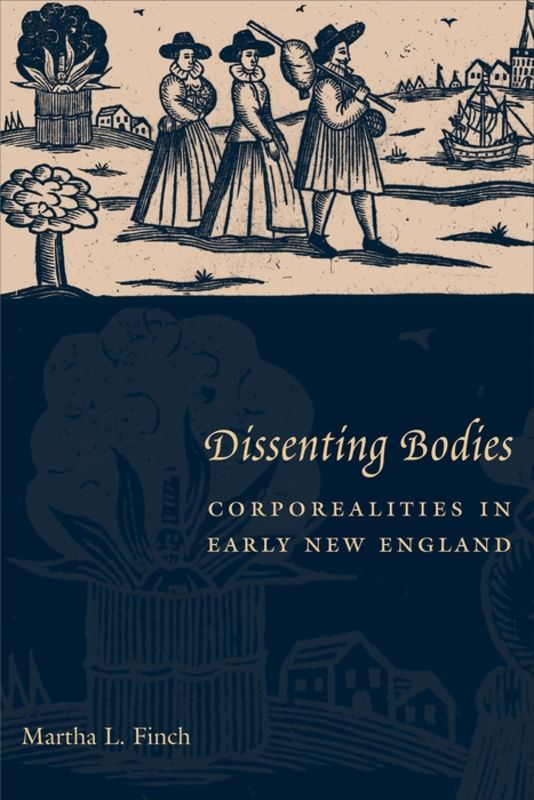
Dissenting Bodies
For the Puritan separatists of seventeenth-century New England, \"godliness,\" as manifested by the body, was the sign of election, and the body, with its material demands and metaphorical significance, became the axis upon which all colonial activity and religious meaning turned.
Drawing on literature, documents, and critical studies of embodiment as practiced in the New England colonies, Martha L. Finch launches a fascinating investigation into the scientific, theological, and cultural conceptions of corporeality at a pivotal moment in Anglo-Protestant history. Not only were settlers forced to interact bodily with native populations and other \"new world\" communities, they also fought starvation and illness; were whipped, branded, hanged, and murdered; sang, prayed, and preached; engaged in sexual relations; and were baptized according to their faith. All these activities shaped the colonists' understanding of their existence and the godly principles of their young society.
Finch focuses specifically on Plymouth Colony and those who endeavored to make visible what they believed to be God's divine will. Quakers, Indians, and others challenged these beliefs, and the constant struggle to survive, build cohesive communities, and regulate behavior forced further adjustments. Merging theological, medical, and other positions on corporeality with testimonies on colonial life, Finch brilliantly complicates our encounter with early Puritan New England.
eBook

The Lord's work
Rev Eugene F. Rivers III of the Azusa Christian Community church in Boston spearheaded a plan for cutting juvenile violence, reclaiming parks and sidewalks, educating at-risk children, promoting local economic development, strengthening families and resurrecting the civil life of Boston's jobless drug-and-crime-infested neighborhoods. In the late 1980s and early 1990s, a group of black, inner-city ministers in Boston organized themselves around a plan for cutting juvenile violence, reclaiming parks and sidewalks, educating at-risk children, promoting local economic development, strengthening families, and resurrecting the civil life of their jobless drug-and-crime-invested neighborhoods. For all the success, attention, praise, and publicity of the program, the group is still wanting for new volunteers and still lacking in financial support. Most of the best recent empirical research suggests that inner-city churches, especially black congregations, are leveraging several times their weight in community service. It will be crucial for all concerned to understand inner-city churches as part of the civil society sector. It is important to think critically about faith communities in relation to broader debates about the state of civil society and to ask how much of urban America's ostensibly dwindling stock of social capital is spiritual capital. It is vital to remain focused on how churched volunteers and the rest of the civil society sector respond to today's ever more highly devolved federal welfare regime.
Journal Article