
Catalogue Search | MBRL


Are you sure you want to remove the book from the shelf?

{{itemTitle}}
109
result(s) for
"Medical education Venezuela."
Sort by:

Revolutionary doctors : how Venezuela and Cuba are changing the world's conception of health care
\"Revolutionary Doctors gives readers a first-hand account of Venezuela's innovative and inspiring program of community healthcare, designed to serve--and largely carried out by--the poor themselves. Drawing on long-term participant observations as well as in-depth research, Brouwer tells the story of Venezuela's Integral Community Medicine program, in which doctor-teachers move into the countryside and poor urban areas to recruit and train doctors from among peasants and workers. Such programs were first developed in Cuba, and Cuban medical personnel play a key role in Venezuela today as advisors and organizers. This internationalist model has been a great success--Cuba is a world leader in medicine and medical training--and Brouwer shows how the Venezuelans are now, with the aid of their Cuban counterparts, following suit. But this program is not without its challenges. It has faced much hostility from traditional Venezuelan doctors as well as all the forces antagonistic to the Venezuelan and Cuban revolutions. Despite the obstacles it describes, Revolutionary Doctors demonstrates how a society committed to the well-being of its poorest people can actually put that commitment into practice, by delivering essential healthcare through the direct empowerment of the people it aims to serve\"--Provided by publisher.
Book
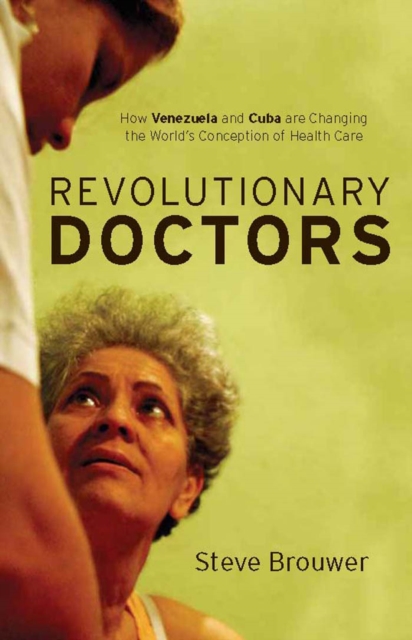
Revolutionary Doctors
Revolutionary Doctors gives readers a first-hand account of Venezuela's innovative and inspiring program of community healthcare, designed to serve - and largely carried out by - the poor themselves. Drawing on long-term participant observations as well as in-depth research, Brouwer tells the story of Venezuela's Integral Community Medicine program, in which doctor-teachers move into the countryside and poor urban areas to recruit and train doctors from among peasants and workers. Such programs were first developed in Cuba, and Cuban medical personnel play a key role in Venezuela today as advisors and organizers. This internationalist model has been a great success - Cuba is a world leader in medicine and medical training - and Brouwer shows how the Venezuelans are now, with the aid of their Cuban counterparts, following suit.But this program is not without its challenges. It has faced much hostility from traditional Venezuelan doctors as well as all the forces antagonistic to the Venezuelan and Cuban revolutions. Despite the obstacles it describes, Revolutionary Doctors demonstrates how a society committed to the well-being of its poorest people can actually put that commitment into practice, by delivering essential healthcare through the direct empowerment of the people it aims to serve.
eBook

Characterizing the Venezuelan situation between 2014-2020 in a population-based study using seven key indicators
Background
Venezuela has faced a crisis over the past decade. This study aims to characterize the crisis and identify the population’s most vulnerable subgroups.
Methods
Follow-up data (2018–2020) from 1,257 subjects (35% of the total) who participated in the nationally representative sample of the Venezuelan Study of Cardiometabolic Health (EVESCAM, 2014–2017) were analyzed. The distribution of seven crisis indicators– food insecurity, stressful life events, family separation, disruption in access to utilities (water, electricity, gas, or sanitation), lack of access to medications, lack of access to transportation, and disruption of childhood education– were analyzed across five subgroups (age, sex, ethnicity, socioeconomic status [SES], and education). Logistic regression adjusted by other socio-demographic variables was used to analyze associations among variables.
Results
Of the total sample, 71.8% were female, 67.0% ≥ 50 years old, 52% low SES, and 80.2% Mixed ethnicity. Overall, 77.3% reported disruption in access to at least one utility and 31.7% to two or more utilities. The former was higher in females (OR 1.46, 95% CI 1.08–1.98) and those with lower education (OR 2.03, 1.27–3.23). Lack of electricity (70.2%) was similar across subgroups. Lack of transportation (76.2%) affected females (OR 1.36, 1.10–1.67) and those of Mixed ethnicity more strongly. Disruption of children’s education was reported more in homes with the youngest, Amerindian, low SES, and less educated participants. Family separation (49.2%) affected older and female participants more strongly. Food insecurity (60.2%) was more frequent in the low SES group compared with the high SES group (OR 2.17, 1.45–3.25). Stressful life events (67.2%) and lack of medications (43.8%) did not differ across subgroups.
Conclusions
The Venezuelan humanitarian crisis has heightened vulnerability to crisis indicators among women, elders, those with low SES, and less educated subgroups of the population. These findings should prompt cost-effective programs targeted at those most vulnerable.
Journal Article

Dementia incidence and mortality in middle-income countries, and associations with indicators of cognitive reserve: a 10/66 Dementia Research Group population-based cohort study
Results of the few cohort studies from countries with low incomes or middle incomes suggest a lower incidence of dementia than in high-income countries. We assessed incidence of dementia according to criteria from the 10/66 Dementia Research Group and Diagnostic and Statistical Manual of Mental Disorders (DSM) IV, the effect of dementia at baseline on mortality, and the independent effects of age, sex, socioeconomic position, and indicators of cognitive reserve.
We did a population-based cohort study of all people aged 65 years and older living in urban sites in Cuba, the Dominican Republic, and Venezuela, and rural and urban sites in Peru, Mexico, and China, with ascertainment of incident 10/66 and DSM-IV dementia 3–5 years after cohort inception. We used questionnaires to obtain information about age in years, sex, educational level, literacy, occupational attainment, and number of household assets. We obtained information about mortality from all sites. For participants who had died, we interviewed a friend or relative to ascertain the likelihood that they had dementia before death.
12 887 participants were interviewed at baseline. 11 718 were free of dementia, of whom 8137 (69%) were reinterviewed, contributing 34 718 person-years of follow-up. Incidence for 10/66 dementia varied between 18·2 and 30·4 per 1000 person-years, and were 1·4–2·7 times higher than were those for DSM-IV dementia (9·9–15·7 per 1000 person-years). Mortality hazards were 1·56–5·69 times higher in individuals with dementia at baseline than in those who were dementia-free. Informant reports suggested a high incidence of dementia before death; overall incidence might be 4–19% higher if these data were included. 10/66 dementia incidence was independently associated with increased age (HR 1·67; 95% CI 1·56–1·79), female sex (0·72; 0·61–0·84), and low education (0·89; 0·81–0·97), but not with occupational attainment (1·04; 0·95–1·13).
Our results provide supportive evidence for the cognitive reserve hypothesis, showing that in middle-income countries as in high-income countries, education, literacy, verbal fluency, and motor sequencing confer substantial protection against the onset of dementia.
Wellcome Trust Health Consequences of Population Change Programme, WHO, US Alzheimer's Association, FONACIT/ CDCH/ UCV
Journal Article

Prevalence and epidemiological characteristics of asymptomatic malaria in Sucre, Venezuela: a 2022 cross-sectional study
Background
Despite a significant reduction in malaria cases in America, Venezuela has experienced a substantial increase between 2000 and 2019. Asymptomatic malaria, prevalent in both low- and high-endemic regions, poses a challenge due to the absence of clinical manifestations and often low parasitaemia. This study aims to determine the current prevalence of asymptomatic malaria in four rural communities of Sucre, the third most endemic state in the country.
Methods
A community-based cross-sectional study was conducted from October to December 2022 (high seasonality period). Individuals were interviewed in their households and assessed for malaria using rapid diagnostic tests (RDTs), thick and thin blood smear microscopy, and polymerase chain reaction (PCR). Asymptomatic individuals with PCR positive (PCR+) for
Plasmodium
were classified as cases, while PCR negative individuals were classified as controls. Descriptive statistics were used to analyse the data. The normality of numerical variables was assessed with the Kolmogorov–Smirnov test. Based on this assessment, Student’s
t
-test was applied to normally distributed variables and Mann–Whitney U-test to non-normally distributed ones. For categorical variables, Pearson’s chi-square test was used when less than 25.0% of cells had an expected frequency below five; otherwise, Fisher’s exact test was employed.
Results
The study involved 351 individuals, mostly women (54.7%), of mixed (non-indigenous) race (61.3%), with primary (6 years) education (40.7%). The most common occupations were students (30.5%), housekeepers (27.6%), and farmers (16.5%). Over half (54.4%) had lived at their current address for over 10 years. The prevalence of asymptomatic malaria by RDTs and microscopy was 0.3% (
n
= 1/351) as determined. However, PCR detected a higher prevalence of 24.8% (87 positive cases, 95.0% CI = 20.5–29.5), primarily caused by
P. vivax
(73.6%). The highest prevalences were observed in individuals aged over 15 years (27.1%, 95.0% CI = 21.6–33.1), males (28.3%, 95.0% CI = 21.7–35.6), those with a college (14 years) education (33.3%, 95.0% CI = 17.2–53.2), and educators (41.7%, 95.0% CI = 18–68.8). The rural community with the highest prevalence was Chacopata (30.6%, 95.0% CI = 17.4–46.7), followed by El Paujil (28.6%, 95.0% CI = 21.9–36.1), Yaguaraparo (23.2%, 95.0% CI = 15.1–33.1), and Cristóbal Colón (16.5%, 95.0% CI = 9.6–25.8). Two-thirds (66.7%) reported a malaria history, predominantly caused by
P. vivax
(70.5%), with a median of 3 previous episodes. At least one-third (35.5%) had non-adherence to treatment during their most recent malarial episode. No statistically significant differences were observed between sociodemographic characteristics and malaria history of individuals with asymptomatic malaria (PCR+) and controls.
Conclusion
RDTs and microscopy only managed to diagnose less than 1.0% of asymptomatic malaria cases. Active surveillance systems with high sensitivity such as PCR may provide accurate estimates of asymptomatic malaria prevalence needed for opportune diagnosis and treatment.
Journal Article

Measuring depressive symptoms among Latinos in the US: a psychometric evaluation of the CES-D Boston form
Purpose
We present a psychometric evaluation of the Center for Epidemiologic Studies Depression Boston Form (CES-D-B) for use with different Latino subgroups as there is inconsistency regarding its performance across subgroups of Latinos, a large and rapidly growing cultural group in the United States.
Methods
We evaluated the reliability and structural validity of the scores generated by the CES-D-B using four distinct Latino samples residing in US: Mexicans, Venezuelans, Cubans, and “other Latinos” (total
N
= 1033). To further explore structural validity of CES-D-B scores, we conducted measurement invariance analyses across different countries of origin, gender groups, educational levels, and languages of assessment (English, Spanish).
Results
For all four samples, CES-D-B scores were highly reliable as indicated with the coefficients ranging from 0.82 to 0.88, and the factor structure provided an adequate fit to the data with the fit indices CFI/TLI ranging from 0.96 to 0.99, RMSEA estimates between 0.02 and 0.07, and SRMR estimates between 0.02 and 0.04. While measurement invariance analyses for different educational levels indicated scalar invariance across all samples, the same level of measurement equivalency was achieved only for Mexicans and Venezuelans with varying gender and languages of assessment.
Conclusions
The findings indicated that CES-D-B scores are internally consistent, possess a strong four-factor structure, and have somewhat equivalent psychometric properties across diverse Latino groups. Findings from this study highlight the importance of considering gender and languages of assessment when assessing depressive symptoms of various Latino subgroups.
Journal Article

Obstetrical Complications in Venezuelan Refugee and Migrant Women: Analysis of Ecuadorian National Hospital Discharge Data, 2018–2021
An estimated 7.7 million Venezuelans have fled a severe humanitarian crisis in their country, most (70%) to other middle-income host countries in the same Andean region. Migration-related exposures during periconception and other critical gestational periods can adversely impact maternal-perinatal outcomes. Emerging evidence suggests that Venezuelan refugee and migrant women (VRMW) who migrate to Andean host countries are at-risk for delivering preterm and low birthweight infants and for Cesarean-sections. However, relatively few studies have examined obstetrical complications that could contribute to these or other short- and longer-term health outcomes of VRMW and/or their offspring. Our exploratory study analyzed four recent years of national hospital discharge data (2018–2021) from Ecuador to compare the primary discharge diagnoses of VRMW (n = 29,005) and Ecuadorian nationals (n = 1,136,796) for ICD-10 O code obstetrical complications related to or aggravated by pregnancy, childbirth, or the puerperium. Our findings indicated that VRMW were hospitalized for 0.5 days longer than Ecuadorian reference group women and they had higher adjusted odds (aOR) for a primary discharge diagnosis for obstetrical complications including preeclampsia (aOR:1.62, 95% CI:1.55,1.69), preterm labor (aOR:1.20, 95% CI:1.11,1.31), premature rupture of membranes (aOR: 1.72, 95% CI:1.63,1.83), oligohydraminos (aOR:1.24, 95% CI:1.12,1.36), obstructed labor (aOR: 1.39, 95% CI:1.31,1.47), perineal lacerations/other obstetric trauma (aOR:1.76, 95% CI:1.63, 1.91), STIs (aOR:2.59, 95% CI:1.29,2.92), anemia (aOR:1.33, 95% CI:1.24,1.42), and ectopic pregnancy (aOR:1.16 95% CI:1.04,1.28). They had similar aOR for diagnosed gestational diabetes and spontaneous abortion (SAB) compared to the reference group but a reduced aOR for genitourinary infections (aOR:0.79, 95% CI:0.74,0.84) and early pregnancy hemorrhage not ending in SAB (aOR:0.43, 95% CI:0.36,0.51). Our findings underscore the vulnerability of VRMW for a number of potentially serious obstetrical complications with the potential to adversely impact the short- and longer-term health of mothers and their offspring. Future studies should collect more detailed information on the migration status, experiences, and exposures of MRMW that influence their risk for obstetrical complications. These are needed to expand our findings to better understand why they have excess risk for these and to inform social and public health policies, programs and targeted interventions aimed at reducing the risk of this vulnerable refugee and migrant group.
Journal Article

Attitudes of Medical Students Towards Psychiatry in Venezuela: a 6-Year Longitudinal Study
Objective
The authors evaluated changes in attitude towards psychiatry of medical students in one medical school in Venezuela.
Methods
Balon’s modified questionnaire was administered to first and sixth-year medical students to analyze their attitude towards psychiatry. The answers were compared with McNemar’s test.
Results
The students’ negative perception of psychiatry increased by the end of medical school with 45% of sixth-year students reportedly feeling uncomfortable when working with patients with psychiatric illness compared to only 8.3% of first-year medical students. Interest in specializing in psychiatry decreased from 2.6% in first-year medical students to 0% in sixth-year medical students (
p
=0.001).
Conclusion
Different factors may lead to the loss of interest in psychiatry of medical students in Venezuela, such as little time spent with patients, being in contact only with patients with psychosis, stigma about psychiatry among medical doctors and friends, feeling more comfortable with other specialties, and other specialties having a higher perceived status and being better paid.
Journal Article

High awareness, inadequate practices: a cross-sectional KAP study on Chagas disease in an endemic Venezuelan community
Background
Chagas disease, caused by
Trypanosoma cruzi
, remains a significant public health problem in Venezuela, with evidence of re-emerging transmission and increasing concern over non-vectorial routes such as oral and congenital transmission. Effective public health strategies require a clear understanding of community-level knowledge, attitudes, and practices (KAP). This study aimed to characterize and identify predictors of KAP regarding Chagas disease in a rural, endemic community in Portuguesa state, Venezuela.
Methods
A cross-sectional survey was conducted in September 2024 in the “Virgen de Coromoto” community. Participants aged 18 and older were recruited via non-probabilistic sampling. Data were collected using a pre-validated 57-item questionnaire covering sociodemographic aspects, knowledge, attitudes, and practices. KAP levels were categorized as high/low, positive/negative, and appropriate/inappropriate using a data-driven two-step cluster analysis. Binomial logistic regression was used to identify factors associated with these KAP outcomes.
Results
A total of 317 individuals participated in the study. The median age was 36 years, and 57.7% (
n
= 183) were female. While a majority of participants demonstrated high knowledge (59.3%) and positive attitudes (57.4%), a significant proportion engaged in inappropriate preventive practices (61.8%). Knowledge deficits were identified concerning non-vectorial transmission routes, with only 24.9% correctly identifying contaminated food/juices and 40.7% identifying blood transfusions as risks. Women of reproductive age had significantly lower knowledge scores compared to the rest of the population (median score 9 vs. 11,
p
< 0.001). Being a woman of reproductive age (aOR = 1.75, 95% CI = 1.04–2.95,
p
= 0.034) and having negative attitudes (aOR = 1.82, 95% CI = 1.09–3.03,
p
= 0.021) were significant predictors of low knowledge. Having metallic screens on windows and doors was associated with a lower likelihood of inappropriate practices (aOR = 0.46, 95% CI = 0.22–0.97,
p
= 0.04).
Conclusions
Despite generally high awareness, a critical disconnect exists between knowledge and protective behaviours in this endemic community. Specific vulnerabilities, including poor understanding of oral and congenital transmission routes and lower knowledge among women of reproductive age, pose significant risks. These findings underscore the need for targeted, evidence-based educational interventions that move beyond general awareness to address specific behavioural barriers and protect vulnerable groups.
Journal Article

Elimination of onchocerciasis from Colombia: first proof of concept of river blindness elimination in the world
Background
Onchocerciasis is a chronic parasitic infection originally endemic in 13 discrete regional foci distributed among six countries of Latin America (Brazil, Colombia, Ecuador, Guatemala, Mexico and Venezuela). In Colombia, this disease was discovered in 1965 in the Pacific Coast of the country. The National Onchocerciasis Elimination Program was established in 1993 with the aim of eliminating disease morbidity and infection transmission. In 2013, the World Health Organization (WHO) verified Colombia as free of onchocerciasis, becoming the first country in the world to reach such a goal. This report provides the empirical evidence of the elimination of
Onchocerca volvulus
transmission by
Simulium exiguum
(
s.l.
) after 12 years of 6-monthly mass drug administration of Mectizan® (ivermectin) to all the eligible residents living in this endemic area.
Methods
From 1996 onwards, a biannual community-based mass ivermectin administration programme was implemented, complemented by health education and community participation. In-depth parasitological, serological and entomological surveys were conducted periodically between 1998 and 2007 to evaluate the impact of ivermectin treatment according to the 2001 WHO guidelines. When the interruption of parasite transmission was demonstrated, the drug distribution ceased and a three-year post-treatment surveillance (PTS) period (2008–2010) was initiated.
Results
After 23 rounds of treatment, parasitological and ophthalmological assessments showed absence of microfilariae in skin and anterior chamber of the eyes. Serological tests proved lack of antibodies against
O. volvulus
in children under 10 years-old. A total of 10,500
S. exiguum
flies tested by PCR had no L3 infection (infectivity rate = 0.0095%; 95% CI: 0.0029–0.049) during 2004, indicating interruption of parasite transmission. However, biannual ivermectin treatments continued until 2007 followed by a 3-year PTS period at the end of which 13,481 flies were analyzed and no infective flies were found (infectivity rate = 0%; 95% CI: 0.0–0.014).
Conclusions
These results fulfilled the WHO criteria for onchocerciasis elimination. Consequently, in 2013 Colombia was verified as free of onchocerciasis, demonstrating that elimination of this neglected tropical disease is an achievable goal and paving the way for an elimination agenda to be followed by other endemic countries in Latin America and Africa.
Journal Article