
Catalogue Search | MBRL


Are you sure you want to remove the book from the shelf?

{{itemTitle}}
26,509
result(s) for
"Medical technology -- Psychological aspects"
Sort by:

The Inner History of Devices
For more than two decades, in such landmark studies asThe Second SelfandLife on the Screen, Sherry Turkle has challenged our collective imagination with her insights about how technology enters our private worlds. InThe Inner History of Devices, she describes her process, an approach that reveals how what we make is woven into our ways of seeing ourselves. She brings together three traditions of listening -- that of the memoirist, the clinician, and the ethnographer. Each informs the others to compose an inner history of devices. We read about objects ranging from cell phones and video poker to prosthetic eyes, from Web sites and television to dialysis machines. In an introductory essay, Turkle makes the case for an \"intimate ethnography\" that challenges conventional wisdom. One personal computer owner tells Turkle: \"This computer means everything to me. It's where I put my hope.\" Turkle explains that she began that conversation thinking she would learn how people put computers to work. By its end, her question has changed: \"What was there about personal computers that offered such deep connection? What did a computer have that offered hope?\"The Inner History of Devicesteaches us to listen for the answer. In the memoirs, ethnographies, and clinical cases collected in this volume, we read about an American student who comes to terms with her conflicting identities as she contemplates a cell phone she used in Japan (\"Tokyo sat trapped inside it\"); a troubled patient who uses email both to criticize her therapist and to be reassured by her; a compulsive gambler who does not want to win steadily at video poker because a pattern of losing and winning keeps her more connected to the body of the machine. In these writings, we hear untold stories. We learn that received wisdom never goes far enough.
eBook


Gender differences in unpaid care work and psychological distress in the UK Covid-19 lockdown
To describe how men and women divided childcare and housework demands during the height of the first Covid-19 lockdown in the UK, and whether these divisions were associated with worsening mental health during the pandemic.
School closures and homeworking during the Covid-19 crisis have resulted in an immediate increase in unpaid care work, which draws new attention to gender inequality in divisions of unpaid care work.
Data come from the wave 9 (2017-19) of Understanding Society and the following April (n = 15,426) and May (n = 14,150) waves of Understanding Society Covid-19 study. Psychological distress was measured using the General Health Questionnaire (GHQ) at both before and during the lockdown, and unpaid care work was measured during the lockdown. Linear regression models were used.
Women spent much more time on unpaid care work than men during lockdown, and it was more likely to be the mother than the father who reduced working hours or changed employment schedules due to increased time on childcare. Women who spent long hours on housework and childcare were more likely to report increased levels of psychological distress. Working parents who adapted their work patterns increased more psychological distress than those who did not. This association was much stronger if he or she was the only member in the household who adapted their work patterns, or if she was a lone mother. Fathers increased more psychological distress if they reduced work hours but she did not, compared to neither reducing work hours.
There are continued gender inequalities in divisions of unpaid care work. Juggling home working with homeschooling and childcare as well as extra housework is likely to lead to poor mental health for people with families, particularly for lone mothers.
Journal Article
Medical students in distress: The impact of gender, race, debt, and disability
In 2012, over half of US medical students experienced burnout and depression. Since that time, there have been many changes to student demographics, school resources and awareness of burnout in the medical field altogether. New tools are also available to screen for student distress, a condition that correlates with low mental quality-of-life, suicidal ideation and serious thoughts of dropping out. Despite increased attention on wellbeing and improved screening methods, no large-scale studies have evaluated student distress in the modern era of medical education. The objective of this study was to determine the current prevalence of medical student distress and contributing risk factors.
Student wellbeing from a national cohort of US medical students was measured with an electronic survey in a prospective, observational survey study from 2019-2020. Medical student distress was defined as a Medical Student Wellbeing Index (MS-WBI) of ≥4. Demographic details including age, race, gender, marital status, disability, desired specialty, and debt burden were evaluated in a multivariate logistic regression model to determine possible risk factors for the development of distress.
A total of 3,162 students responded to the survey, representing 110 unique medical schools. Of these respondents, 52.9% met criteria for distress and 22% had either taken or considered taking a leave of absence for personal wellbeing. Independent risk factors for distress included involvement in the clinical phase of medical school (OR 1.37); non-male gender (OR 1.6); debt burden >$20,000 (OR 1.37), >$100,000 (OR 1.81), and >$300,000 (OR 1.96); and disability status (OR 1.84).
Medical student wellbeing remains poor in the modern era of medical education despite increased attention to wellbeing and increased availability of wellbeing resources. Disability status is a novel risk factor for distress identified in this study. The persistence of previously identified risk factors such as non-male gender, debt burden and clinical phase of school suggest that efforts to curb medical student distress have been inadequate to date.
Journal Article
Factors associated with psychological distress during the coronavirus disease 2019 (COVID-19) pandemic on the predominantly general population: A systematic review and meta-analysis
The Coronavirus Disease 2019 (COVID-19) outbreak has escalated the burden of psychological distress. We aimed to evaluate factors associated with psychological distress among the predominantly general population during the COVID-19 pandemic.
We searched PubMed, EMBASE, Scopus, Cochrane Library, PsycINFO, and World Health Organization COVID-19 databases (Dec 2019-15 July 2020). We included cross-sectional studies that reported factors associated with psychological distress during the COVID-19 pandemic. Primary outcomes were self-reported symptoms of anxiety and depression. Random-effects models were used to pool odds ratios (OR) and 95% confidence intervals (CI). The protocol was registered in PROSPERO (#CRD42020186735).
We included 68 studies comprising 288,830 participants from 19 countries. The prevalence of anxiety and depression was 33% (95% CI: 28%-39%) and 30% (26%-36%). Women versus men (OR: 1.48 [95% CI: 1.29-1.71; I2 = 90.8%]), younger versus older (< versus ≥35 years) adults (1.20 [1.13-1.26]; I2 = 91.7%), living in rural versus urban areas (1.13 [1.00-1.29]; I2 = 82.9%), lower versus higher socioeconomic status (e.g. lower versus higher income: 1.45 [1.24-1.69; I2 = 82.3%]) were associated with higher anxiety odds. These factors (except for residential area) were also associated with higher depression odds. Furthermore, higher COVID-19 infection risk (suspected/confirmed cases, living in hard-hit areas, having pre-existing physical or mental conditions) and longer media exposure were associated with higher odds of anxiety and depression.
One in three adults in the predominantly general population have COVID-19 related psychological distress. Concerted efforts are urgently needed for interventions in high-risk populations to reduce urban-rural, socioeconomic and gender disparities in COVID-19 related psychological distress.
Journal Article
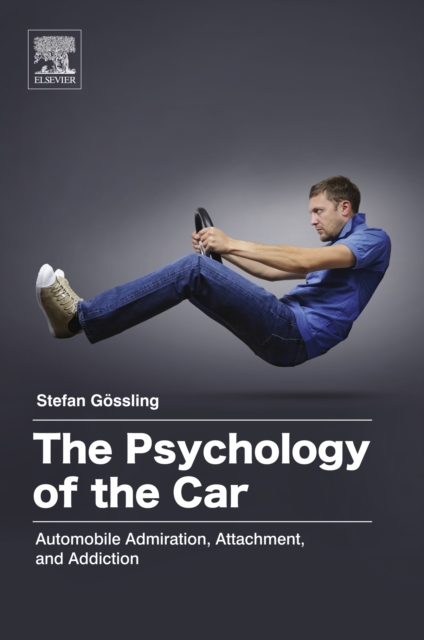
The psychology of the car : automobile admiration, attachment, and addiction
The Psychology of the Car explores automotive cultures through the lens of psychology with the goal of achieving a low-carbon transport future.Worldwide there are now more than one billion cars, and their number grows continuously.
eBook
Six-year positive effects of a mindfulness-based intervention on mindfulness, coping and well-being in medical and psychology students; Results from a randomized controlled trial
Longitudinal research investigating the enduring impact of mindfulness training is scarce. This study investigates the six-year effects of a seven-week mindfulness-based course, by studying intervention effects in the trajectory of dispositional mindfulness and coping skills, and the association between those change trajectories and subjective well-being at six-year follow-up. 288 Norwegian medical and psychology students participated in a randomized controlled trial. 144 received a 15-hour mindfulness course over seven weeks in the second or third semester with booster sessions twice yearly, while the rest continued their normal study curricula. Outcomes were subjective well-being, and dispositional mindfulness and coping assessed using the Five Facet Mindfulness Questionnaire and the Ways of Coping Checklist. Analyses were performed for the intention-to-treat sample, using latent growth curve models. At six-year follow-up, students receiving mindfulness training reported increased well-being. Furthermore, they reported greater increases in the trajectory of dispositional mindfulness and problem-focused coping along with greater decreases in the trajectory of avoidance-focused coping. Increases in problem-focused coping predicted increases in well-being. These effects were found despite relatively low levels of adherence to formal mindfulness practice. The findings demonstrate the viability of mindfulness training in the promotion of well-being and adaptive coping, which could contribute to the quality of care given, and to the resilience and persistence of health care professionals.
Clinicaltrials.gov NCT00892138.
Journal Article
Emotional responses and coping strategies in nurses and nursing students during Covid-19 outbreak: A comparative study
The coronavirus disease (COVID-19) outbreak in December has seen more than 76,000 cases in China, causing more than 3,000 medical staff infections. As the disease is highly contagious, can be fatal in severe cases, and there are no specific medicines, it poses a huge threat to the life and health of nurses, leading to a severe impact on their emotional responses and coping strategies. Therefore, this study will investigate nurses' emotional responses and coping styles, and conduct a comparative study with nursing college students. This study was conducted through the online survey 'questionnaire star' from February 1st to February 20th, 2020 in Anhui Province, using the snowball sampling method to invite subjects. The results found that women showed more severe anxiety and fear than men. Participants from cities exhibited these symptoms more than participants from rural areas, however rural participants experienced more sadness than urban participants. The nearer a COVID-19 zone is to the participants, the stronger the anxiety and anger. The COVID-19 outbreak has placed immense pressure on hospitals and those nurses at the frontline are more seriously affected. Hospitals should focus on providing psychological support to nurses and training in coping strategies.
Journal Article
A compassion-based program to reduce psychological distress in medical students: A pilot randomized clinical trial
Physicians and medical students are subject to higher levels of psychological distress than the general population. These challenges have a negative impact in medical practice, leading to uncompassionate care. This pilot study aims to examine the feasibility of Compassion Cultivation Training (CCT) to reduce psychological distress and improve the well-being of medical students. We hypothesize that the CCT program, as compared to a waitlist control group, will reduce psychological distress (i.e., stress, anxiety, and depression) and burnout symptoms, while improving compassion, empathy, mindfulness, resilience, psychological well-being, and emotion-regulation strategies after the intervention. Furthermore, we hypothesize that these improvements will be maintained at a two-month follow-up.
Medical students were randomly assigned to an 8-week CCT or a Waitlist control group (WL). They completed self-report assessments at pre-intervention, post-intervention, and a 2-month follow-up. The outcomes measured were compassion, empathy, mindfulness, well-being, resilience, emotional regulation, psychological distress, burnout, and COVID-19 concern. Mixed-effects models and Reliable Change Index were computed.
Compared with WL, CCT showed significant improvements in self-compassion, mindfulness, and emotion regulation, as well as a significant decrease in stress, anxiety, and emotional exhaustion component of burnout. Furthermore, some of these effects persisted at follow-up. No adverse effects of meditation practices were found.
CCT enhanced compassion skills while reducing psychological distress in medical students, this being critical to preserving the mental health of physicians while promoting compassionate care for patients. The need for institutions to include this type of training is also discussed.
Journal Article
The roles of experienced and internalized weight stigma in healthcare experiences: Perspectives of adults engaged in weight management across six countries
Considerable evidence from U.S. studies suggests that weight stigma is consequential for patient-provider interactions and healthcare for people with high body weight. Despite international calls for efforts to reduce weight stigma in the medical community, cross-country research is lacking in this field. This study provides the first multinational investigation of associations between weight stigma and healthcare experiences across six Western countries.
Participants were 13,996 adults residing in Australia, Canada, France, Germany, the UK, and the US who were actively enrolled in an internationally available behavioral weight management program. Participants completed identical online surveys in the dominant language for their country that assessed experienced weight stigma, internalized weight bias, and healthcare behaviors and experiences including perceived quality of care, avoidance or delay of seeking care, experiences with providers, and perceived weight stigma from doctors.
Among participants who reported a history of weight stigma (56-61%), two-thirds of participants in each country reported experiencing weight stigma from doctors. Across all six countries, after accounting for demographics, BMI, and experienced stigma, participants with higher internalized weight bias reported greater healthcare avoidance, increased perceived judgment from doctors due to body weight, lower frequency of obtaining routine checkups, less frequent listening and respect from providers, and lower quality of healthcare. Additionally, experienced weight stigma (from any source) was indirectly associated with poorer healthcare experiences through weight bias internalization, consistently across the six countries.
Weight stigma in healthcare is prevalent among adults actively engaged in weight management across different Western countries, and internalized weight bias has negative implications for healthcare even after controlling for BMI. The similar findings across all six countries underscore the negative consequences of weight stigma on healthcare behaviors and experiences, and emphasize the need for collective international efforts to address this problem.
Journal Article