
Catalogue Search | MBRL


Are you sure you want to remove the book from the shelf?

{{itemTitle}}
24
result(s) for
"Medieval Studies 2020"
Sort by:

Visions and ruins
This book is a study of cultural memory in and of the British Middle Ages. It works with material drawn from across the medieval period – in Old English, Middle English and Latin, as well as material and visual culture – and explores modern translations, reworkings and appropriations of these texts to examine how images of the past have been created, adapted and shared. It interrogates how cultural memory formed, and was formed by, social identities in the Middle Ages and how ideas about the past intersected with ideas about the present and future. It also examines how the presence of the Middle Ages has been felt, understood and perpetuated in modernity and the cultural possibilities and transformations this has generated. The Middle Ages encountered in this book is a site of cultural potential, a means of imagining the future as well as imaging the past.The scope of this book is defined by the duration of cultural forms rather than traditional habits of historical periodization and it seeks to reveal connections across time, place and media to explore the temporal complexities of cultural production and subject formation. It reveals a transtemporal and transnational archive of the modern Middle Ages.
eBook

Greenery
Humankind has always been fascinated by the world in which it finds itself, and puzzled by its relations to it. Today that fascination is often expressed in what is now called ‘green’ terms, reflecting concerns about the non-human natural world, puzzlement about how we relate to it, and anxiety about what we, as humans, are doing to it. So-called green or eco-criticism acknowledges this concern. This book reaches back and offers new readings of English texts, both known and unfamiliar, informed by eco-criticism. After considering general issues pertaining to green criticism, it moves on to a series of individual chapters arranged by theme (earth, trees, wilds, sea, gardens and fields) that provide individual close readings of selections from such familiar texts as Malory's Morte D'Arthur, Chaucer's Knight's and Franklin's Tales, Sir Gawain and the Green Knight and Langland's Piers Plowman. These discussions are contextualized by considering them alongside hitherto marginalized texts such as lyrics, Patience and the romance Sir Orfeo. The result is a study that reinvigorates our customary reading of late Middle English literary texts while also allowing us to reflect upon the vibrant new school of eco-criticism itself.
eBook

Anglo-Jewry since 1066
This book is a study of the history and memory of Anglo-Jewry from medieval times to the present and explores the construction of identities, both Jewish and non-Jewish, in relation to the concept of place. The introductory chapters provide a theoretical overview focusing on the nature of local studies. The book then moves into a chronological frame, starting with medieval Winchester, moving to early modern Portsmouth, and then it covers the evolution of Anglo-Jewry from emancipation to the twentieth century. Emphasis is placed on the impact on identities resulting from the complex relationship between migration (including transmigration) and the settlement of minority groups. Drawing upon a range of approaches, including history, cultural and literary studies, geography, Jewish and ethnic and racial studies, the book uses extensive sources including novels, poems, art, travel literature, autobiographical writing, official documentation, newspapers and census data.
eBook

The politics of Middle English parables
The politics of Middle English parables examines the dynamic intersection of fiction, theology, and social practice in translated Gospel stories. Parables occupy a prominent place in Middle English literature, appearing in dream visions and story collections as well as in lives of Christ and devotional treatises. While most scholarship approaches these scriptural stories as stable vehicles of Christian teachings, this book characterises Gospel parables as ambiguous, riddling stories that invited audience interpretation and inspired the construction of new, culturally inflected narratives. In parables related to labour, social inequality, charity, and penance, the book locates a creative theological discourse through which writers reconstructed scriptural stories and, in doing so, attempted to shape Christian belief and practice. Analysis of these diverse retellings reveals not what a given parable meant in a definitive sense but rather how Middle English parables inscribe the ideologies, power structures, and cultural debates of late medieval Christianity.
eBook
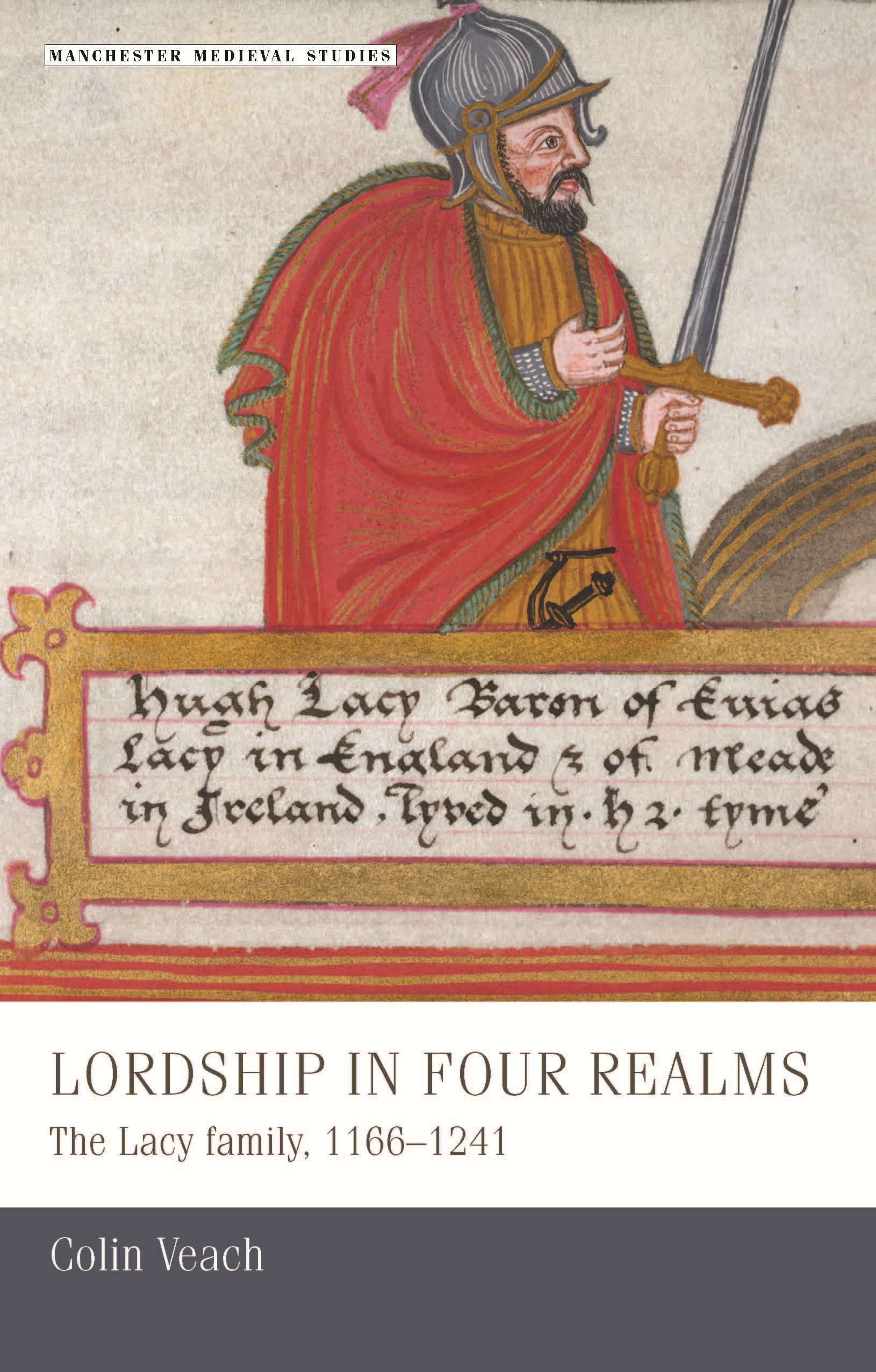
Lordship in four realms
This book examines the rise and fall of the aristocratic Lacy family in England, Ireland, Wales and Normandy. This involves a unique analysis of medieval lordship in action, as well as a re-imagining of the role of English kingship in the western British Isles and a rewriting of seventy-five years of Anglo-Irish history. By viewing the political landscape of Britain and Ireland from the perspective of one aristocratic family, this book produces one of the first truly transnational studies of individual medieval aristocrats. This results in an in-depth investigation of aristocratic and English royal power over five reigns, including during the tumultuous period of King John and Magna Carta. By investigating how the Lacys sought to rule their lands in four distinct realms, this book also makes a major contribution to current debates on lordship and the foundations of medieval European society.
eBook

Approaching the Bible in medieval England
How did people learn their Bibles in the Middle Ages? Did church murals, biblical manuscripts, sermons or liturgical processions transmit the Bible in the same way? This book unveils the dynamics of biblical knowledge and dissemination in thirteenth- and fourteenth-century England. An extensive and interdisciplinary survey of biblical manuscripts and visual images, sermons and chants, reveals how the unique qualities of each medium became part of the way the Bible was known and recalled; how oral, textual, performative and visual means of transmission joined to present a surprisingly complex biblical worldview. This study of liturgy and preaching, manuscript culture and talismanic use introduces the concept of biblical mediation, a new way to explore Scriptures and society. It challenges the lay-clerical divide by demonstrating that biblical exegesis was presented to the laity in non-textual means, while the ‘naked text’ of the Bible remained elusive even for the educated clergy.
eBook
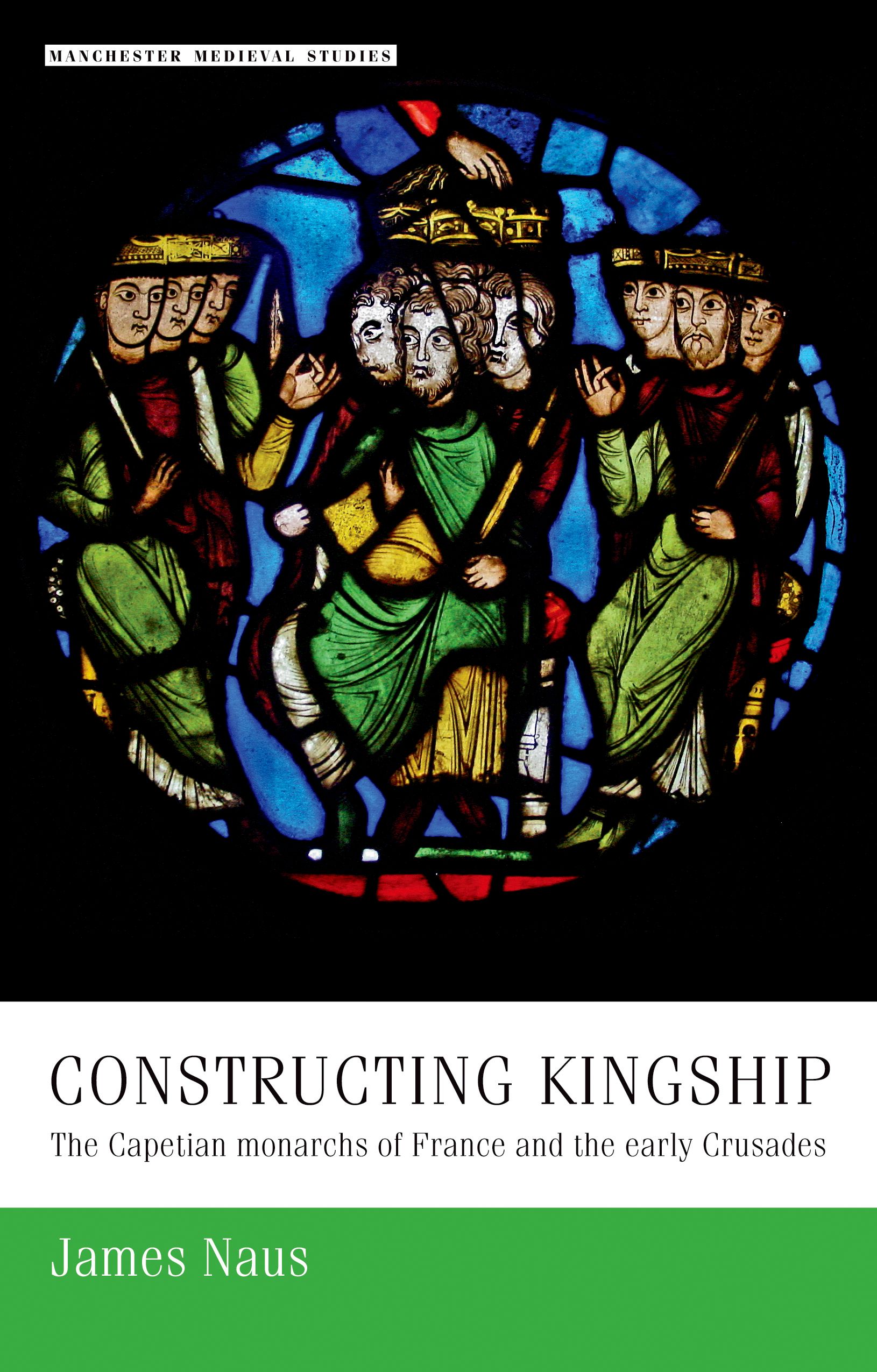
Constructing kingship
Crusading kings such as Louis IX of France and Richard I of England exert a unique hold on our historical imagination. For this reason, it can be easy to forget that European rulers were not always eager participants in holy war. The First Crusade was launched in 1095, and yet the first monarch did not join the movement until 1146, when the French king Louis VII took the cross to lead the Second Crusade. One contemporary went so far as to compare the crusades to 'Creation and man's redemption on the cross', so what impact did fifty years of non-participation have on the image and practice of European kingship and the parameters of cultural development? This book considers this question by examining the challenge to political authority that confronted the French kings and their family members as a direct result of their failure to join the early crusades, and their less-than-impressive involvement in later ones.
eBook

The church as sacred space in Middle English literature and culture
This book presents an exciting new approach to the medieval church by examining the role of literary texts, visual decorations, ritual performance and lived experience in the production of sanctity. The meaning of the church was intensely debated in the fourteenth and fifteenth centuries. This book explores what was at stake not only for the church’s sanctity but for the identity of the parish community as a result. Focusing on pastoral material used to teach the laity, it shows how the church’s status as a sacred space at the heart of the congregation was dangerously – but profitably – dependent on lay practice. The sacred and profane were inextricably linked and, paradoxically, the church is shown to thrive on the sacrilegious challenge of lay misbehaviour and sin.
eBook
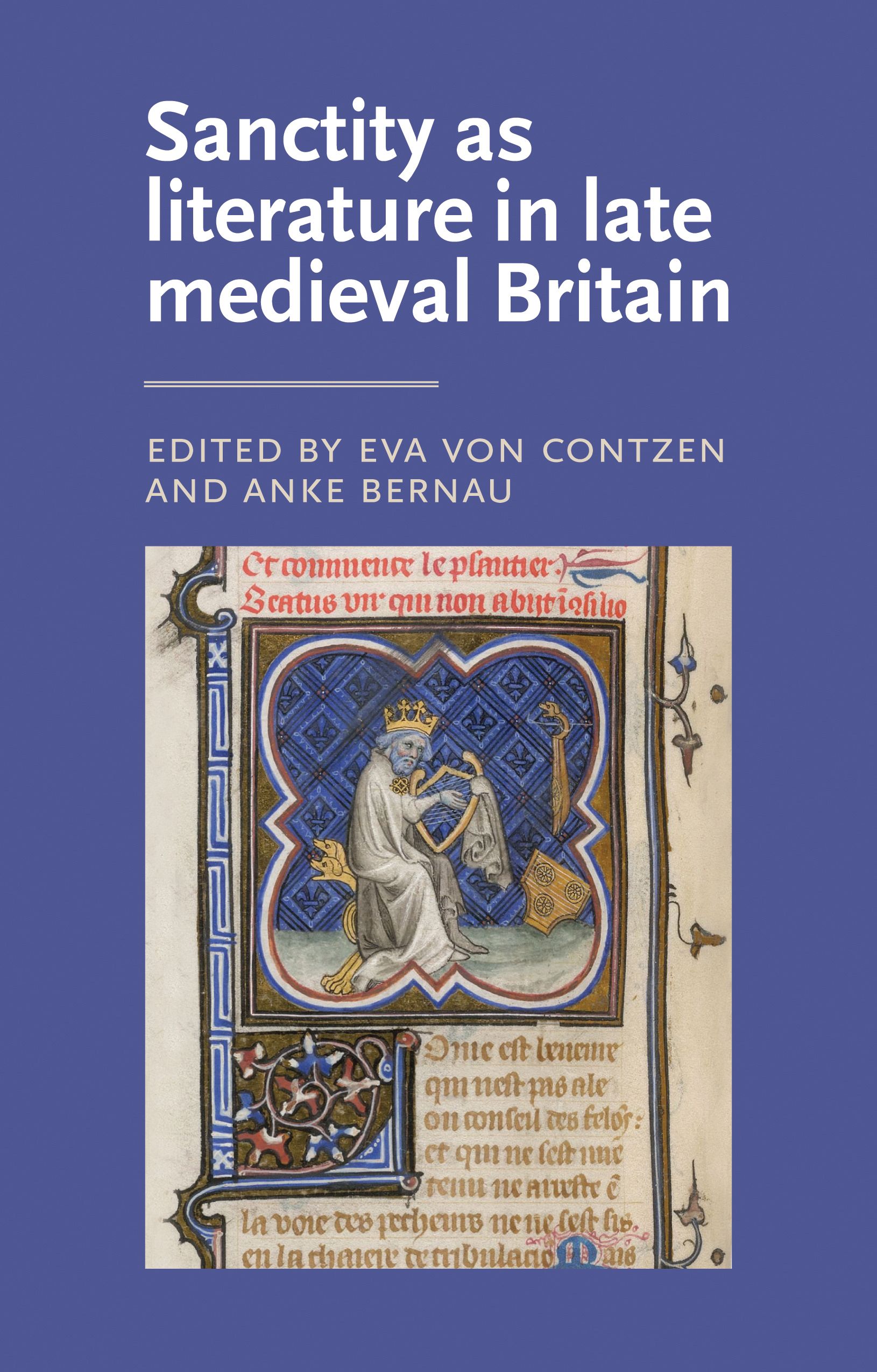
Sanctity as literature in late medieval Britain
This collection explores some of the many ways in which sanctity was closely intertwined with the development of literary strategies across a range of writings in late medieval Britain. Rather than looking for clues in religious practices in order to explain such changes, or reading literature for information about sanctity, these essays consider the ways in which sanctity - as concept and as theme - allowed writers to articulate and to develop further their 'craft' in specific ways. While scholars in recent years have turned once more to questions of literary form and technique, the kinds of writings considered in this collection - writings that were immensely popular in their own time - have not attracted the same amount of attention as more secular forms. The collection as a whole offers new insights for scholars interested in form, style, poetics, literary history and aesthetics, by considering sanctity first and foremost as literature
eBook
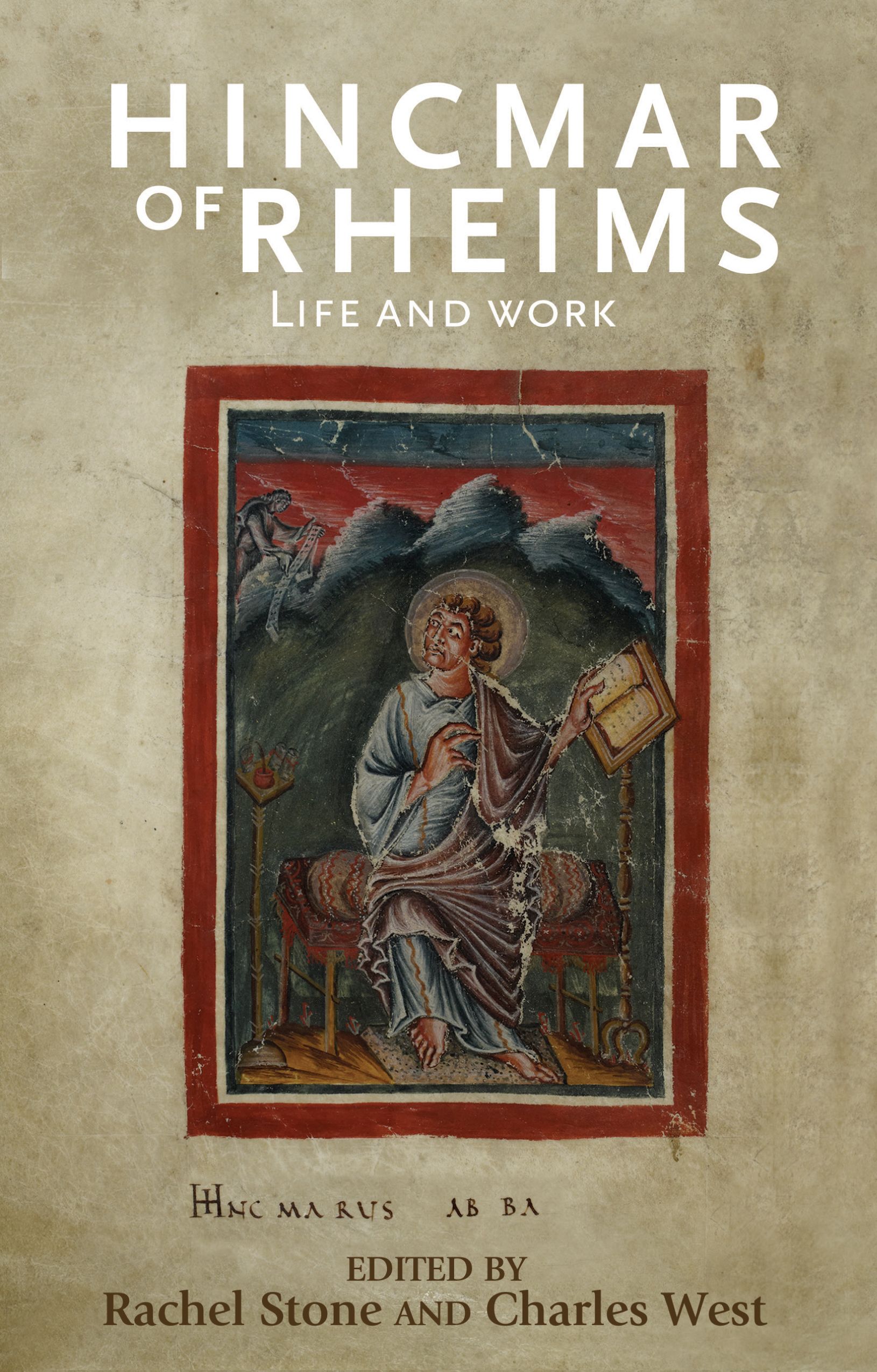
Hincmar of Rheims
Archbishop Hincmar of Rheims (d. 882) is a crucial figure for all those interested in early medieval European history in general, and Carolingian history in particular. For forty years he was an advisor to kings and religious controversialist; his works are a key source for the political, religious and social history of the later ninth century, covering topics from papal politics to the abduction of women and the role of parish priests. For the first time since Jean Devisse’s biography of Hincmar in the 1970s, this book offers a three-dimensional examination of a figure whose actions and writings in different fields are often studied in isolation. It brings together the latest international research across the spectrum of his varied activities, as history-writer, estate administrator, hagiographer, canonist, pastorally engaged bishop, and politically minded royal advisor. The introduction also provides the first substantial English-language survey of Hincmar’s whole career.
eBook